The Paint is a Distraction: What Suzuka's New Liveries Really Tell Us About F1's Data-Driven Identity Crisis

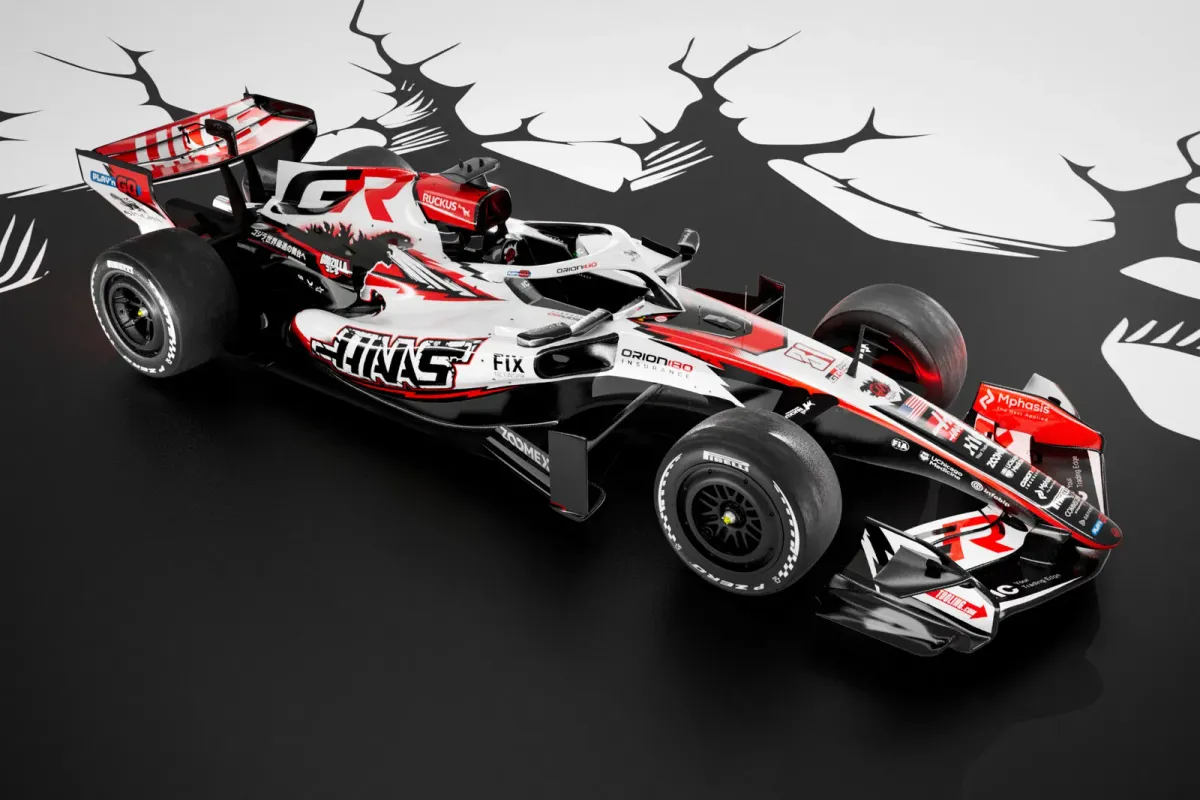
I was staring at the timing sheets from Bahrain testing when the press releases hit. Two new liveries. A Godzilla, a splash of red. The media feeds lit up with the curated glamour of it all. My screen, meanwhile, was a cascade of numbers: telemetry traces, delta times, the cold, relentless heartbeat of performance. The contrast was violent. Here we are, celebrating cosmetic skins for the 2026 Japanese Grand Prix, while the sport's soul is being systematically rewritten into binary code. The story isn't the paint. It's the paradox. We're manufacturing nostalgia with one-off designs while engineering out the very human unpredictability that made us nostalgic in the first place.
The Livery as Data Point: Marketing Algorithms Over Mechanical Feel
Let's be clear. These aren't artistic statements. They are highly optimized marketing data points, calculated for maximum engagement ROI. Haas's partnership with Toho Co. and the Racing Bulls 'spring edition' are not about celebrating culture. They are about monetizing attention spans in a specific geographic and demographic quadrant. The launch events in Tokyo? Pre-scripted data-gathering exercises.
Haas's Calculated Kaiju
The American team calls it their "first-ever collaboration with an entertainment IP." I call it a survival algorithm. Haas, perennially scrapping in the lower midfield, has identified a variable: brand affinity through iconic local IP. The Godzilla livery, revealed by Esteban Ocon and Ollie Bearman on March 24, is a direct input. The desired output? Media value surpassing their typical on-track finish. It's smart. It's also sterile. The car's performance envelope at Suzuka will be dictated not by a monster's spirit, but by aero maps and tire deg models so precise they leave no room for a driver's feel to rebel.
Racing Bulls and the Illusion of Home
The Racing Bulls livery, shown first at the Red Bull Tokyo Drift event on March 21, swaps its usual blue for a "prominent red color scheme." A "home race" gesture for its Honda ties? Perhaps. But look at the personnel: Liam Lawson, Arvid Lindblad, reserve driver Yuki Tsunoda. It's a brand synergy play, a visual signal in a weekend where their actual race strategy will be dictated from a remote operations center, cross-referencing thousands of data points. The red isn't passion. It's a palette-swap in the UI of F1.
"Special liveries are powerful marketing tools," the original article states. It's the only line that doesn't need a skeptic's filter. It's the raw, unfiltered truth. The show is the product. The rest is just logging the session.
This is where my skin crawls. We're applauding the wrapping paper while the gift inside—the visceral, intuitive, flawed, and glorious act of racing—is being replaced by a subscription service. Charles Leclerc's 2022-2023 qualifying data proves he is a metronome of raw pace, a machine of consistency. Yet his narrative is "error-prone." Why? Because when the team's algorithmic strategy fails, the human at the wheel is the only variable left to blame. We punish driver intuition while celebrating corporate paint jobs.
Suzuka Will Reveal the Sterility Beneath the Sparkle
Suzuka is a sacred circuit. It's a figure-eight of consequence, a place where driver feel used to be the ultimate currency. Senna knew it. Schumacher mastered it. In 2004, Schumi's dominance at Ferrari wasn't just about a great car. It was about a pre-telemetry symbiosis. He and Ross Brawn operated on a language of feel and experience, a shared intuition that data informed but did not dictate. They used numbers as a compass, not an autopilot.
What will we see this weekend? The Godzilla and the red car will look stunning under the lights. But watch the timing towers.
- The pit windows will be called not by a strategist's gut, but by a central algorithm predicting a safety car probability to the tenth of a percent.
- Driver radio will be a stream of delta targets and engine mode commands, suppressing any instinct to push outside the prescribed performance band.
- The "memorable, collectible moments" will be the liveries themselves, photographed and commodified, while the race unfolds with a predictable, data-optimized rhythm.
This is the robotized racing I see coming within five years. The 2026 season's "first special designs" are a harbinger. We're investing in superficial uniqueness to distract from engineered homogeneity. The partnership between Haas and Toho "extends beyond this race," promising more "collaborative activations." More inputs. More outputs. Meanwhile, what of the driver's activation? The moment a driver ignores a fuel target to chase a gut feeling, to create a moment of real history, will be logged as a "deviation from optimum strategy" and penalized by the architecture of the sport itself.
Conclusion: The Heartbeat Beneath the Paint
So yes, mark the debut of these liveries during the Japanese Grand Prix weekend at Suzuka. Note the fan reception. But do not mistake it for the sport's health. The real story is in the data traces that will emerge from that circuit. The story is whether any driver, in any car, can leave a fingerprint on the race that isn't pre-approved by the simulation.
I'll be looking for the anomaly. The lap time that doesn't fit the model. The strategy call that defies the odds. That's where the soul of racing still flickers. The liveries are a beautiful, loud, and ultimately empty shell. My job is to listen past the noise, to the fading heartbeat underneath. The numbers will tell that story, too. They always do. They'll show us exactly how much feel we've sacrificed for flawless, predictable, and beautiful paint.