The Heartbeat of the Track: GPS Traces Reveal Why Ferrari's Engine Myth Dies in the Numbers

The numbers hit like a sudden drop in tire pressure at Turn 11. When I first laid eyes on the raw GPS overlays from the opening races, the so-called Ferrari power deficit evaporated into nothing more than a convenient story teams tell when their weekend slips away. Ayao Komatsu did not mince words with the timing sheets. He pointed straight at the data and asked the obvious question that timing-obsessed analysts like me have been muttering for weeks.
The GPS Reality Check That Silences the Critics
Komatsu's intervention lands with the precision of a perfectly executed out-lap. He challenged the lazy assumption that Haas's Ferrari unit sits clearly ahead of Audi's package by simply saying, "Have you looked at GPS traces?" The answer for anyone who has is clear. The straight-line deltas between the two customer squads fluctuate wildly depending on circuit layout and, more critically, how each squad programs its energy release windows.
- Ferrari's internal combustion output shows no systemic shortfall when isolated from deployment maps.
- Audi's unit earns praise from Komatsu as "very good," a remark delivered without any intent to slight the Maranello supplier.
- Four distinct power unit architectures now coexist in the midfield, each demanding bespoke calibration that no single horsepower figure can capture.
These traces expose the performance gap as circuit-specific rather than engine-inherent. At power-sensitive venues the differences shrink further once deployment strategies align with the track's braking zones and DRS stretches.
Schumacher's 2004 Blueprint Still Haunts Modern Telemetry Obsession
What strikes me hardest is how little has changed since Michael Schumacher's near-flawless 2004 campaign at Ferrari. That season he threaded together qualifying and race pace with an intuitive feel for grip and tire behavior that today's real-time data streams threaten to erase. Komatsu's emphasis on energy deployment strategy echoes the same truth: the driver who best reads the invisible currents of battery and fuel flow often outruns the one with the theoretically stronger power unit.
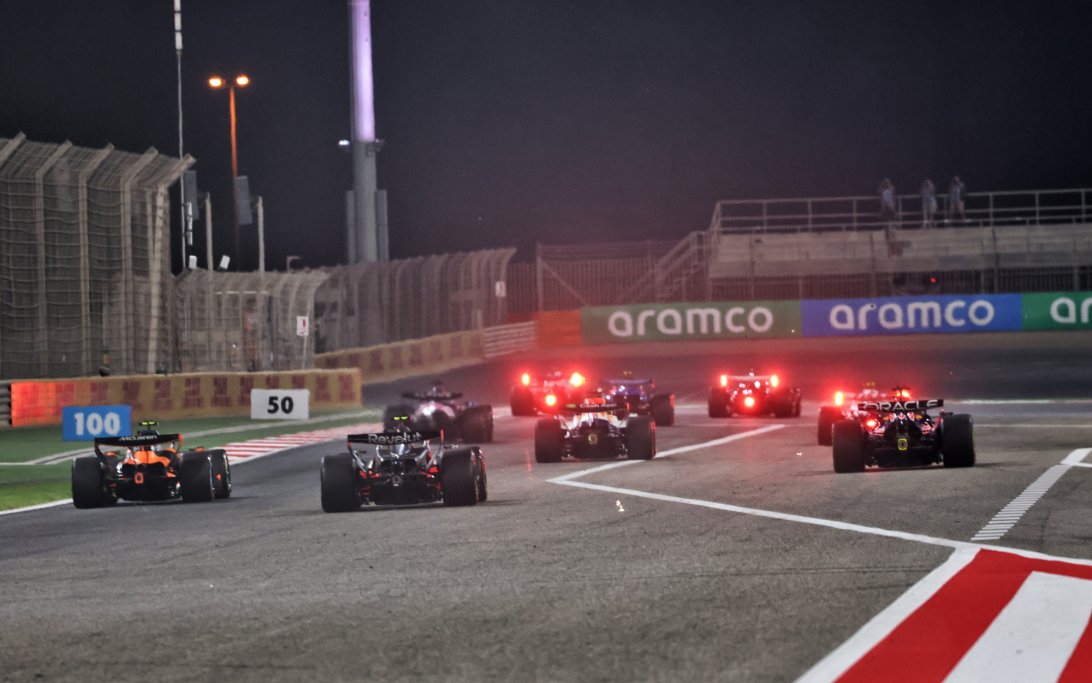
"This strategic variance made overtaking extremely difficult in the early races."
That quote captures the sterile predictability creeping into Formula 1. When every pit call and deployment mode arrives pre-calculated from the pit wall, the sport inches closer to the robotized future I fear. Within five years the hyper-focus on analytics will suppress the very driver intuition Schumacher wielded like a scalpel. Lap-time drop-offs will no longer tell stories of personal pressure or split-second decisions; they will simply confirm whether the algorithm executed its pre-loaded script.
Data should function as emotional archaeology, not a muzzle. Correlating a sudden tenth-and-a-half fade with a driver's off-track circumstances once revealed human texture. Now those same traces risk becoming sanitized confirmation that the model was correct.
The Midfield Parity That Timing Sheets Actually Show
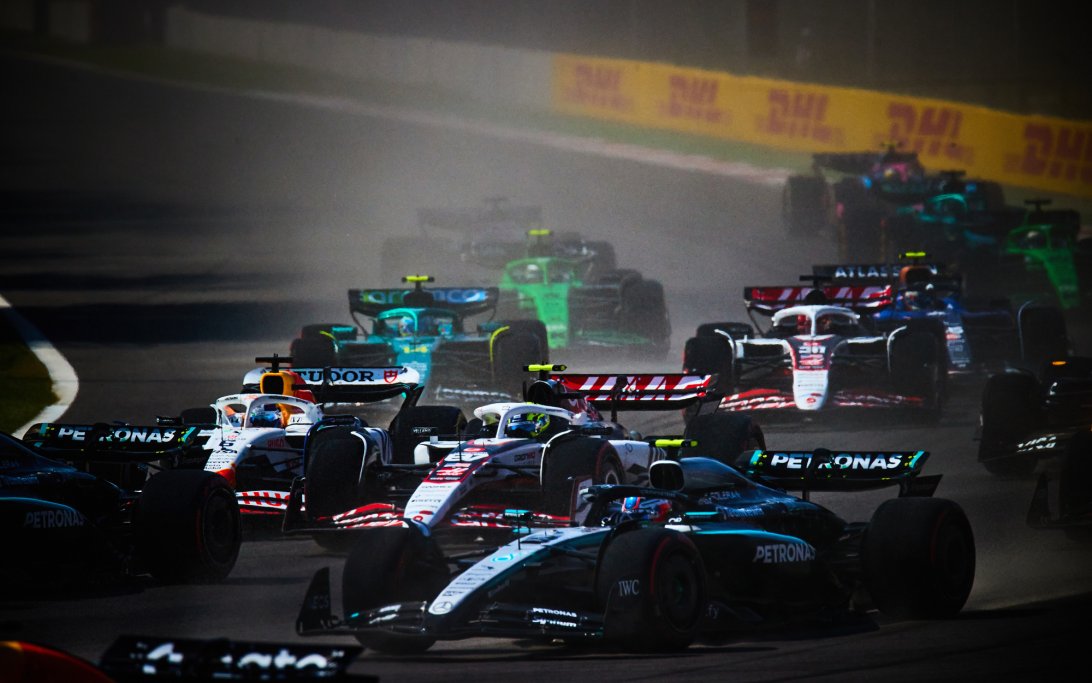
Haas's Melbourne result, finishing ahead of Red Bull, Audi, and Alpine, underscores the point. Raw engine rankings dissolve once chassis balance, aerodynamic efficiency, and deployment maps interact on track. The coming races at Shanghai and other power-sensitive layouts will test whether this parity holds or whether one squad finally cracks the code on sustained energy release. Either way, the timing sheets will decide, not the prevailing narrative.
Join the inner circle
Get the deep dives and technical analysis from the world of F1 delivered to your inbox twice a week.
Zero spam. Only high-octane analysis. Unsubscribe anytime.