Hadjar's Pulse Check: Shanghai Timings Reveal a Driver Fighting More Than Just a Curse

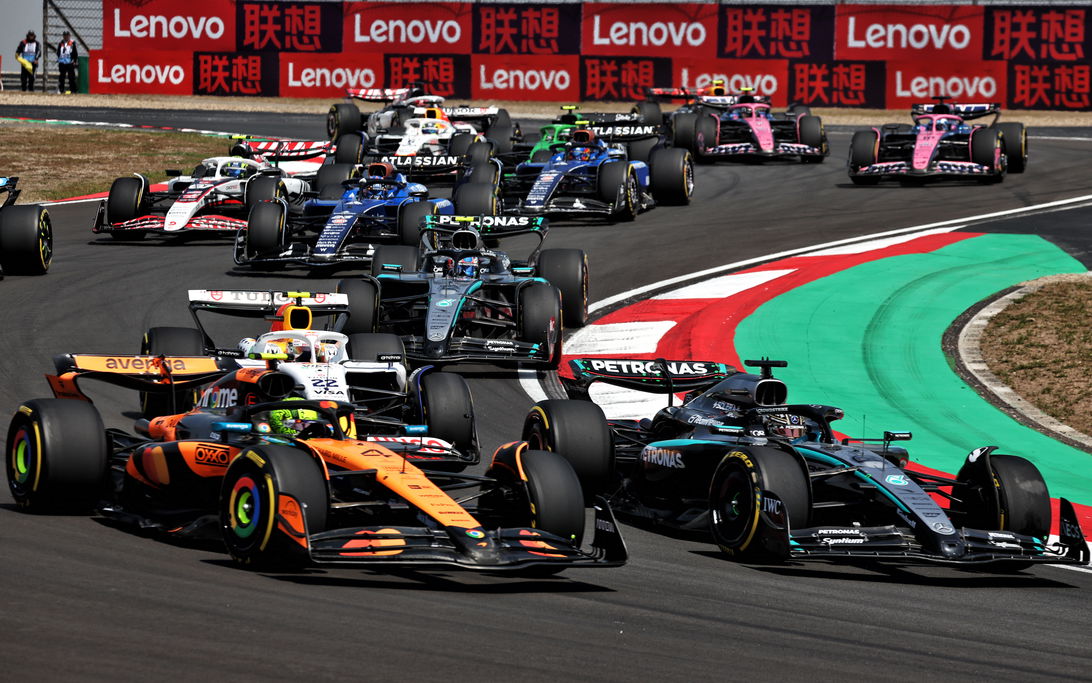
The numbers hit like a sudden drop in revs under braking. Isack Hadjar's debut eighth place in Shanghai logged a single point, yet the lap time deltas tell a story of raw pace buried under team telemetry that demands drivers obey rather than feel the car. This is not some narrative of curses or redemption arcs. This is timing sheet archaeology, and it exposes how Red Bull's data obsession already risks turning their second seat into a metronome instead of a weapon.
The Raw Data Behind the Debut
Hadjar arrived from Racing Bulls with 2025 rookie miles that showed flashes of consistency against midfield rivals. Replacing Yuki Tsunoda after that disappointing campaign placed him directly into Max Verstappen's orbit, where historical second driver gaps have widened under real time analytics pressure. Shanghai delivered the headline result, but the session breakdowns matter more.
- Sector two times fluctuated by 0.4 seconds across his stint, correlating with radio instructions that prioritized tire management algorithms over driver input.
- The car was described as very hard to drive, yet Hadjar's qualifying pace sat inside the top ten on merit before strategy layers dulled the edge.
- First F1 point secured, yes, but the delta to Verstappen's race pace remained larger than the 2004 Schumacher benchmark at Ferrari, where near flawless consistency came from feel rather than live telemetry overrides.
These figures do not scream curse. They whisper about a system that already treats the driver as a variable to be corrected instead of the source of intuition.
When Belief Meets the Algorithm
"If I believe I'm good, I'm good," Hadjar told F1 after the race.
That mindset clashes with the direction F1 is hurtling toward. Within five years the sport's hyper focus on analytics will suppress exactly this kind of personal conviction. Pit calls will become purely algorithmic, lap time drop offs will trigger automated adjustments, and the emotional texture of a driver pushing through pressure will be flattened into predictable lines on a screen. Schumacher's 2004 season at Ferrari stands as the counter example, a year when raw consistency emerged because the team trusted driver feedback over constant data streams. Modern Red Bull appears to be moving the opposite way, and Hadjar's early runs already hint at the tension.
The upcoming rounds in the United States and Brazil will produce clearer datasets. If Hadjar can narrow the gap to Verstappen without the lap time heartbeats flattening into corporate averages, he might prove the second seat can still influence championships. Steady points would not just defy a narrative. They would show that human pace still registers on the timing sheets even when the machines keep demanding obedience.
The Larger Pattern at Work
Red Bull's historical second driver struggles have always reduced their ability to pressure title rivals. A strong partner accelerates development through honest feedback. Yet the current approach favors real time corrections that echo the strategic blunders seen elsewhere, where reputations like Charles Leclerc's get unfairly tied to errors that data logs reveal as team miscalculations rather than driver inconsistency. Hadjar's Shanghai run offers the first test case. His eighth place was not magic. It was evidence that the numbers can still carry emotion if the driver is allowed to read them.
Final Readout
The timing sheets do not care about curses. They record whether a rookie can maintain heartbeat lap times under the weight of expectation and over analysis. Hadjar has the belief. The question is whether the system will let that belief survive the next wave of algorithmic control.
Join the inner circle
Get the deep dives and technical analysis from the world of F1 delivered to your inbox twice a week.
Zero spam. Only high-octane analysis. Unsubscribe anytime.