Barcelona Shakedown Hints at Why Raw Mechanical Grip Will Outlast Aero Complexity
The first day of 2026 pre season testing in Barcelona felt less like a celebration of new machinery and more like a quiet reminder that elegant mechanical solutions still cut through the storm of aerodynamic promises. Isack Hadjar posted the quickest unofficial lap at 1m 18.159s, half a second clear of George Russell, while Sergio Perez took his initial laps in the Cadillac. These moments matter because they expose how teams continue to chase downforce at the expense of the direct driver connection that once defined great cars.
Chassis Over Driver Myth in the Red Bull Lineup
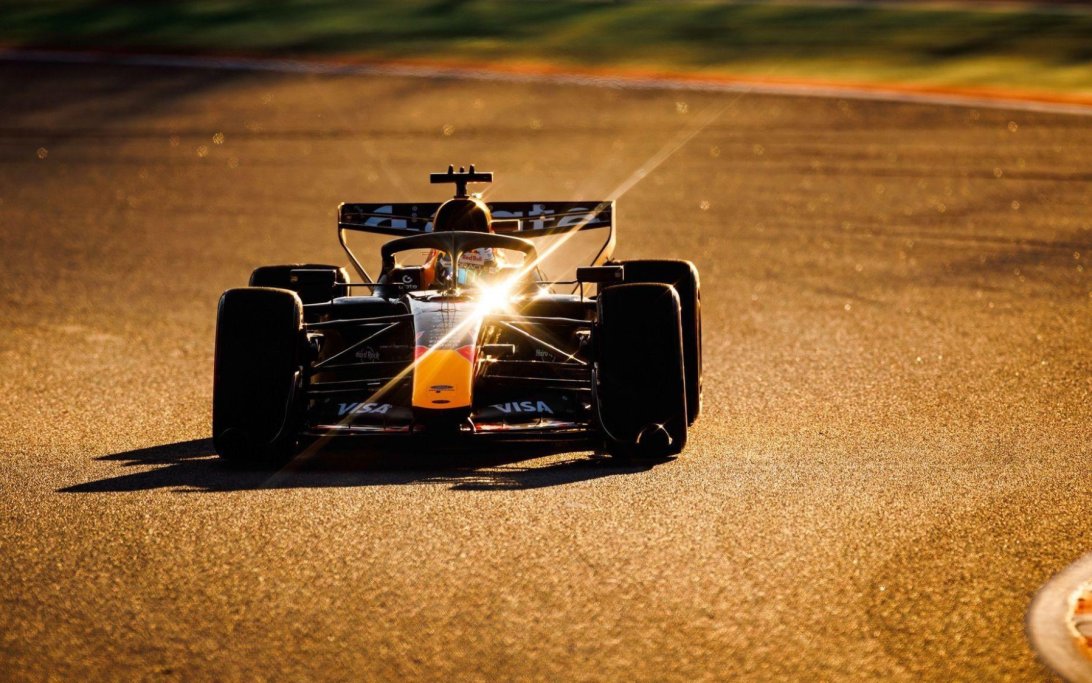
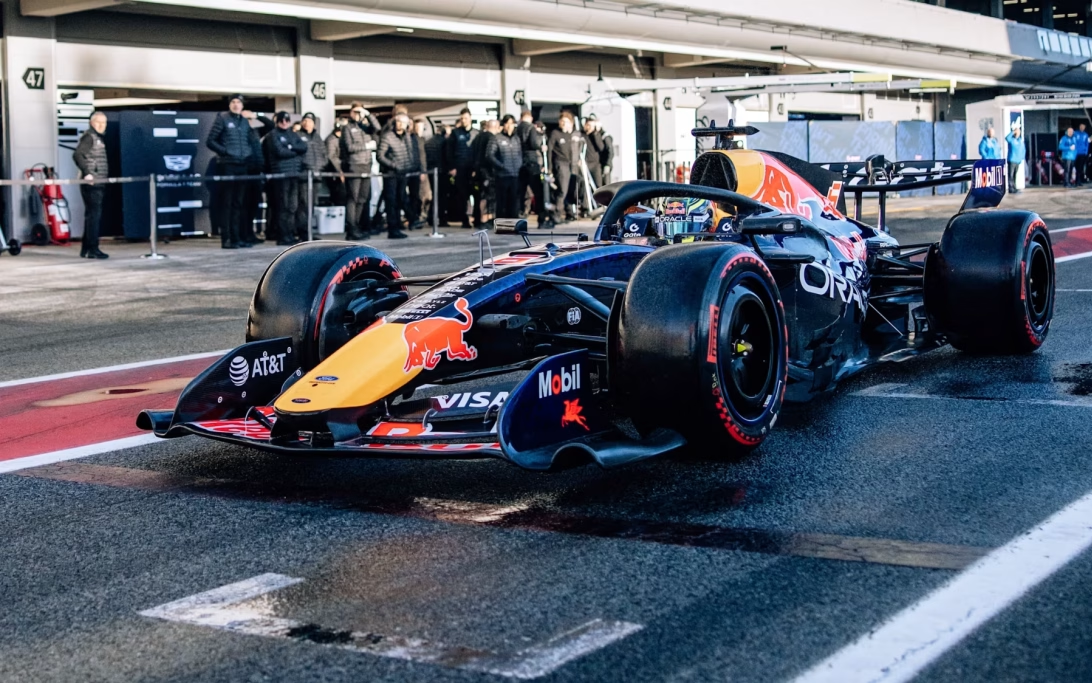
Hadjar's pace arrived amid tight security and disabled live timing, yet the gap to Russell stood out clearly. Red Bull's new recruit benefited from a platform whose chassis balance and aerodynamic integration already reward consistent inputs rather than heroic corrections. This pattern echoes the 1990s Williams FW14B, a car whose active suspension and mechanical harmony let drivers feel the limit without layers of electronic interference. Today's machines bury that feedback under wings and floors that only perform inside narrow windows.
- Hadjar's time placed him alone in the 1m18s bracket.
- Russell followed as the sole other driver near that mark.
- Franco Colapinto slotted third for Alpine, ahead of Mercedes rookie Kimi Antonelli.
The obsession with ever higher downforce numbers ignores how tire management and mechanical grip create genuine racing drama. When a car slides predictably at the limit, drivers can attack. When it simply loses grip in a sudden aerodynamic stall, the spectacle collapses into processional laps.
Cadillac's First Steps and the Coming Aero Storm
Perez joined Valtteri Bottas on track for Cadillac's debut, a milestone for the American team. Early mileage tells its own story: Esteban Ocon, now at Haas, reportedly completed around 150 laps, topping the charts ahead of Mercedes. These runs validate simulation data under the new regulations, yet they also highlight the fragility of pure aero dependence.
Current designs trade the raw mechanical dialogue of the FW14B era for ever more intricate aerodynamic maps that demand constant adjustment.
Within five years the sport will move toward AI controlled active aerodynamics that eliminate DRS entirely. Races will grow more chaotic as flow structures shift in real time, yet driver skill will matter less because the car itself will manage stability. The Barcelona shakedown already hints at this future, where reliability and mileage matter more than single lap heroics.
Tire Feel and the Human Element Still Missing
Modern F1 teams measure success in downforce coefficients while undervaluing how suspension compliance and tire temperature windows connect driver to track. The FW14B succeeded because its mechanical systems responded intuitively to inputs, allowing drivers to exploit grip without fighting electronic overlays. Today's cars, by contrast, generate immense cornering forces that mask the gradual loss of traction until it arrives all at once.
Hadjar's afternoon session offered the first data point of the 2026 regulations era. Whether that advantage stems from superior chassis architecture or simply better simulation correlation remains to be seen. What is clear is that chasing ever more complex aero solutions risks repeating the same mistake: building cars that look spectacular in wind tunnels yet deliver less engaging racing on track.
Testing resumes Tuesday morning at 09:00 local time. Teams will continue to accumulate laps and refine setups, but the deeper question lingers. Will the next generation of regulations restore the mechanical simplicity that once made drivers feel like pilots rather than system monitors?
Join the inner circle
Get the deep dives and technical analysis from the world of F1 delivered to your inbox twice a week.
Zero spam. Only high-octane analysis. Unsubscribe anytime.