The Silence Before the Impact: When F1's Drivers Become Spectators in Their Own Survival
The most dangerous sound in Formula 1 is not the shriek of a V6 turbo at 12,000 RPM, nor the sickening crunch of carbon fiber against Tecpro. It is the sound of a driver’s voice, laced with the cold, clear certainty of powerlessness. When Lewis Hamilton speaks, he crafts a narrative as meticulously as he crafts a racing line. His words are never accidental. So, when he states, with the resigned finality of a man reading his own verdict, that drivers have "no power," we must listen not to the complaint, but to the profound psychological surrender it signifies. This is not a sporting dispute. It is the moment the gladiators realized they are no longer consulted about the design of the arena, even as the lions are let loose.
The catalyst was a number: 50G. The name: Oliver Bearman. At Suzuka, a circuit that demands respect and metes out punishment in equal measure, a massive speed differential—a delta of over 50 km/h—turned a race into a physics experiment with a human subject. Bearman, with a temporary battery energy advantage, closed on a slower car at a rate that made the collision not a matter of if, but when. The impact was a data point. The aftermath is a crisis of faith.
The Illusion of Agency and the Weight of the Helmet
Drivers live in a world of supreme control. Millisecond throttle inputs, nanometer steering adjustments, the brutal management of their own cardiovascular systems under 5G of lateral force. This illusion of agency is their psychological armor. The 2026 regulations, with their "adjustable parameters" for energy management, have systematically stripped that away, replacing skill with strategic gambling on battery cycles.
The Calculated Persona vs. The Raw Nerve
Hamilton’s skepticism about the April 9th FIA review is a masterclass in controlled disillusionment. He predicts "a lot of chefs in the kitchen" with no good result. This is the voice of experience, not anger. Compare this to the raw, volcanic outbursts of a young Max Verstappen, outbursts that were systematically sanded down by Red Bull’s covert psychological machinery to forge a "manufactured" champion of icy efficiency. Hamilton, in his later career, mirrors Niki Lauda’s post-crash resilience: using public platforms to craft a narrative of the wise elder, the traumatized survivor who sees danger where others see spectacle. His powerlessness plea is, paradoxically, a power move—an attempt to shame the authorities by exposing the charade.
"The drivers don’t have a say. They don’t have any power. We are not on the committee; we have no voting rights."
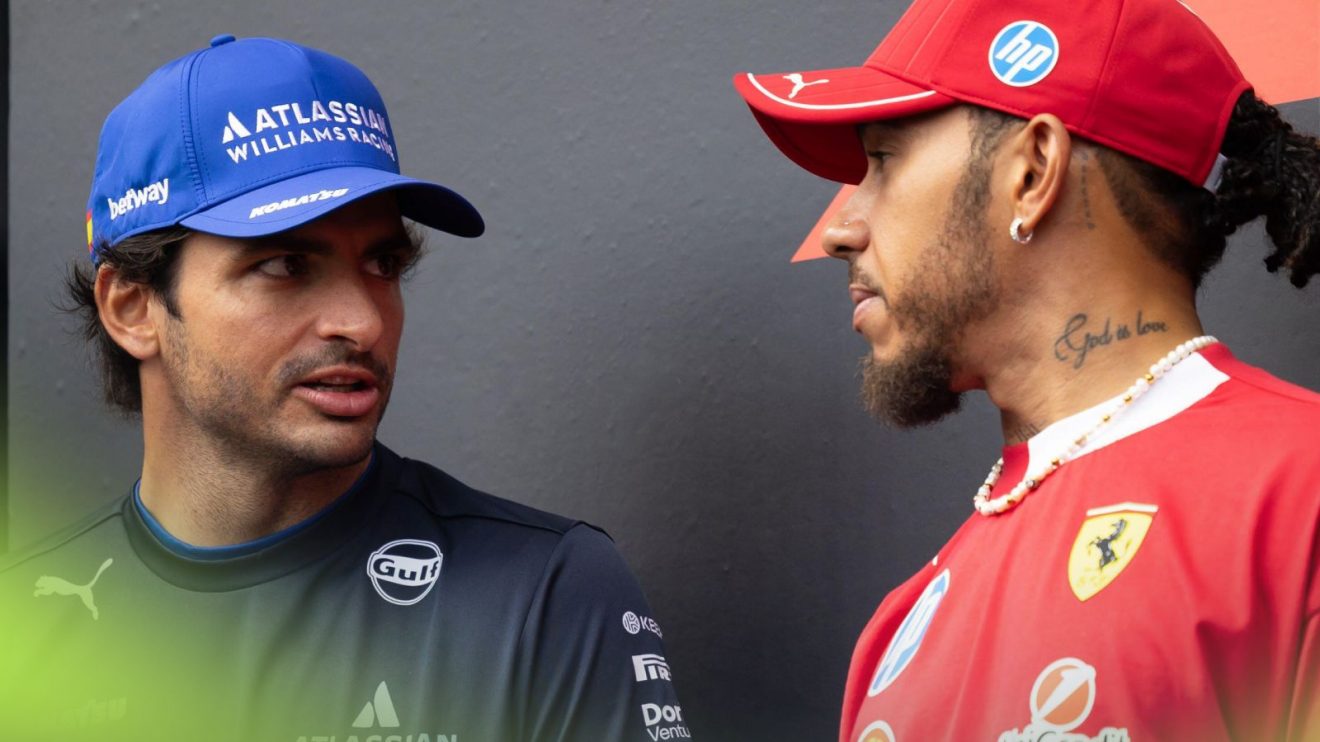
This quote isn't just a complaint. It's a diagnosis. The committee room, where teams and broadcasters barter over "the show," is where the driver’s expertise—their intimate knowledge of the trembling brake pedal, the blind spot in a rearview mirror, the gut-feeling of an unstable car—is converted into abstract policy. Carlos Sainz cut to the heart of it: teams might think "the racing is OK" for TV. But drivers know that 50 km/h deltas mean "that’s actually not racing." It’s Russian roulette.
The Biometric Truth Behind the "Artificial" Race
The drivers call it "artificial." This is a polite term for a profound psychological disconnect. Let’s translate it into the language of the body:
- Excessive lift-and-coast in qualifying: This isn’t saving fuel; it’s a forced ritual of self-sabotage. The driver’s core instinct—to push always—is overridden by a spreadsheet. The heart rate doesn’t spike from adrenaline, but from frustration.
- "Fake overtakes" from battery boosts: The fleeting surge of power creates a hollow victory. The dopamine hit of a pass is severed from the sustained skill of a faster car or a braver driver. It’s a sugar rush, not a nourishing meal. The driver’s psyche registers it as empty, leaving a residue of professional dissatisfaction that erodes motivation.
- The Wet Weather Litmus Test: These regulations would collapse in the rain. Why? Because driver psychology trumps aerodynamics in the wet. The decision-making under uncertainty, the tolerance for ambiguity, the raw nerve—these are traits engineers cannot code. A car built for energy management cycles becomes a treacherous liability when the mind, not the map, must choose the line.
The Bearman crash is the terrifying physical manifestation of this psychological fracture. A speed differential that large creates an unpredictable closing rate. The following driver’s brain, trained on predictable physics, is overwhelmed. The lead driver’s mirrors become useless. The result is not a racing incident; it is a systemic failure that writes itself in G-force.
Conclusion: The Inevitable Reckoning
The April 9th meeting is not a technical review. It is a trust exercise. And the drivers, led by Hamilton’s calculated despair and Sainz’s urgent pragmatism, have already voted with their lack of faith.
The FIA promises "careful simulation and detailed analysis." But what simulation models the flinch in a driver’s hands after a near-miss? What analysis quantifies the erosion of trust in the machine and the rulebook?
My prediction stands: within five years, a Bearman-level incident will force the mandate of mental health disclosures. The sport will demand to know the psychological toll of these "artificial" conditions. This will usher in an era of necessary transparency, but also of brutal scrutiny. Will a driver be sidelined for post-crash anxiety? Will it become a scandal?
For now, we are left with the image of the driver, the most optimized human component in the world’s most advanced sport, reduced to a passenger in the debate over their own safety. Hamilton, the narrative-weaver, has told us the ending. The question is whether the chefs in the kitchen are listening, or merely checking the TV ratings. The silence, after his warning, is the loudest sound of all.