Hamilton's Fractured Reset: The Mental Tightrope of Ferrari's Calculated Champion
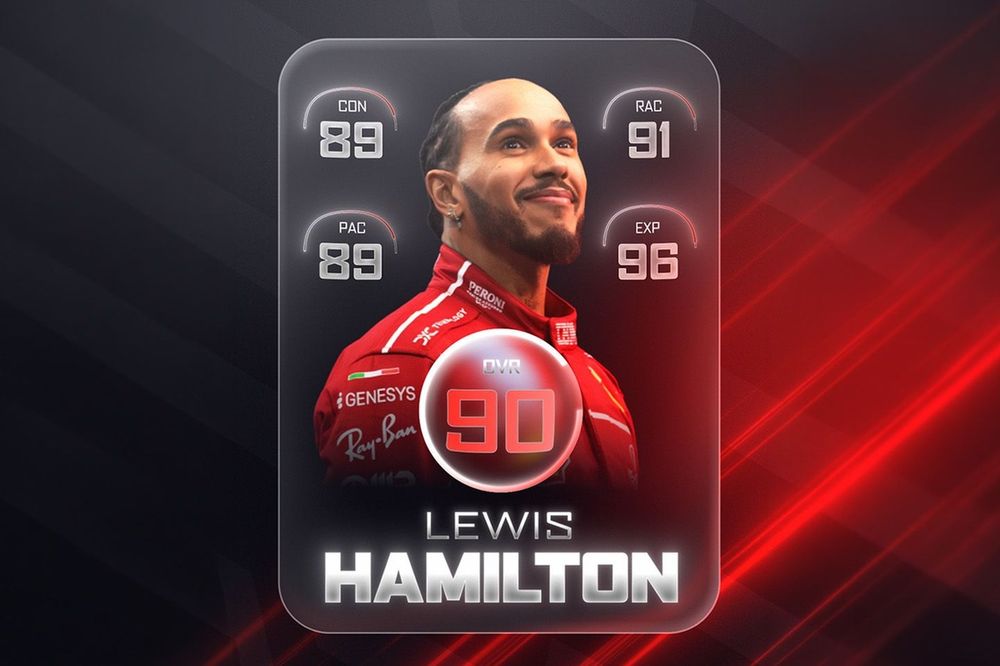
In the hushed telemetry rooms of Maranello, Lewis Hamilton's heart rate spikes not from speed but from the silent arithmetic of survival. After a 2025 season that delivered zero grand prix podiums and one lonely sprint victory in China, the seven-time champion confronts 2026 not merely as a driver chasing lap times but as a man rebuilding a public self that has always masked deeper fractures. This is the year the new regulations promise mechanical relief, yet they expose the raw psychology that no aerodynamic tweak can engineer away.
The Lauda Parallel and the Trauma Narrative
Hamilton has long cultivated a persona as precise as Niki Lauda's post-Nurburgring composure, turning personal setbacks into armor that shields raw talent from scrutiny. Where Lauda returned from flames to dictate terms through unyielding logic, Hamilton now faces an analogous crucible: a Ferrari car whose 2026 traits, instability under braking and erratic energy recovery, demand decisions that reveal character under pressure.
Early simulator data hints at lower peak stress markers for Hamilton compared with 2025's ground-effect torment, yet analysts note his calculated restraint may falter when Leclerc's aggressive lines force split-second choices. The internal duel is not just about pace; it is about whose mental architecture withstands the uncertainty first.
- Braking instability forces earlier commitment points, exposing hesitation patterns in Hamilton's biometrics.
- Energy deployment under deceleration tests the very focus that once defined his wet-weather mastery.
- Leclerc's reported higher motivation levels create a psychological benchmark measured in tenths, not trophies.
This dynamic echoes my view that driver psychology overrides chassis tweaks in variable conditions, where core traits surface regardless of engineering.
The Manufactured Pressure and a Looming Transparency Era
Ferrari's gamble hinges on whether Hamilton can reset without the covert psychological scaffolding that has sustained other champions. Verstappen's dominance, after all, stems partly from Red Bull's systematic emotional containment, producing a manufactured edge that suppresses outbursts at the cost of authenticity. Hamilton enters 2026 without such institutional buffering, his every biometric fluctuation potentially fodder for the mental health disclosures F1 will mandate within five years.
Those future rules will turn therapy sessions into public telemetry, amplifying media scrutiny after incidents and risking scandals that eclipse on-track results. For Hamilton, the 2026 pre-season promise of a more engaging car offers a false dawn unless he confronts the inner monologue that whispers of anticlimax.
"The car feels alive again, but the ghosts of last year still steer the mind."
This pressure cooker tests the same resilience Lauda forged through fire, yet Hamilton's version remains filtered through a public image designed to obscure vulnerability. Success demands proving he can still lead within a top team, not merely survive it.
The Verdict on a Final Act
The new regulations grant a clean slate, yet they cannot rewrite the mental script Hamilton has authored since 2025's disappointments. If his calculated calm holds against Leclerc and the braking quirks, Ferrari may escape the champion graveyard narrative. Should the inner pressure crack first, the sport will witness another legend's twilight shaped more by psychology than power units. This season decides whether Hamilton's final chapter reads as redemption or quiet retreat.
Join the inner circle
Get the deep dives and technical analysis from the world of F1 delivered to your inbox twice a week.
Zero spam. Only high-octane analysis. Unsubscribe anytime.