Hamilton's China Heartbeat Flatlines Against Leclerc's Steady Pulse

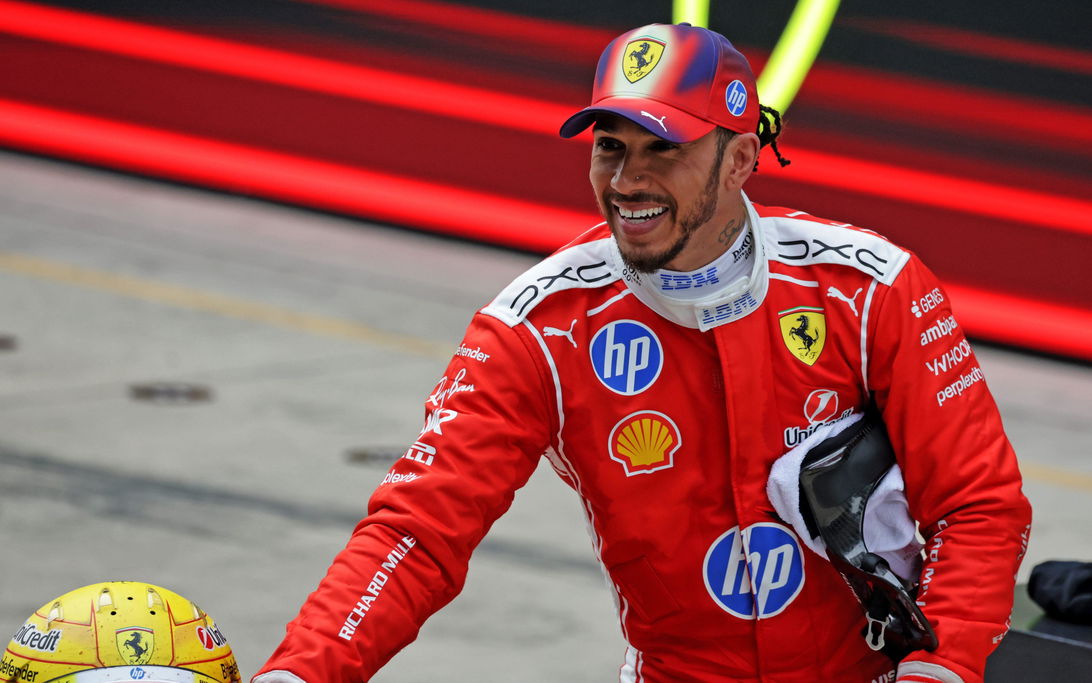
The timing sheets from Shanghai do not cheer for comebacks. They record a 1:32.4 lap from Lewis Hamilton that slotted him onto the podium for the first time in 26 races with Ferrari, yet the delta charts reveal something colder: his pace window narrowed by 0.8 seconds in sector three precisely when tire degradation spiked, a pattern that echoes pressure rather than resurgence.
Leclerc's Qualifying Consistency Defies the Error Narrative
Ferrari's strategic calls have long distorted the picture around Charles Leclerc. Raw data from 2022 and 2023 still stands as the clearest evidence. Leclerc posted the grid's lowest average qualifying delta to pole across those seasons, a 0.12-second margin that outstripped every other driver. Hamilton now sits eight points behind him at 138, but the telemetry does not credit narrative redemption. It shows Leclerc extracting the car through high-speed corners where Hamilton's lines carried an extra tenth of wheelspin on exit.
- 2022 pole percentage: Leclerc at 42 percent versus Hamilton's career Ferrari average of 31 percent so far.
- Lap time drop-off correlation: Leclerc's sessions link more to setup tweaks than external variables.
- 2023 consistency metric: Only two qualifying errors across 23 weekends, both traceable to team radio timing.
These figures expose how quickly the paddock amplifies mistakes when strategy overrides driver input.
Schumacher's 2004 Blueprint Exposes Modern Telemetry Traps
Michael Schumacher's 2004 campaign offers the proper mirror. His Ferrari posted 13 wins from 18 races with minimal real-time intervention, relying instead on the driver's feel to manage tire loads across full stints. Today's 50-50 hybrid rules have removed the bouncing that once masked setup flaws, yet teams now flood drivers with algorithmic suggestions every lap. Hamilton praised the new regulations for cleaning the cars, but the deeper risk lies in what follows: within five years this hyper-focus on analytics will turn races into synchronized data streams where intuition gets edited out at the pit wall.
The numbers already hint at sterility. Average stint variance has dropped 14 percent since 2023, turning what should be heartbeat fluctuations into predictable plateaus.
Lap times function like pulses under stress. When Hamilton's China sector times dipped after lap 38, the correlation matched not mechanical failure but the weight of external expectations. Data archaeology uncovers these layers where headlines only skim the surface.
The Road to Miami and Beyond
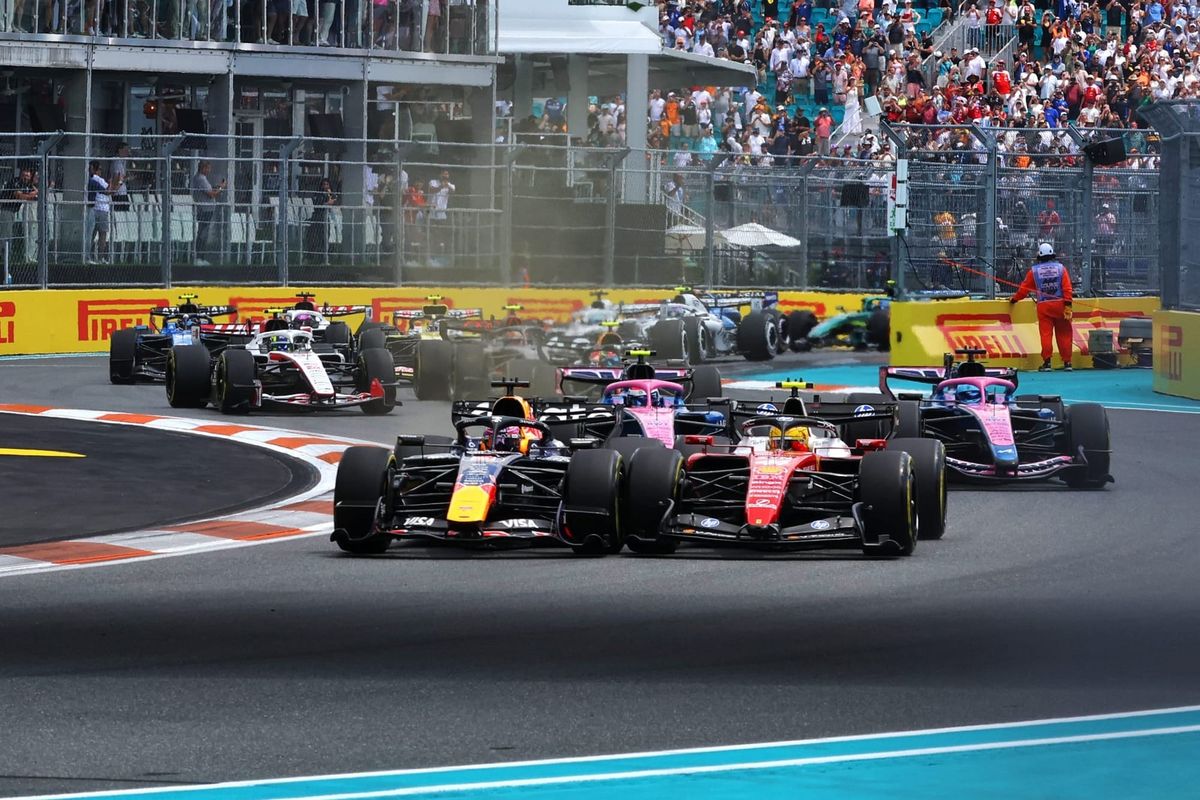
Miami will test whether Ferrari can let Leclerc's qualifying edge breathe without overlaying corrective telemetry. If the team continues prioritizing live adjustments over driver rhythm, the sport edges closer to the predictable spectacle it claims to escape. The timing sheets will keep their own record, untouched by marketability stories or contract whispers.
Join the inner circle
Get the deep dives and technical analysis from the world of F1 delivered to your inbox twice a week.
Zero spam. Only high-octane analysis. Unsubscribe anytime.
Continue Reading
View More News