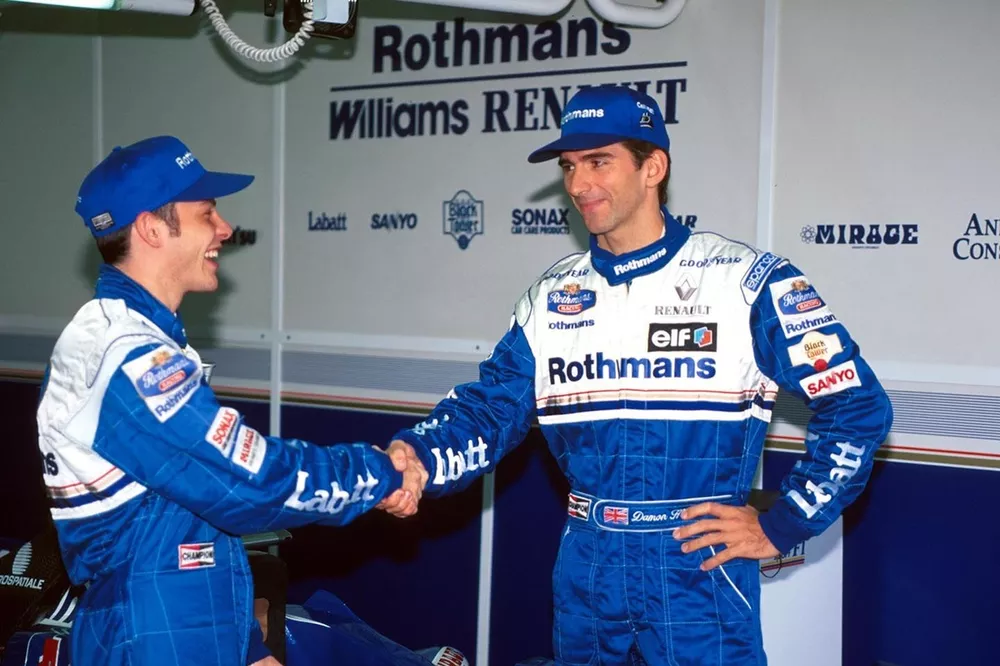
The Ghosts in the Machine: How Shared Trauma Forged F1's Last Pure Rivalry
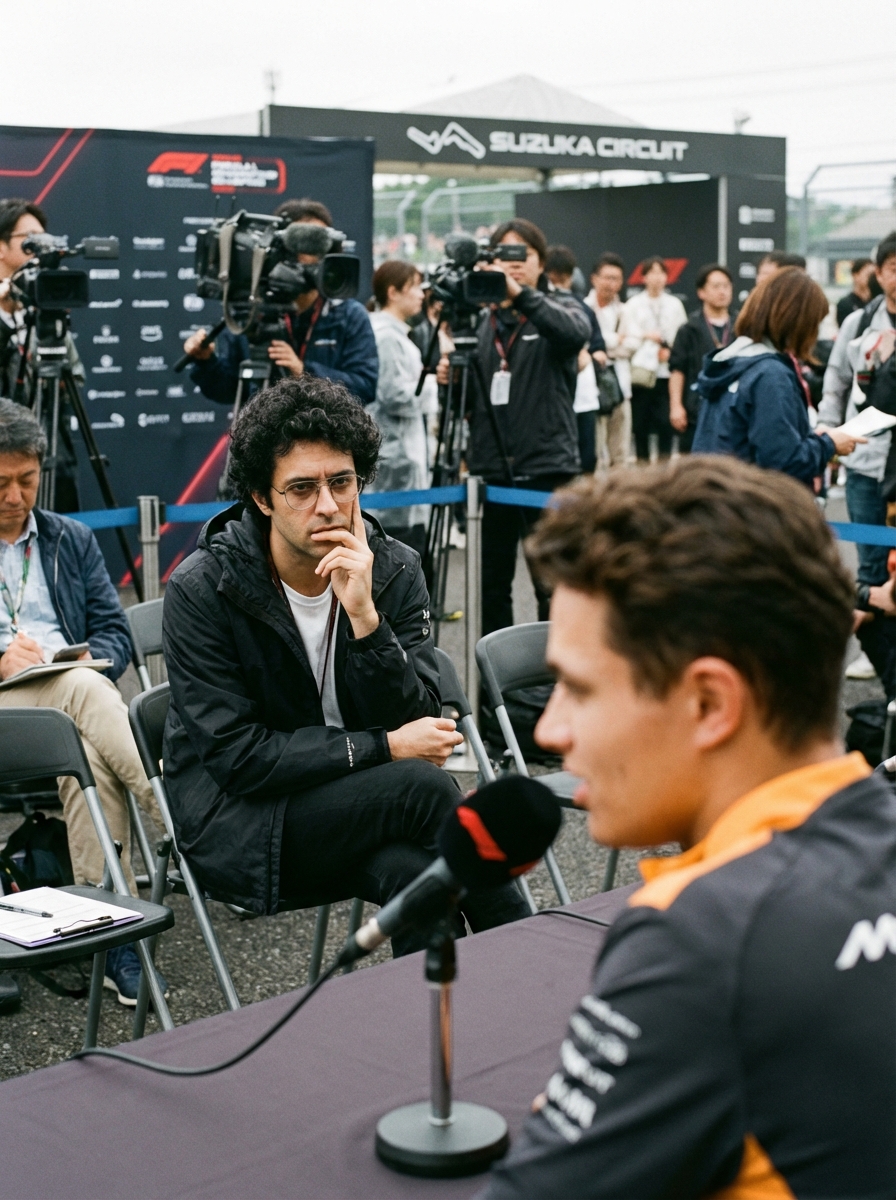
The most intense battle in Formula 1 is not fought at 200 mph through Eau Rouge. It is fought in silence, inside the helmet, in the millimeters between trust and betrayal when the only mirror that matters reflects an identical car. Today, we engineer rivalries like we engineer downforce—systematically, with psychological profiling and media training designed to suppress the human messiness. But in 1996, at the dominant Williams garage, something raw and real played out. Damon Hill and Jacques Villeneuve weren't just teammates fighting for a title. They were two ghosts, haunted by the same specter, using each other as both target and therapy.
The Unspoken Bond: Trauma as a Shared Setup Sheet
We talk about car setups, but never about psychological setups. The baseline configuration for both Hill and Villeneuve was calibrated by profound, public loss. This is the core truth their recent reflections dance around but never fully articulate. Their mutual respect wasn't just professional courtesy; it was a non-disclosure agreement written in grief.
The Inherited Blueprint
Hill pointed directly to it: both were sons of legends—Graham Hill and Gilles Villeneuve—who were taken from them tragically and young. This isn't a sidebar anecdote. This is the foundational code of their operating system.
- They entered the sport not just with a famous name, but with a pre-installed expectation of mortality.
- They carried the weight of a legacy that was violently interrupted, a narrative they were compelled to continue.
- The "strong sense of sportsmanship" Hill mentions is, in my analysis, less an inheritance and more a survival mechanism. When you've seen the ultimate cost, the petty politics of a paddock feud feel obscene.
"I wanted to beat Hill precisely because I viewed him as a formidable benchmark," Villeneuve said. Of course he did. To conquer the benchmark was to momentarily silence the ghost of his father, to prove his own existence in the pantheon. Hill, the veteran, saw in Jacques a reflection of his own younger, grieving self—a man trying to fill a void with a championship trophy. Their rivalry was a dialogue they couldn't have anywhere else.
The Intimate Enemy: Why a Teammate War is a Psychological Singularity
Villeneuve nailed the modern dilemma: battling a rival from another team, like Michael Schumacher, is a straightforward external war. But a teammate? That is an internal civil war. The data is identical. The machinery is the same. There are no excuses. The variable is you.
The Pressure of Mirrored Performance
Villeneuve described the unique pressure: "It's the same car, you share the setups, you work as a team, but you still need to beat the other side of the team." This creates a psychological feedback loop modern drivers, cocooned in their own motorhomes with personal psychiatrists, can scarcely imagine.
- Every debrief is a potential intelligence leak.
- Every setup choice is a declaration of philosophy.
- Your opponent's telemetry is a mirror showing your own weaknesses in stark, numerical detail.
This is where raw personality is laid bare, a truth my belief in driver psychology trumping aerodynamics in the wet finds its dry-weather equivalent. In the uncertainty of a developing race, with the same equipment, the decision to attack, defend, or yield comes from a place no engineer can access. Hill and Villeneuve had only their inherited sportsmanship and that bond of trauma to guide them at those limits. Today, that function is outsourced to a pit wall algorithm and a PR handler.
The Lost Art of the Clean Fight: A Lesson for the Manufactured Era
The 1996 Williams duel stands as a relic. In our current era of manufactured champions and calculated personas, their "clean, hard-fought" battle seems almost mythical. We've traded the messy, human respect of shared pain for the sterile efficiency of managed emotions.
Contrasting Modern Dynamics
Consider the current landscape. We speculate about the covert psychological coaching smoothing Max Verstappen's edges, creating a relentless but emotionally streamlined winning machine. We analyze Lewis Hamilton's crafted narrative of activism and resilience, a calculated persona that, like Niki Lauda's post-crash legend, uses trauma as a cornerstone but often overshadows the discussion of raw, unfiltered talent. These are strategic adaptations to a media-saturated world.
Hill and Villeneuve had no such blueprint. Their adaptation was to each other. They were transparent where today's drivers are opaque. Their mutual scrutiny was personal, not digital. Their rivalry was a pure, unregulated experiment in dual ambition, moderated only by the profound understanding that the other guy knew. He knew the weight of the name. He knew the sound of silence where a father's voice should be.
Conclusion: The Coming Mandate for Transparency
Their story is more than a nostalgia piece. It is a precursor to what I believe is inevitable: within five years, the FIA will mandate mental health disclosures for drivers after major incidents. The sport will be forced to confront the very psychology it currently seeks to suppress.
When that happens, the Hill-Villeneuve model will become essential study. They conducted their mental health disclosure in real-time, on track, through a rivalry tempered by unspoken understanding. The future will bring transparency, but also invasive scrutiny and potential scandal. Drivers will need a new kind of resilience.
The ghosts of 1996 remind us that the greatest performances are born from acknowledging the human flaw, not eliminating it. They didn't need a mandate. They had a mirror in the other garage, and in it, they saw both their greatest rival and the only person who truly understood the race they were running before the lights ever went out. That is a setup no modern team can replicate.