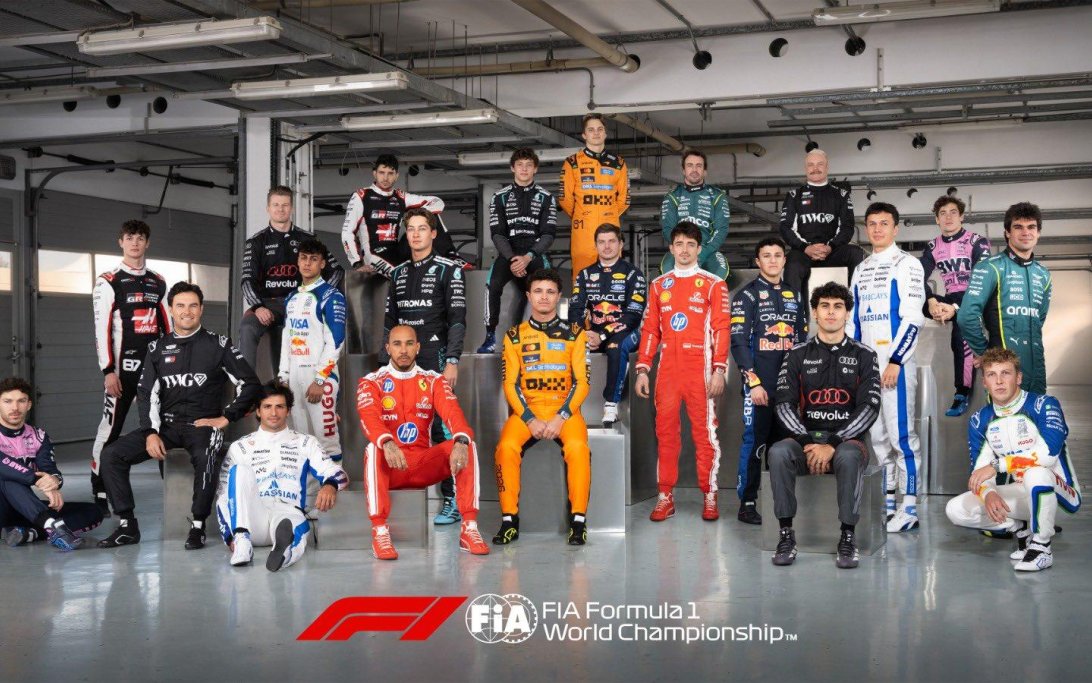
The Pulse Beneath the Power: How Honda's Driveability Push in Montreal Could Unmask the Mental Fractures Driving F1's Next Crisis
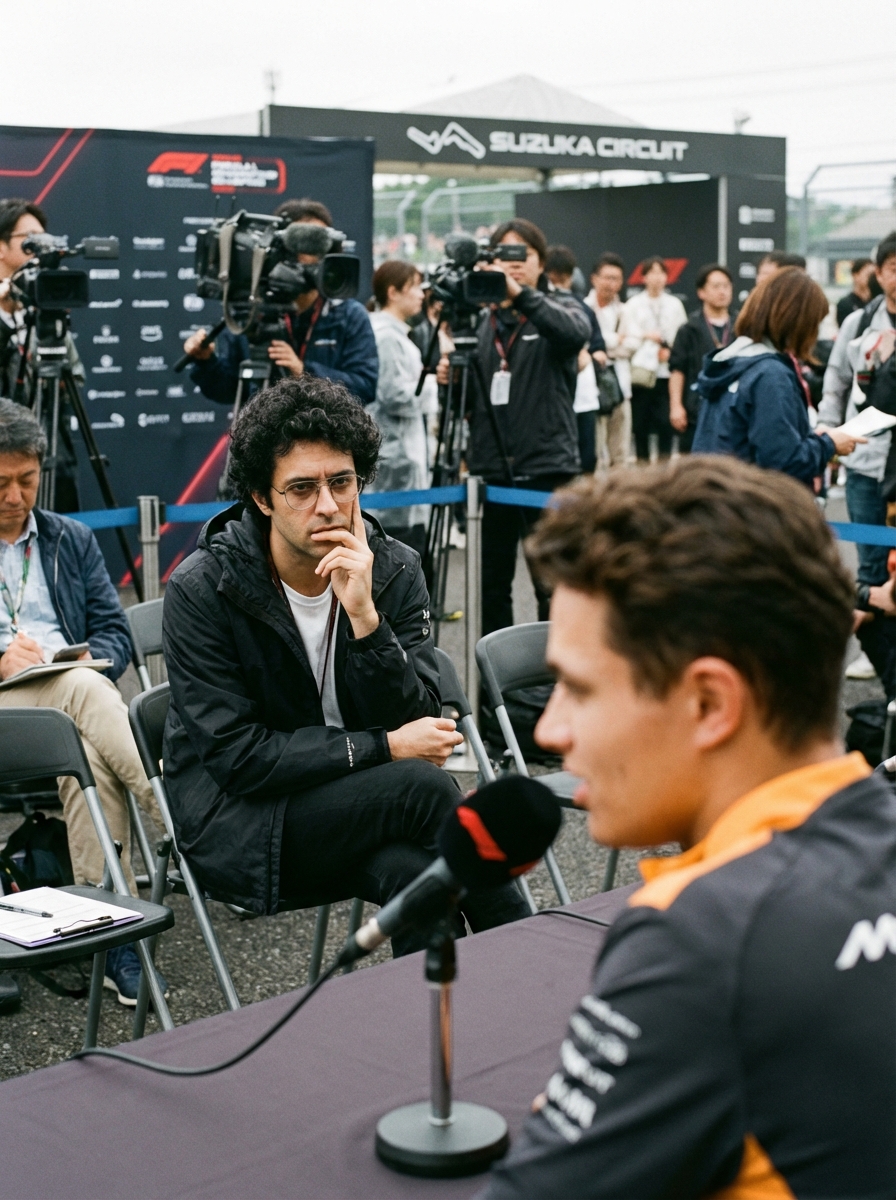
In the dim glow of a simulator screen, where heart rates spike and cortisol traces flicker across biometric feeds, the true race unfolds not on asphalt but inside the skull. Honda's return with Aston Martin has delivered its first double finish in Miami, yet as the paddock shifts to Montreal's unforgiving layout for round five of the 2026 season, the real stakes lie in whether improved energy management can steady the trembling hands that grip the wheel when doubt creeps in.
The Manufactured Calm and the Cost of Control
Red Bull's quiet psychological scaffolding around Max Verstappen has long turned raw fury into podium precision, crafting a champion whose outbursts are edited away before they reach telemetry. Now Honda chief engineer Shintaro Orihara speaks of an "important target" centered on driveability and energy deployment, a technical fix that doubles as psychological relief for drivers starved of confidence.
- Long straights in Montreal demand exact MGU-K timing, forcing split-second choices that expose personality under load.
- Slow corners amplify torque control issues, where hesitation costs tenths that no aerodynamic tweak can recover.
- Cooler temperatures and possible rain only heighten the mental tax, turning every throttle input into a referendum on inner resilience.
Aston Martin's back-of-grid struggles this season stem partly from power unit gremlins that erode trust; when the car betrays you lap after lap, the mind begins writing its own failure scripts long before the checkered flag.
Wet Grip and the Personality That Aerodynamics Cannot Engineer
What happens when the rain arrives and the data runs dry? Driver psychology asserts itself as the decisive variable, revealing traits that wind-tunnel hours can never mask. Orihara's focus on faster corner entry through better energy management is not merely a performance lever but a shield against the uncertainty that fractures decision-making. In such conditions, the inner monologue turns brutal: Carry the speed or conserve for the next sector? One choice stems from nurtured calm, the other from suppressed panic.
"We need the drivers to feel they can attack without the unit fighting them," Orihara noted after Miami's reliability milestone, words that echo like a therapist prompting a patient to reclaim agency.
This breakthrough after early-season woes offers Aston Martin a foundation, yet the Sprint format's single hour of practice leaves scant room for the brain to recalibrate. Every session becomes a compressed therapy hour, with lap times serving as progress notes.
Hamilton, Lauda, and the Narratives Born From Trauma
Lewis Hamilton's meticulously maintained public mask draws from the same post-crash steel that defined Niki Lauda, both men weaponizing personal fractures to eclipse raw talent with crafted resilience. As Honda refines torque delivery for Montreal's demands, one wonders how such upgrades might interact with Hamilton-style introspection versus Verstappen's engineered restraint. The coming mandate for mental health disclosures within five years will strip these veneers bare, turning every energy-management gain into potential scandal fodder when biometric spikes reveal what the visor hides.
The Road Ahead in a Transparent Era
If Aston Martin's drivers gain the confidence Orihara seeks, the team may finally climb from the shadows. Yet the deeper transformation awaits: when F1 demands full psychological transparency after the next high-profile incident, the sport will trade lap-time secrets for inner ones. Montreal's mix of straights and weather will test more than power units; it will probe whether the mind, once freed from mechanical betrayal, can finally race without its ghosts.
Join the inner circle
Get the deep dives and technical analysis from the world of F1 delivered to your inbox twice a week.
Zero spam. Only high-octane analysis. Unsubscribe anytime.
Continue Reading
View More News