Honda's Monaco Mind Games: Why Psychological Edge Could Rescue Aston Martin's Battered Campaign

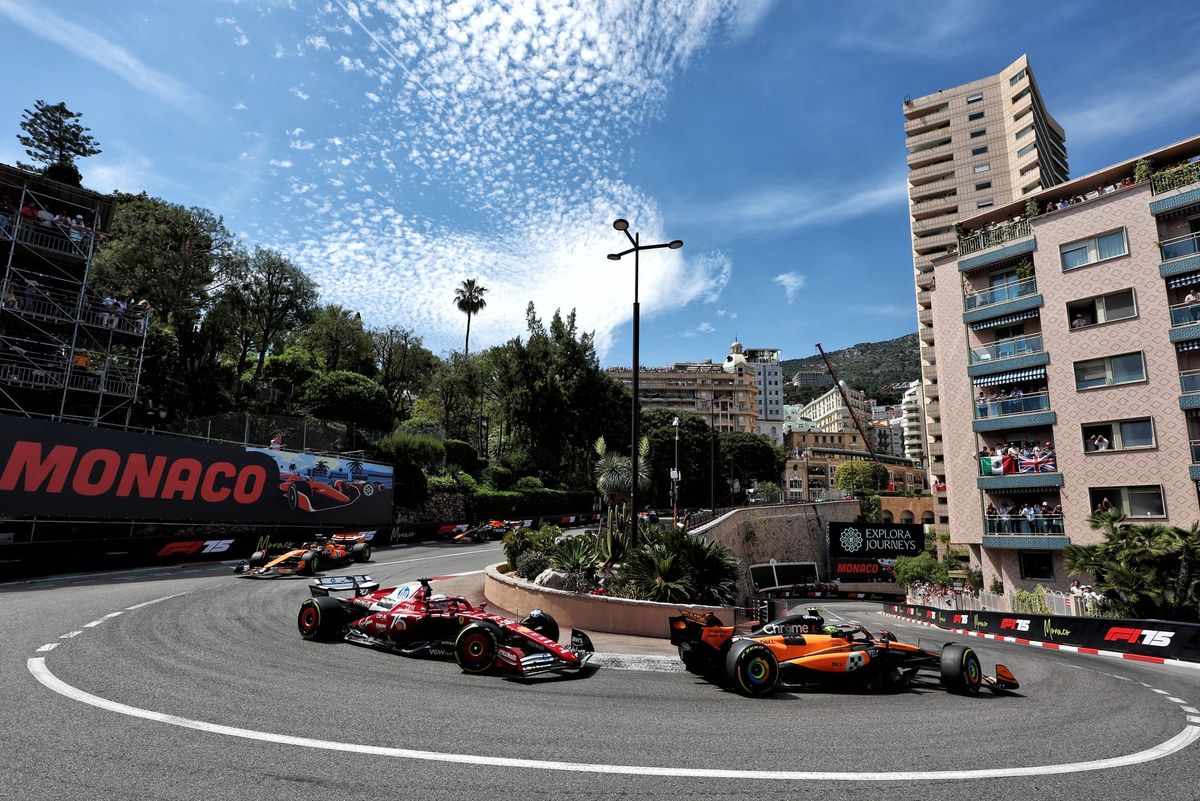
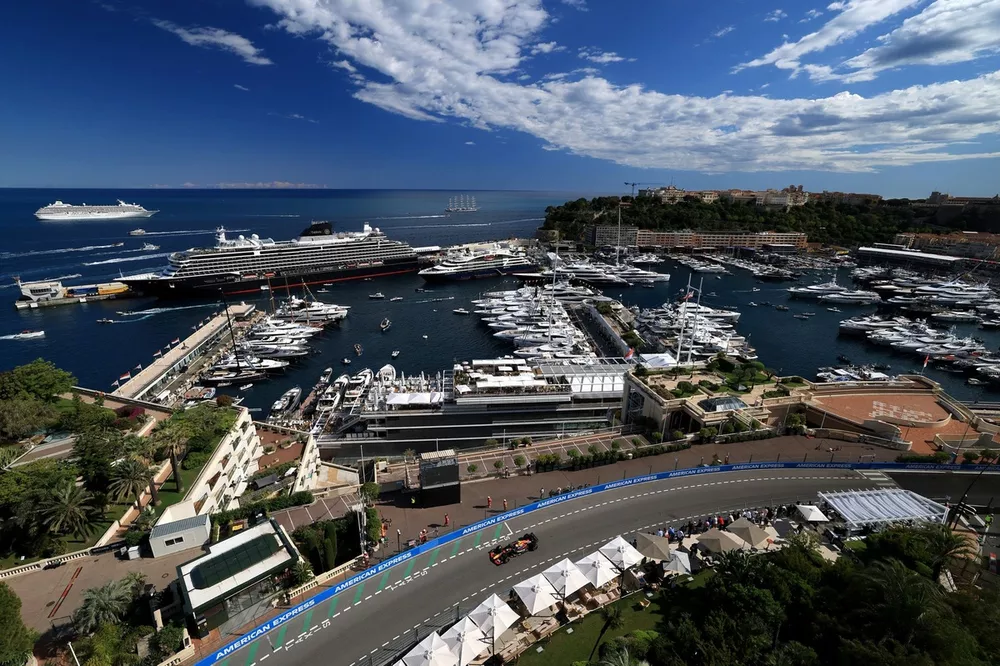
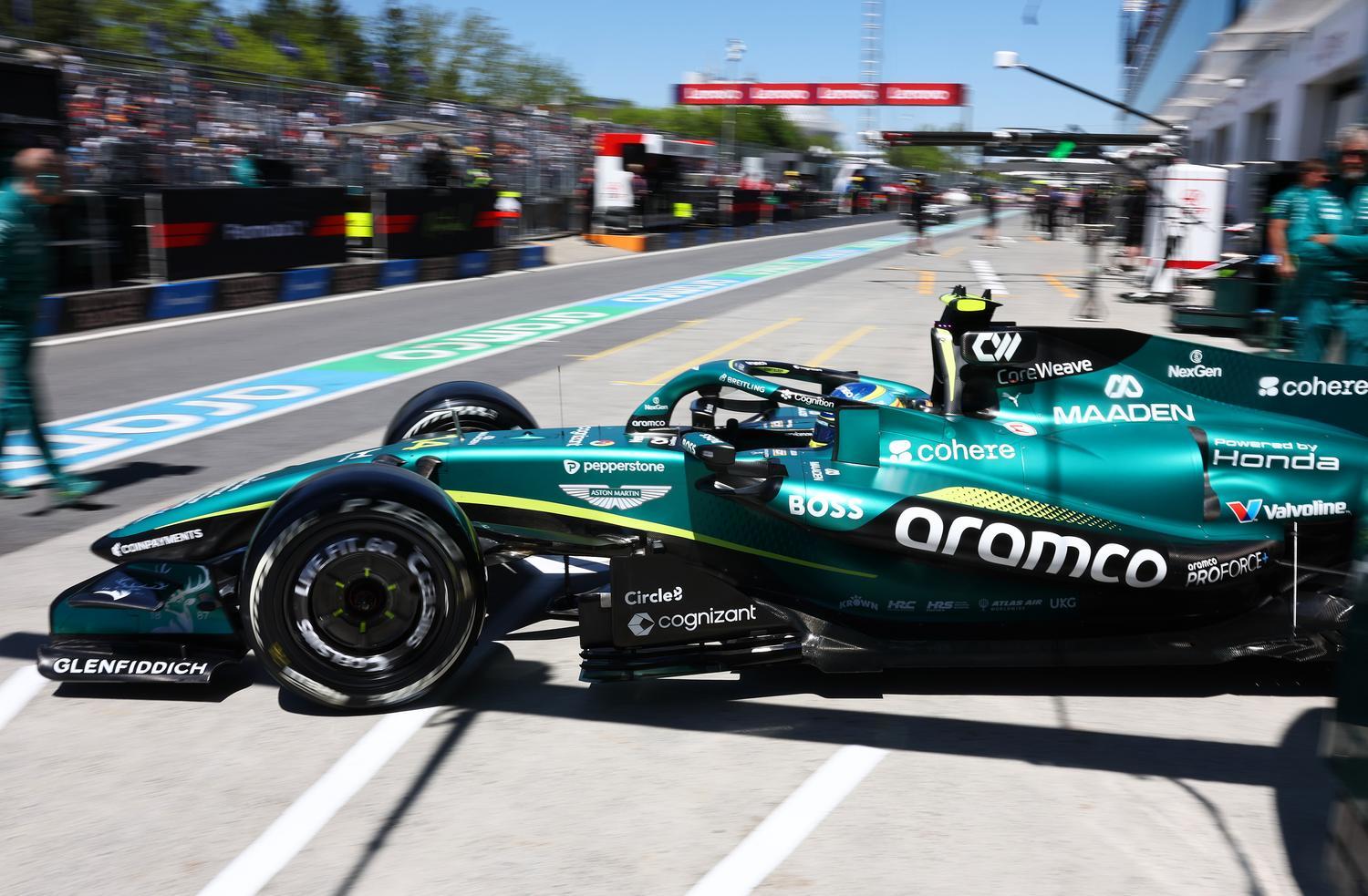
In the winding alleys of Monte Carlo, where every braking zone feels like a test of a driver's inner resolve, Honda is placing its faith not in brute horsepower but in the fragile psychology of its Aston Martin drivers. It reminds me of an old Thai tale about the clever fox who outwits the tiger by mastering calm under pressure rather than raw strength. The fable always ends the same way: the one who controls the mind survives when the body falters. Five races into this partnership, with Fernando Alonso and Lance Stroll combining for five retirements, the team sits last in the constructors' standings. Monaco's unique demands offer a rare chance to flip that script through targeted mental preparation.
Simulator Work That Goes Beyond Laps
Honda has leaned hard into driver-in-the-loop sessions at the AMR Technology Campus, tailoring energy management specifically for Monaco's stop-start rhythm. This is not mere number crunching. It is an exercise in building driver confidence when the car feels unpredictable.
- Low average speeds and constant throttle changes place huge demands on electrical deployment.
- Trackside general manager Shintaro Orihara stressed the need for dedicated power unit adaptation.
- Three hours of practice time gives extra opportunity for feedback on driveability.
I have heard from sources close to the team that these sessions include psychological profiling elements, something many squads still treat as secondary to aero tweaks. The data shows that when drivers feel the car responding predictably, their lap times stabilize even if outright pace lags. That shift in priorities speaks volumes about where Honda sees its real weakness.
Energy Management as a Test of Nerve
Monaco punishes hesitation more than any other track. Cooling remains a live concern because tight streets starve the power unit of airflow, especially in traffic. Yet the deeper issue is how drivers handle the mental load when systems start to overheat.
"The power unit requires dedicated preparation to adapt," Orihara noted, highlighting the focus on energy settings.
This preparation echoes the heated radio exchanges of the 1989 Prost-Senna era, where genuine stakes made every word carry weight. Today's conflicts often feel like theater by comparison, lacking the same raw edge. Still, if Alonso or Stroll begins to question the package mid-race, the entire weekend unravels. Psychological profiling could prove more decisive here than any cooling fin adjustment, because a driver who trusts the strategy stays composed when traffic closes in.
Driveability Over Upgrades
Honda is deliberately avoiding major hardware changes this weekend. Instead, the emphasis falls on incremental predictability that lets drivers commit fully to each corner. That choice reveals a quiet admission: the reliability gremlins from earlier races have shaken team morale. Within five years, budget cap loopholes will likely force a major team collapse or merger, and Aston Martin cannot afford to be the one caught short when the reckoning arrives.
The simulator work is precise, but Monte Carlo exposes reality quickly. If the energy deployment feels natural and the drivers report genuine confidence, points become possible. If not, the deeper issues will surface again before the checkered flag.
The Road Ahead
Monaco will not fix Aston Martin's season, yet it could restore a measure of belief. When psychological readiness aligns with technical tweaks, even struggling partnerships find breathing room. The coming races will show whether Honda has learned that lesson in time.
Join the inner circle
Get the deep dives and technical analysis from the world of F1 delivered to your inbox twice a week.
Zero spam. Only high-octane analysis. Unsubscribe anytime.
Continue Reading
View More News