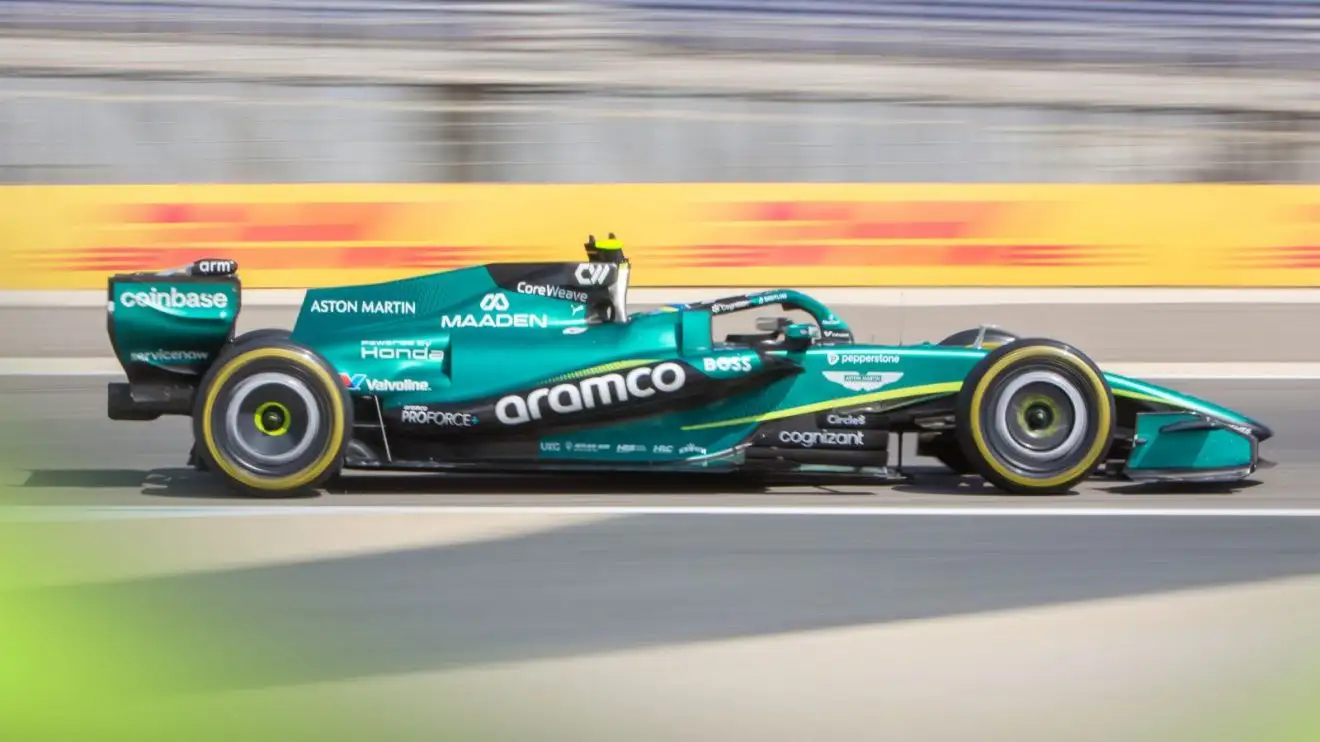
The Ghost in the Machine: Honda's Power Unit Crisis is a Crisis of Trust
The silence of a Formula 1 car in a garage is a deafening sound. It is the sound of potential evaporating, of data not gathered, of confidence bleeding away. In the Bahrain desert, as rivals painted the track with the black ink of tire data, Aston Martin’s garage was a library of quiet panic. For Lance Stroll, confined to a mere six installation laps on the final day of testing, the psychological toll is not measured in lost downforce, but in lost certainty. When the machine upon which your entire season is built refuses to speak, what does a driver hear in that silence? Doubt. And doubt is a heavier fuel than any hybrid blend.
This isn't merely a technical setback. This is the first, brutal test of a marriage. The highly anticipated works union between Aston Martin and Honda, a partnership forged in the fire of ambition to dethrone giants, has been handed its first crucible not on the podium, but in the humiliating glare of a parts shortage and a stubborn battery. The facts are stark, but the human fissures they reveal are far more compelling.
The Anatomy of a Fractured Beginning
The timeline reads like a slow-motion unraveling. On Thursday, Fernando Alonso—a man whose psyche is a fortress of self-belief, built upon a foundation of past betrayals by machinery—was halted after 68 laps. A battery issue. A flicker of the unseen. Then Friday, the true specter of modern F1 emerged: a critical shortage of spare parts for the power unit. In the cost-cap era, this isn't just bad luck; it's a systemic failure of logistics and forecasting. The team was forced into a defensive, minimalist run plan, a posture anathema to the aggressive ambition they've touted.
- Total testing laps for Aston Martin in Bahrain: under 400. A number that screams vulnerability.
- Lance Stroll's final day contribution: six installation laps, zero timed laps. For a driver perpetually wrestling with the shadow of his teammate and his own consistency, this is a catastrophic deprivation of seat-time confidence.
- Honda's admission: Shintaro Orihara, the trackside general manager, stated plainly they failed their mileage target and are "not happy" with both performance and reliability.
This is the moment where corporate partnership meets human anxiety. The engineers see graphs and failure rates. Alonso and Stroll feel a creeping, familiar dread—the sensation that the tool they must wield is fundamentally flawed.
The unified front presented by Orihara, praising the collaborative effort between Sakura, Silverstone, and Bahrain, is necessary PR. But I have seen this movie before. Behind the scenes, the language will be shifting. From "we" to "they." From "our issue" to "the Honda problem." Alonso, the ultimate political animal in a firesuit, will be calibrating his public comments with surgical precision, his mind already calculating the emotional distance required from the project should it fail. Stroll, less insulated by legacy, may internalize the frustration, his performance becoming a volatile barometer of the package's trustworthiness.
The Psychological Clock is Ticking Faster Than Melbourne's
With the season opener in Australia bearing down, the focus is naturally on physical fixes. New battery racks, flown-in parts, software patches. But the more critical repair is intangible. How do you rebuild driver faith in a machine that has yet to prove it can complete a simple homework assignment?
This is where the ghost of Max Verstappen's early Red Bull years haunts the conversation. His notorious emotional eruptions—the radio tirades, the palpable fury—were systematically quieted not just by a better car, but by a covert psychological scaffolding built around him. The machine's reliability became the bedrock of his mental transformation. Honda and Aston Martin are attempting the inverse: asking their drivers to build psychological resilience while the machine proves itself unreliable. It is an almost impossible ask.
- For Alonso, this triggers deep-seated patterns. He has been here before—with McLaren-Honda. His mind is a ledger of past mechanical betrayals. Every missed lap is a withdrawal from an already cautious emotional bank.
- For Stroll, the lack of laps is a different kind of poison. It denies him the rhythm, the unconscious bonding with the car that transforms it from a collection of parts to an extension of self. He will arrive in Melbourne not just underprepared, but emotionally disconnected from his primary interface with the world.
The great wet-weather drivers—a Hamilton, a Senna—reveal their core selves when grip is an illusion. For Aston Martin's duo, that uncertainty has arrived two weeks early, and it's not on the track, it's in the garage. Decision-making under technical uncertainty reveals the same raw personality traits. Alonso will become calculating, manipulative of the narrative, a Lauda-esque figure using the crisis to sharpen his own legend of resilience. Stroll's response is less predictable, and therefore more dangerous for team harmony.
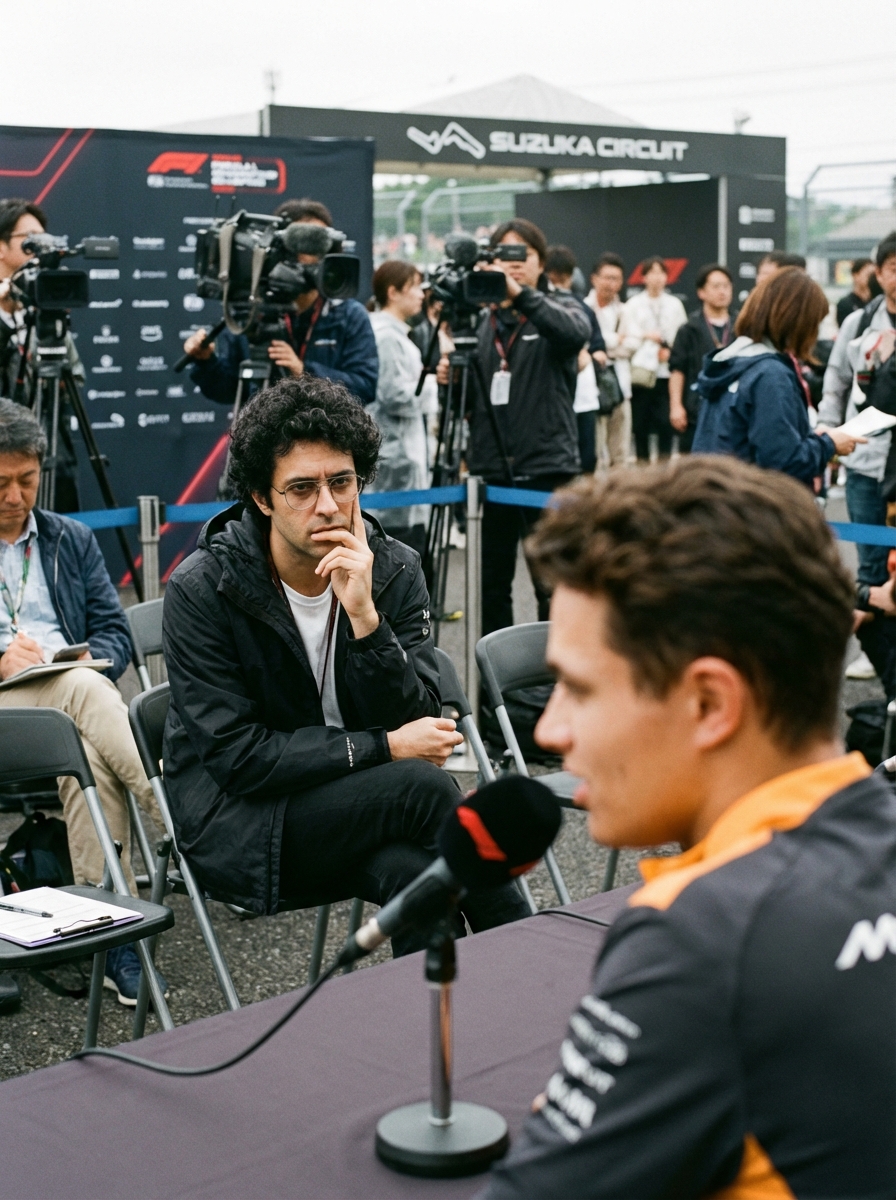
The Australian Grand Prix will not be judged on points alone. It will be a live diagnostic of this partnership's psychological health. A clean weekend can cauterize the wound. Another failure, another stuttering power unit, and the narrative solidifies. The "works partnership" becomes the "problem child." The drivers' body language—the slump of the shoulders after a DNF, the forced optimism in the Thursday press conference—will tell the true story.
In Formula 1, speed is a product of belief as much as combustion. Right now, in the heart of that beautiful, silent Aston Martin, the belief is running dangerously low. They have two weeks to refill it. But trust, once evaporated, is the hardest compound to re-synthesize. The season hasn't started, and already, Honda and Aston Martin are in a desperate race against their own drivers' doubt.