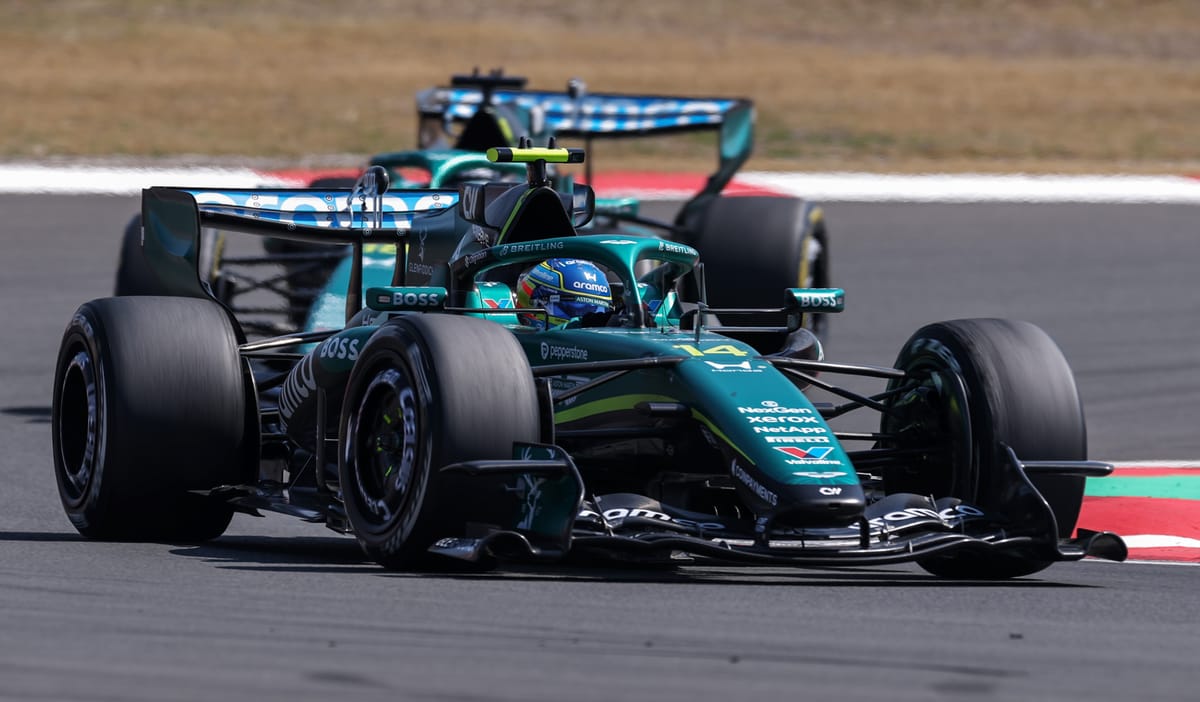
Vibrations and Vendettas: Inside the Real Power Struggle Crippling Aston Martin

The paddock whispers are growing into a roar, and they're not just about the violent shudder in the chassis of the Aston Martins. They're about the silent, seismic tremors running through the very foundation of Formula 1's power structures. While Honda scrambles with another temporary patch for this weekend's Japanese Grand Prix, promising a "permanent fix" by Miami, the real story is being written in the shadows. This isn't a simple engineering puzzle. It's a political time bomb, and its fallout will expose the fragile alliances and brutal calculations that truly decide who wins and who gets dismantled. I've seen this play before. The 1994 Benetton team didn't just have a fast car; it had a culture of ruthless, rule-bending secrecy that fractured the team from within. At Aston Martin, the vibrations are merely the symptom. The disease is a partnership already showing the hairline cracks of mutual blame, a dynamic far more dangerous than any engine harmonic.
The Performance Paradox: A Marriage of Convenience on the Rocks
On paper, the Honda-Aston Martin union was a works-team dream. In reality, it's starting to smell like a divorce waiting for the lawyers to arrive. The facts are stark: zero classified finishes in two races, Fernando Alonso retiring in China due to driver discomfort, and Lance Stroll admitting the car is only tolerable for half a race distance. Honda's trackside boss, Shintaro Orihara, may express "confidence" in the battery reliability after China, but confidence is the currency you spend when you have no results.
This is the classic manufacturer-works team tango, and right now, they're stepping on each other's feet. Honda's reputation, rebuilt so painfully after the McLaren debacle, is evaporating with every DNF. Aston Martin, a team built on Lawrence Stroll's boundless ambition and checkbook, is being publicly humiliated, its points column a glaring zero.
The Miami upgrade timeline is telling. A "reliability upgrade" requires FIA permission but is separate from performance development. This is the loophole every savvy player watches. It’s a chance to slip in performance gains under the guise of fixing a fundamental flaw, a trick as old as the sport itself. Remember Benetton's '94 fuel system? Officially, it was a complex piece of engineering. In the paddock corridors, we called it what it was: a grey-area masterpiece that won a championship and spawned a thousand protests. Honda and Aston Martin will be eyeing the same blurred line. But can their partnership survive the pressure long enough to exploit it? The internal memos I'm seeing suggest a growing friction between the Japanese corporate caution of Honda and the desperate, results-now demand from Silverstone. Alonso flexing his hands and driving no-handed in China wasn't just a driver in pain; it was a public cry for help from a champion who knows his final years are being wasted.
The Budget Cap Endgame: How Midfield Wolves Are Circling
Here is where the narrative gets truly explosive. While the spotlight burns on Aston Martin's crisis, the real revolution is happening in the quiet offices of Alpine, Haas, and Williams. The 2026 budget cap, for all its good intentions, has created a predator's paradise. A works team like Aston Martin, with a manufacturer partner, carries immense fixed overhead—the very kind that the cap brutally squeezes. A privateer, a lean operation like the old Force India, can pivot faster, allocate resources more ruthlessly, and exploit the cap's loopholes with the agility of a street fighter.
- Aston Martin is hemorrhaging money on this Honda fix. Every new countermeasure, every rushed freight of parts, every simulation hour burns through their capped budget.
- Meanwhile, a team like Alpine, with a settled (if unspectacular) power unit, can pour those same resources into aero development and weight reduction.
- The vibrations are a short-term problem. The budget cap attrition is a terminal diagnosis for the bloated manufacturer model.
By 2028, the grid will look radically different. The teams that thrive won't be those with the biggest partner logo on the engine cover. They'll be the ones with the most cunning financial directors, the ones who saw the cap not as a restriction, but as a weapon. Aston Martin's current nightmare is the canary in the coal mine. Their struggle to solve a basic reliability issue under financial constraints is a preview of coming attractions for every manufacturer-aligned squad. Ferrari, with its historic bureaucracy? Mercedes, with its vast corporate structure? They are dinosaurs watching the comet approach. Lewis Hamilton's move to Maranello is a leap onto a sinking ship; his activist persona will clash with Ferrari's conservative, insular culture, creating internal strife that no amount of horsepower can overcome. The future belongs to the nimble, the privateers. The vibrations in the AMR26 are just the first tremors of the coming earthquake.
Conclusion: Morale is the Only Metric That Matters
We obsess over wind tunnel data and dyno figures, but the championship is won and lost in the morale of the garage. What is the cost of watching your two world-class drivers become crash test dummies for a faulty power unit? What is the cost of the engineers working sleepless nights on "countermeasures" instead of breakthroughs? The team principal smiling for the cameras while his inbox fills with terse emails from Japan?
Honda may indeed have a fix by Miami. They may even find a sliver of performance in it. But the damage is already deeper than any sensor can measure. The trust between driver and engineer, between team and supplier, has been fractured. In Formula 1, a contract is just a piece of paper. The real glue is success, and in its absence, the bond dissolves into a business arrangement filled with silent recriminations. The 1994 Benetton saga taught us that a team at war with the regulations and whispering behind closed doors can still win, but it leaves scars that last for decades. Aston Martin and Honda aren't there yet, but they're on the same dangerous road. Watch the body language in Suzuka. Listen to the pauses in the press conferences. The story of the 2026 season isn't being written on the timing screens. It's being written in the strained silence between two partners who are starting to wonder if they've bet on the wrong horse.