Suzuka's MGU-K Shift Reveals F1's Fragile Alliances

The paddock hums with unease as 2026 regulations bite. At Suzuka the first sector no longer rewards raw throttle courage. Instead it demands a silent ballet of energy recovery that exposes every fracture inside the teams fighting for survival. Drivers barely graze the brake pedal anymore. The MGU-K does the work. Yet the real contest unfolds not on track but in the encrypted channels where engineers trade data and loyalty frays under sponsor pressure.
The New Braking Reality Hits the Esses
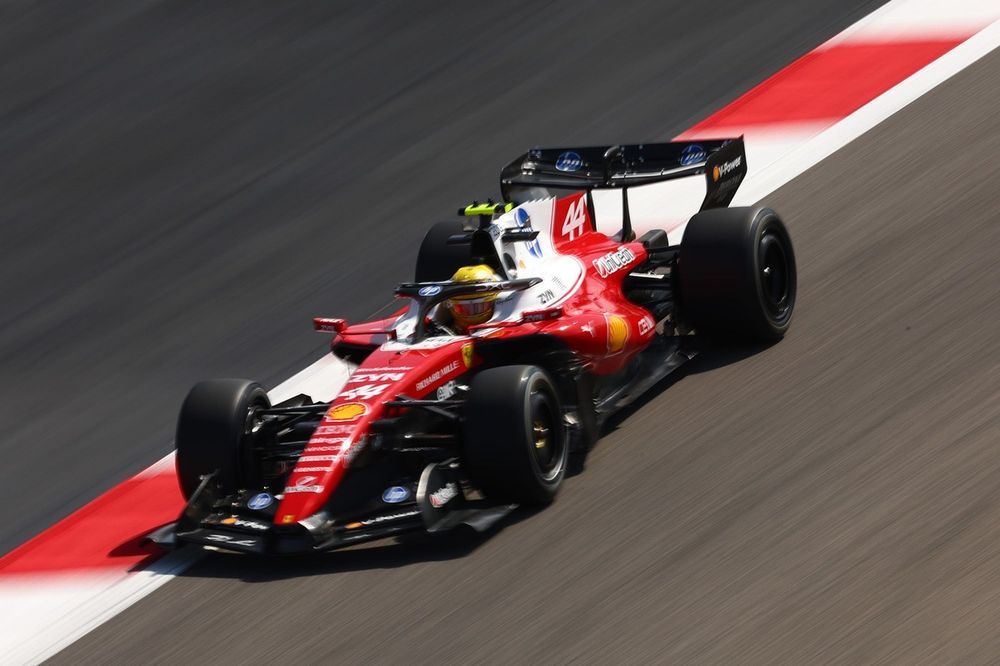
Ferrari's on-board traces from 2025 to 2026 tell a stark story. Through the high-speed sequence that once tested mechanical grip and nerve, the brake pedal now sits almost unused. The MGU-K harvests triple the previous power and feeds it straight back into deceleration. This forces cars into lower gears despite screaming engine revs, with strategic power cuts exceeding 150 kW from Turn 3 to Turn 6. Corner entry speeds drop by roughly 30 km/h. The result feels like one-pedal driving, but it strips away the visceral edge that made Suzuka legendary.
- Teams zero electric deployment in grip-limited corners to let the MGU-K keep harvesting even on throttle.
- Cars exit Turn 6 carrying more stored energy than they carried into Turn 3.
- Peak speeds before 130R rise over 20 km/h with DRS, followed by a long derating phase that bleeds more than 50 km/h before the chicane.
These changes force chassis and software teams to operate in perfect lockstep. Any misstep in energy mapping costs positions before the driver even reaches the braking zone.
Internal Power Games Decide Who Adapts First
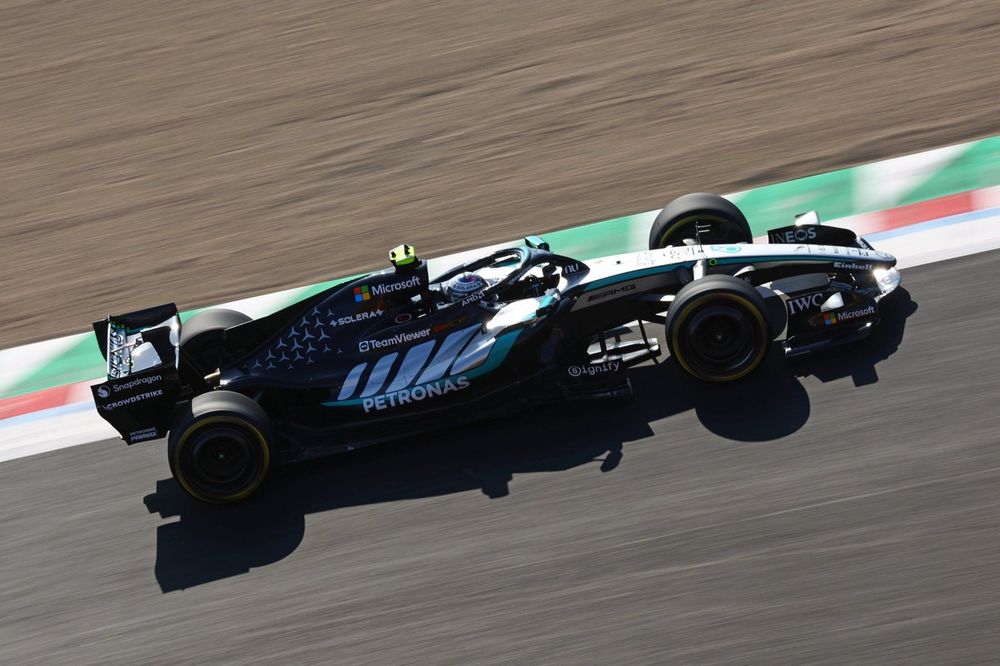
The technical demands only amplify old tensions. Modern Mercedes still carries the scars of its post-2021 decline, when management sidelined engineers in favor of commercial targets. That same pattern haunted the Williams squad of the late 1990s, where Adrian Newey and Patrick Head clashed with executives over design priorities while the team slowly lost its edge. Today the same fault lines appear wherever energy-management algorithms must be shared across departments. Morale determines whether those algorithms stay proprietary or leak through quiet conversations in the motorhome.
Covert information exchange now outweighs outright innovation. A demoralized squad will hoard data until it is too late. A tight-knit group will swap calibration secrets in real time, turning the FIA's zero-deployment allowance into a decisive advantage. Red Bull's ability to shield its star from internal dissent gives it an edge here, but that shield cannot last forever when sponsor revenue models begin to crack.
"It's not a disaster, but it's not like before. F1 shouldn't be like this."
Carlos Sainz captured the human cost. Drivers sense the spectacle slipping away, yet the deeper risk lies with the balance sheets. Within five years at least one current top team will fold under the weight of unsustainable sponsor deals, exactly as manufacturers did in 2008-2009. Energy-recovery software cannot paper over those cracks.
The Road Ahead Exposes Every Weakness
Teams must now align chassis setup with powertrain logic in ways that reward trust more than horsepower. Circuits without long straights will punish outfits that cannot harvest efficiently while maintaining driver confidence. The 2026 rules were sold as a sustainability push. In practice they have become another arena for the same political maneuvering that has always decided championships. Those who master both the MGU-K and the quiet alliances behind it will pull clear. The rest will watch their influence erode, one leaked calibration at a time.
Join the inner circle
Get the deep dives and technical analysis from the world of F1 delivered to your inbox twice a week.
Zero spam. Only high-octane analysis. Unsubscribe anytime.