The Unseen Telemetry of Grief: Bianchi's Kart Afternoons That Hardened Leclerc's Soul
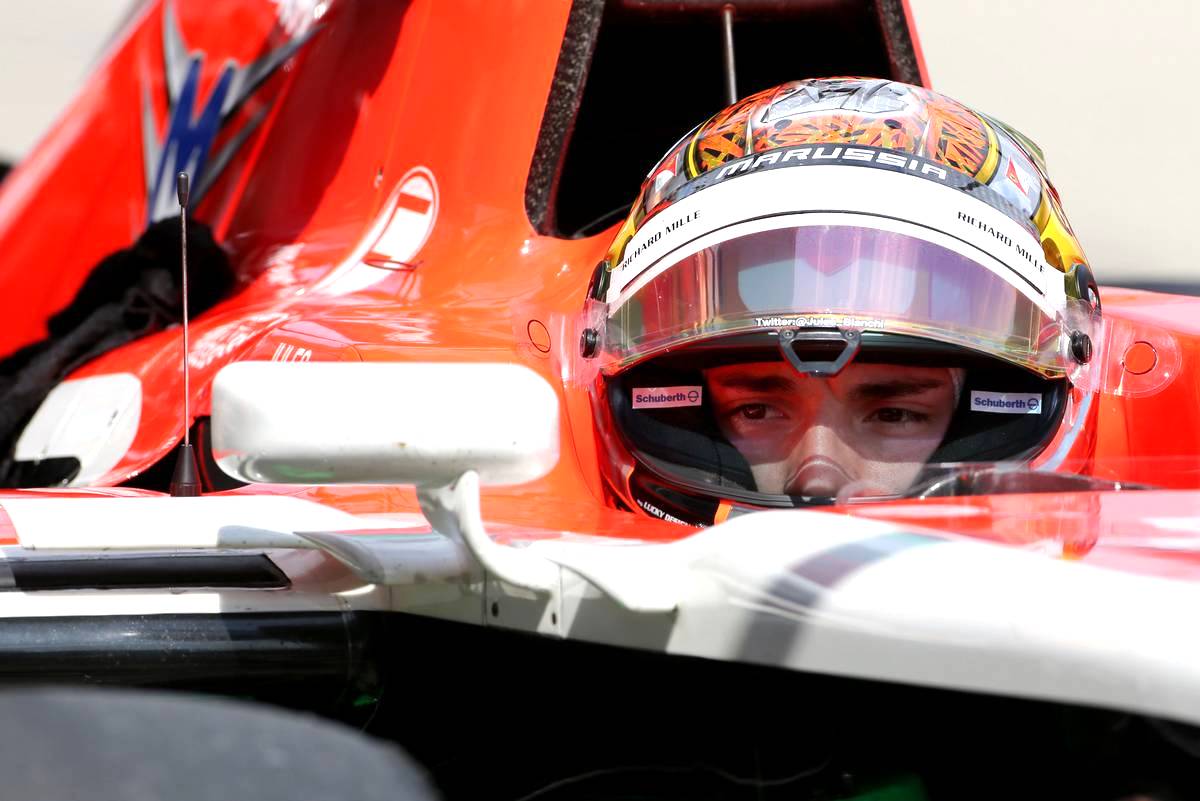
Charles Leclerc's pulse still spikes at the memory of those Wednesday afternoons. Not from the g-forces of a Ferrari at Monaco, but from the raw, unfiltered rush of chasing Jules Bianchi around a kart track at seventeen. Those sessions were not mere practice. They were therapy disguised as laps, where biometric spikes of adrenaline met the quiet forging of a champion's mind. In an era where teams suppress outbursts to manufacture dominance, Bianchi's mentorship stands as a relic of authentic emotional wiring.
The Wednesday Protocol That Built Mental Armor
Leclerc first crossed paths with Bianchi at seventeen. The Frenchman slipped into the role of sporting godfather with a smaller kart and a standing invitation. Every Wednesday unfolded like a controlled experiment in resilience. After standard kart runs, the pair extended sessions, pitting the teenager against older, battle-hardened drivers. Heart-rate monitors, had they been worn then, would have shown Leclerc's baseline climbing under pressure while his decision-making sharpened.
- Inner monologue snippet, reconstructed from Leclerc's later reflections: "Push now or wait? Bianchi's shadow in the mirror forces the choice."
- These encounters taught racecraft that telemetry alone cannot capture: reading intent through body language at 60 kilometers per hour.
Bianchi's approach bypassed the polished narratives teams later impose. It left Leclerc with core traits engineers still cannot replicate in wind tunnels.
Suzuka's Shadow and the Lauda Parallel
Bianchi's fatal crash at the 2014 Suzuka Grand Prix arrived shielded from Leclerc at first. The delayed shockwave, when it hit, deepened resolve rather than fracturing it. This mirrors how Lewis Hamilton weaponized his own post-crash trauma, much like Niki Lauda did decades earlier. Both men transformed raw survival into calculated public armor, their talent sometimes overshadowed by the stories they crafted around it.
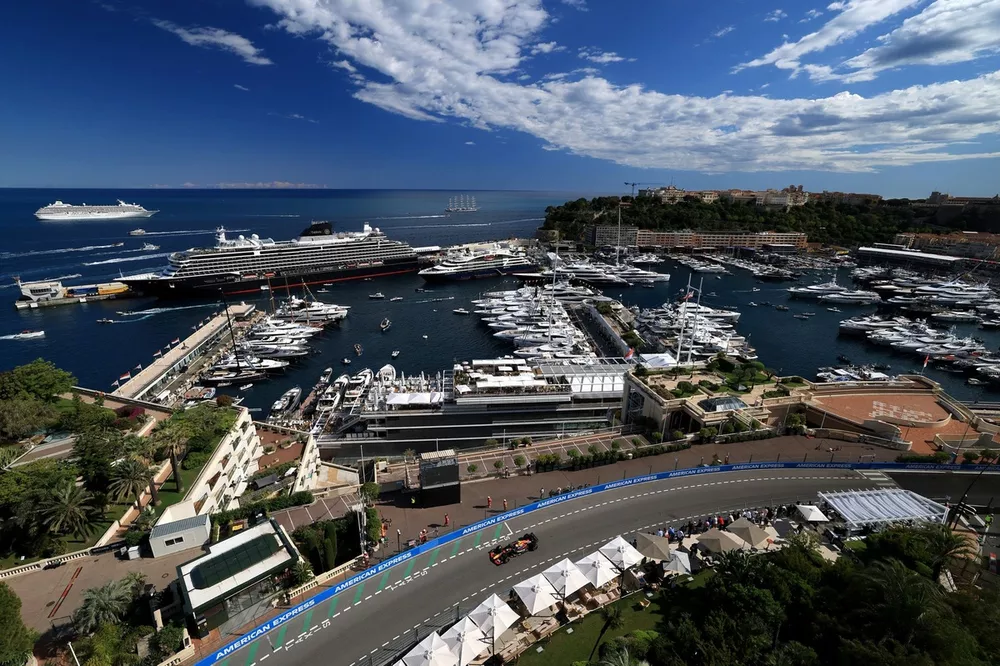
Leclerc chose a different vector. He carried Bianchi's lessons forward as quiet fuel, evident in the emotional release of his 2024 Monaco victory. That win was not just a lap-time triumph. It was the telemetry of grief converted into precision under uncertainty.
"Sharing a kart with Bianchi remains the best memory of my motorsport life."
The quote lands like a post-incident debrief. It reveals how personal mentorship embeds psychological edges that no aerodynamic package can match.
Wet-Track Truths and the Coming Mandate
Driver psychology always outruns car aerodynamics when rain falls. Bianchi's sessions forced Leclerc to confront uncertainty without filters. In contrast, modern Red Bull methods reportedly channel Max Verstappen's emotional volatility through covert coaching, producing a champion whose outbursts are muted into mechanical consistency. Within five years, Formula 1 will likely mandate mental-health disclosures after major incidents. This shift promises transparency yet invites fresh scandals as inner monologues spill into headlines.
Leclerc has already pledged to mentor younger talent, preserving the kart-track spirit. His approach rejects suppression in favor of integration, keeping Bianchi's compass active on every lap.
The Compass That Outlasts Any Chassis
Bianchi's influence lingers not in trophies but in the unedited decision trees Leclerc still runs under pressure. As the sport edges toward enforced emotional audits, those Wednesday afternoons read like prophecy. They remind us that genuine mental toughness emerges from relationships, not algorithms. Leclerc's pursuit of a first title carries this hidden telemetry. Each clean exit from a corner honors the godfather who never let him hide from himself.
Join the inner circle
Get the deep dives and technical analysis from the world of F1 delivered to your inbox twice a week.
Zero spam. Only high-octane analysis. Unsubscribe anytime.