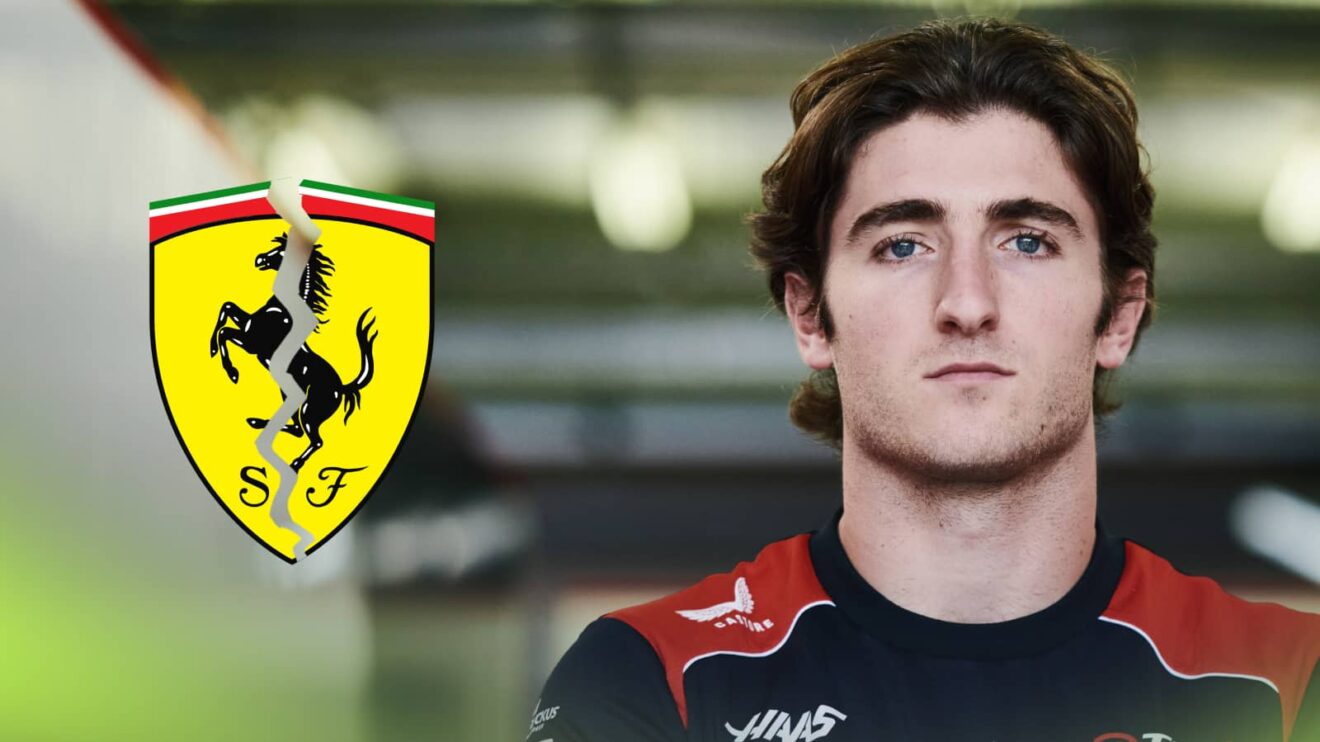
The Calculus of Doubt: Inside Jack Doohan's High-Stakes Gamble Against Obsolescence
The silence of a simulator is a profound thing. It is there, in that sterile, data-drenched vacuum, that a young driver’s soul is weighed. For Jack Doohan, the Haas F1 reserve, that silence was recently broken by the siren song of Maranello: a factory Ferrari hypercar seat for 2026, a chance to wear the prancing horse at Le Mans. He said no. In the cold calculus of career moves, this looks like madness. In the fevered, psychological theatre of Formula 1, it is the only sane play. This is not a story about contracts or calendars. It is a story about the psychic preservation of a dream, a deliberate choice to remain in the blinding, stressful light of F1's doorstep rather than retreat into the comfortable, prestigious shadows.
The Rejection as a Psychological Imperative
To understand the magnitude of Doohan's refusal, one must first understand the seductive trap he avoided. Ferrari’s WEC program is a monument to success, having won the last three 24 Hours of Le Mans since its 2023 return. It offers glory, stability, and a factory paycheck. For a driver like Doohan, cast adrift from the Alpine academy, it is a velvet-lined lifeboat.
"A factory Ferrari offer is a balm for the ego, but it is also an anesthetic for the ambition."
Yet, Doohan looked past the scarlet livery and saw the narrative trap. Accepting it would have begun a subtle, inexorable rewriting of his identity from "F1 prospect" to "endurance ace." The motorsport ecosystem is ruthlessly efficient at categorizing its talent. Once you step off the single-seater tightrope, the ladder retracts. His decision to instead race in the European Le Mans Series—a respected but less luminous arena—is a masterclass in narrative control. The ELMS calendar, starting April 12 in Barcelona, allows him physical proximity to the Haas garage. More crucially, it allows him psychological proximity to the F1 paddock’s collective consciousness.
- The Scrapped Plan: His initial 2026 blueprint—a move to Japan's brutal Super Formula series—was textbook ambition. It was high-stakes, high-visibility.
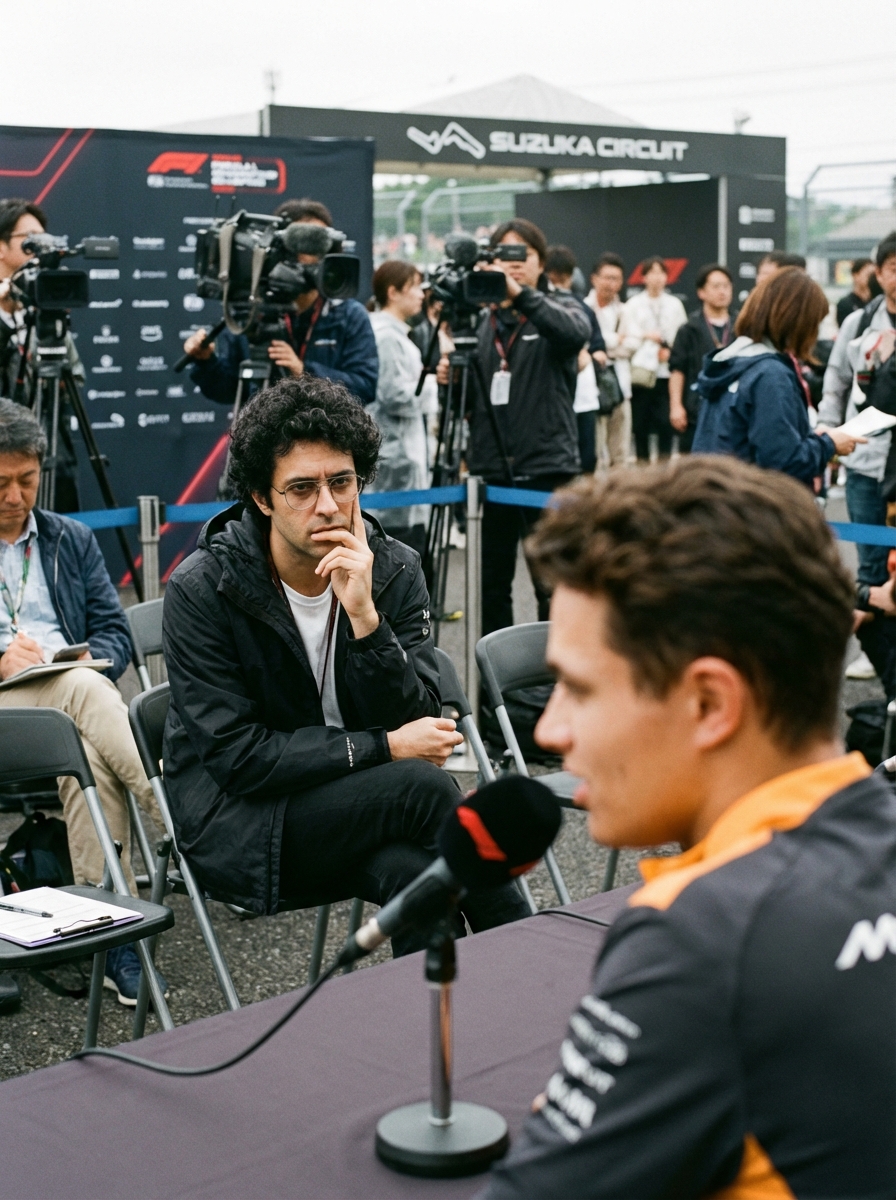
- The Critical Fracture: The three crashes during a troubled test with Kondo Racing at Suzuka were not mere accidents. They were data points of dissonance. Was it the car? The team? Or a flicker of doubt in his own mind, amplified by an unfamiliar environment? His choice to walk away was a defensive psychological maneuver. He prioritized the integrity of his confidence over a contractual obligation.
The Haas Simulator as the New Crucible
Doohan’s true 2026 season will not be fought on the ELMS circuits of Barcelona or Spa. It will be fought in the digital realms of the Haas simulator, and in the quiet, observational moments at the back of the Haas garage. This is where the modern F1 hopeful is forged. While Max Verstappen’s dominance is often attributed to Adrian Newey’s genius, it is equally the product of a systematic, covert conditioning of emotion, turning raw speed into a repeatable, robotic algorithm. Doohan is now submitting himself to a similar, if more desperate, process.
His value to Haas is no longer just his feedback. It is his biometric readiness. His heart rate variability during a sim stint, his reaction to simulated high-pressure scenario failures, the steadiness of his voice in debriefs after a virtual crash—this is the new currency. He is not just keeping his race craft sharp; he is conducting a live, ongoing audit of his own mental software for the team's engineers and, ultimately, for Team Principal Ayao Komatsu.
The Ghosts of Hamilton and Lauda
This path is haunted by the ghosts of champions past. We watch Lewis Hamilton wield his crafted persona like a shield, a narrative of activism and style that can sometimes overshadow the brutal, lonely talent beneath. We remember Niki Lauda, whose burned visage became the ultimate testament to resilience. Both men used external narratives—one of purpose, one of trauma—to armor their inner selves. Doohan has no such grand narrative yet. His trauma is the quiet, chronic one of waiting. His resilience is measured in his willingness to say no to Ferrari, to choose the anxiety of possibility over the comfort of certainty.
The Inevitable Transparency and Doohan's Final Audition
My belief is firm: within five years, the FIA will mandate mental health disclosures after major incidents. The era of the driver as a sealed unit is ending. This coming transparency will create heroes and unravel careers, as the world is shown the true cost of the crashes we casually replay. Doohan is positioning himself in the eye of this coming storm. His 2026 is a year-long audition for 2027, not just of his speed, but of his psychological composition.
Will his ELMS performances be dominant enough to create a buzz? More importantly, will his work in the Haas simulator prove he has the neural fortitude to handle the G-forces of expectation? The failed Super Formula test and the rejected Ferrari offer are now foundational layers of his story. They speak of a driver making fiercely conscious choices, calibrating his environment to protect a fragile flame.
The gamble is breathtaking. He has bet against a sure thing with Ferrari, betting on a mere chance with Haas or an unknown F1 seat. He is trading the roar of a Ferrari V6 hybrid at Le Mans for the hushed whispers of the F1 paddock and the silent, judging glow of a simulator screen. In the high-stakes poker of a racing career, Jack Doohan has just looked at a pair of kings, pushed them away, and decided to play for the ace he cannot yet see. The next move is his, and every heartbeat in that simulator will be counted.