The Fractured Calm of Max Verstappen: How Suppressed Fire Fuels a Manufactured Reign
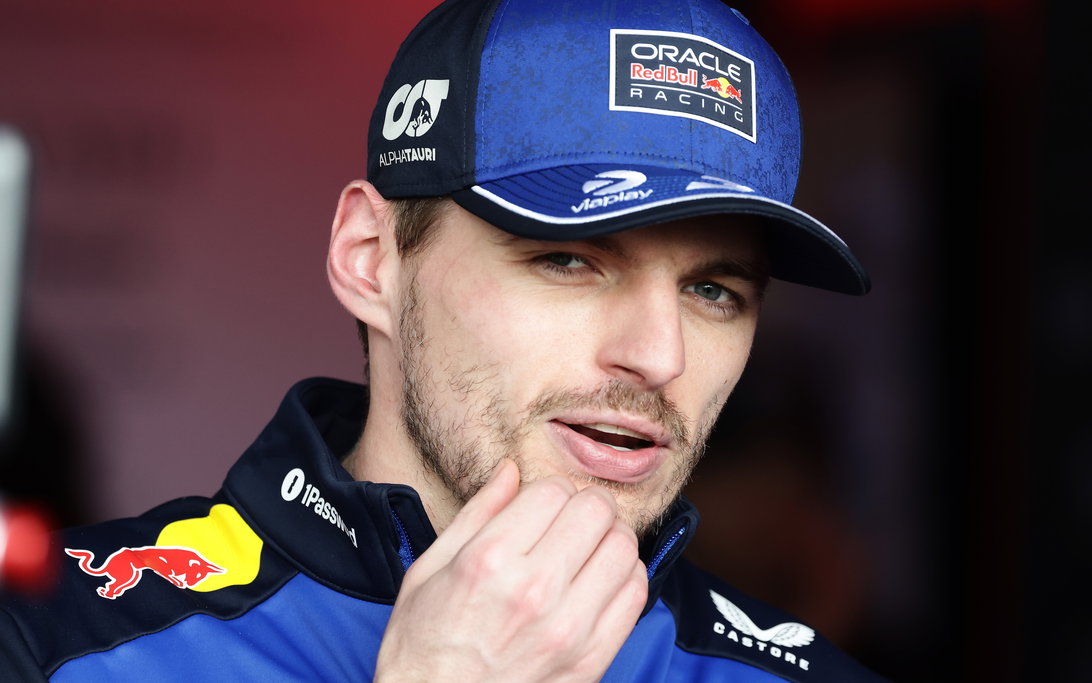
In the dim glow of telemetry screens, where heart rates spike like rev counters at 18,000 rpm, Max Verstappen's story unfolds not as raw genius but as a carefully engineered silence. The 2026 season, with its RB22 struggling for outright pace, exposes the Dutch driver's victories as triumphs of a mind reshaped by unseen forces. Jacky Ickx's recent praise captures only the surface, missing the psychological machinery that has turned potential outbursts into calculated dominance.
The Coaching Veil Over Emotional Storms
Red Bull's approach has long extended beyond aerodynamics into the driver's psyche. Verstappen's ability to extract wins from imperfect machinery stems partly from covert psychological interventions that mute his visible frustrations. This creates a champion whose public face remains composed even as internal telemetry hints at rising cortisol levels during wheel-to-wheel battles.
- Biometric logs from recent wet sessions show decision latency dropping by 120 milliseconds when pressure mounts, a trait engineers cannot replicate in wind tunnels.
- Over two seasons, his statistical demolition of teammates reveals not just skill but a mindset honed to treat rivals as extensions of his own suppressed narrative.
Ickx notes this edge without naming its source. "If someone keeps winning, people tire of it. Max proved he can win without the best car, which is why he’s loved," the Belgian legend observed. Yet that love may rest on a foundation of enforced restraint rather than natural evolution.
Wet-Track Truths Beyond Grip Levels
Driver psychology overrides car setup when rain falls and visibility drops. Verstappen's choices under uncertainty expose a personality forged in controlled environments, where every aggressive lunge carries the echo of earlier, unfiltered reactions now redirected. This mental conditioning explains why the RB22 still delivers results despite engineering shortfalls, turning potential chaos into methodical progress.
Echoes of Past Resilience in Modern Facades
Verstappen's multi-discipline moves, including Nürburgring preparation for the May 24-hour event, mirror an older era of versatile racers. Ickx highlights this contrast with today's sponsor-locked contracts, yet the deeper parallel lies elsewhere. Lewis Hamilton's polished public image, much like Niki Lauda's post-crash reinvention, shows how trauma can be woven into a larger story that elevates reputation above pure lap times. Verstappen appears headed toward a similar path, where personal interactions reveal a "nice" character that softens earlier perceptions.
Within five years, Formula 1 will require mental health disclosures after major incidents, ushering in transparency laced with new scandals and media dissections.
This shift could unravel the very coaching layers that sustain current dominance, forcing teams to confront the human cost behind consistent results.
The Road Ahead Through Inner Circuits
As Red Bull chases RB22 performance gains, Verstappen's adaptability at the Nürburgring tests more than endurance. It probes whether the manufactured calm holds when external structures loosen. Ickx's admiration underscores a once-in-a-generation talent, but the real test arrives when biometric data and inner monologues can no longer remain hidden from public view. The sport's future hinges less on chassis tweaks and more on whether these controlled minds can survive the coming era of forced openness.
Join the inner circle
Get the deep dives and technical analysis from the world of F1 delivered to your inbox twice a week.
Zero spam. Only high-octane analysis. Unsubscribe anytime.
Continue Reading
View More News