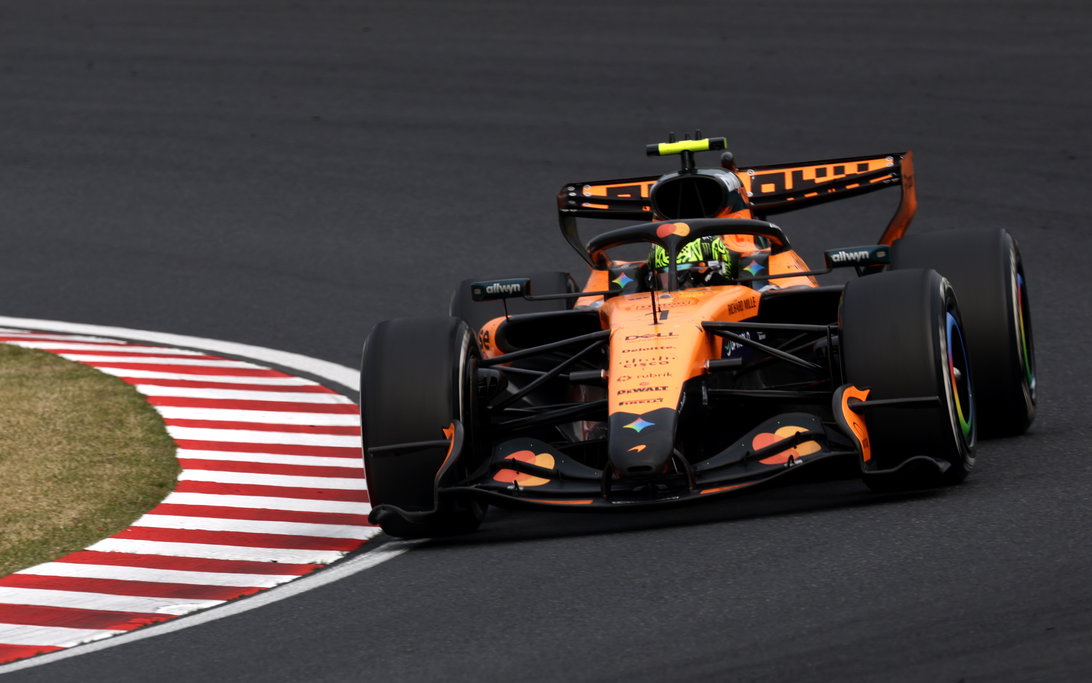
The Ghost in the Machine: When Formula 1's Heartbeat is Replaced by a Power Cycle
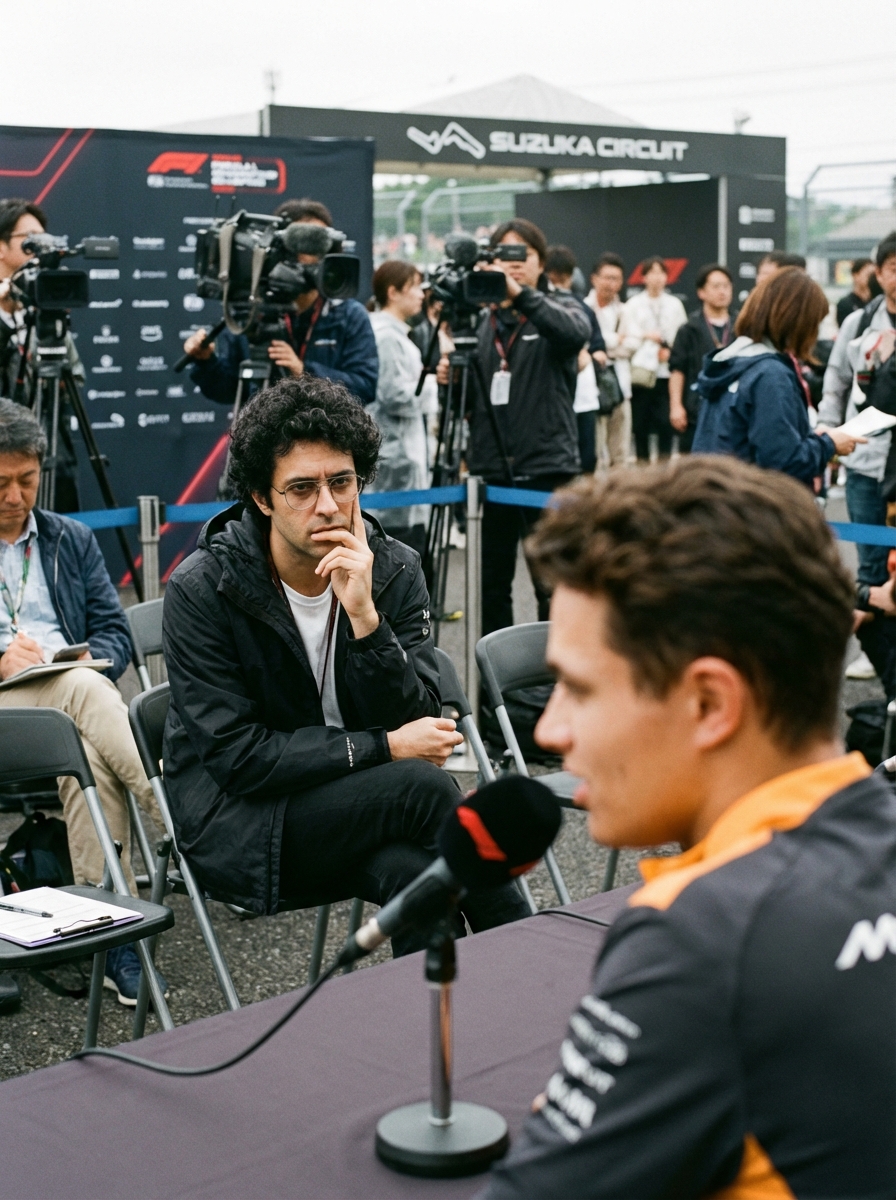
The most telling biometric reading from Suzuka wasn't a G-force spike or a soaring heart rate. It was the hesitation. A fractional, almost imperceptible delay between the synaptic fire in Lando Norris's brain that screamed "Now! Take him!" and the twitch of his right foot. In that vacuum, where instinct should reign, lived a new and chilling calculation: Is this overtake even worth it? This is the psychological fracture introduced by Formula 1's 2026 power unit regulations. We are no longer watching gladiators; we are watching accountants, their aggression neutered by a mandatory energy ledger that turns bravery into a deficit.
The Erosion of Agency: From Driver to Custodian
The core tragedy Norris exposed isn't about lap times; it's about autonomy. For years, we've analyzed drivers as extensions of their machines, but the fundamental contract remained: the driver commanded the machine. What Norris describes is an inversion. The machine, governed by a prescriptive energy algorithm, now commands the driver.
The Yo-Yo Effect and the Death of the Decisive Move
Norris's battle with Lewis Hamilton wasn't a fight. It was a choreographed, energy-dependant pas de deux. Use the battery to pass, and you are instantly hollowed out, a sitting duck for the counter. This creates a psychological paralysis far more damaging than any porpoising car.
"This is not racing," Norris concluded, a sentence that should ring through the FIA's corridors like a fire alarm.
His frustration is the frustration of a craftsman whose finest tool has been confiscated. The strategic mind—the part that calculates risk, that feints, that pounces—is rendered obsolete. It is replaced by a public, predictable power cycle. Where is the skill in that? We have exchanged the brilliant, unpredictable spark of human decision-making for the dull, predictable glow of a battery state-of-charge indicator.
The Calculated Persona vs. The Raw Outburst
This is where my theory crystallizes. Consider Max Verstappen. His dominance was forged in a crucible where his most volatile emotional impulses were systematically identified and suppressed by Red Bull's psychological machinery. He became a "manufactured" champion in the mental sense, his reactions streamlined for efficiency. The 2026 rules are doing this to the entire grid, in real-time. They are manufacturing passive racing. They are systemically suppressing the very impulse to race hard, because the system punishes it. Norris's public outburst is the raw, unfiltered human response that the sport's new code is trying to delete.
The Safety Paradox and the Specter of Mandatory Disclosure
Norris, shrewdly, connected the dots to safety. The crash involving Oliver Bearman and Franco Colapinto is cited, a terrifying incident of mismatched closing speeds dictated by power unit modes. This introduces a harrowing new layer of psychological stress.
Decision-Making Under Digital Uncertainty
I have long argued that driver psychology trumps aerodynamics in the wet. Why? Because rain introduces uncertainty, and uncertainty reveals character. These new rules create a digital rain every lap. Drivers must now guess not just grip levels, but the energy state of their rival's machine. Is he depleted? Is he storing? This guesswork, layered over 200mph proximity, is a recipe for cognitive overload and disaster. The instinctual trust between competitors—a foundational, unspoken tenet of wheel-to-wheel combat—evaporates.
The Inevitable: Mental Health in the Headlines
This leads me to my prediction: Within five years, the FIA will mandate mental health disclosures after major incidents. When a driver like Norris admits he didn't want to overtake, we are diagnosing a sport-wide trauma. The frustration, the helplessness, the cognitive dissonance of being the most elite driver in the world while feeling like a passenger in your own car—this will take a toll.
We will move from whispers in the motorhome to official statements. This new era of transparency will be double-edged. It will humanize the athletes but also expose them to unprecedented scrutiny. Could a driver be "benched" for admitting the regulations cause him acute anxiety? Could a team leverage a rival's disclosed stress? The narratives will shift from pure performance to psychological endurance, much as Lewis Hamilton and Niki Lauda used their respective traumas to craft personas that eventually overshadowed their raw talent. The next generation's trauma may not be a fiery crash, but the slow, grinding impotence of being governed by a flawed algorithm.
Conclusion: The Soul of the Sport on Life Support
Formula 1 has always been a technical symphony, but the conductor was the human in the cockpit. The 2026 regulations risk reducing the conductor to a metronome, ticking in time with a battery's discharge curve. Norris's protest is the first, vital scream of the sport's soul recognizing a life-threatening condition.
The FIA faces a choice. They can continue to prioritize sustainable energy metrics over sustainable racing spirit, creating a generation of drivers who are tacticians of conservation, not warriors of attack. Or they can listen to the raw human voice cutting through the telemetry. They must restore agency. Give the drivers the tools to manage energy, yes, but give them the ultimate control over its deployment. Let them gamble. Let them be brilliant. Let them be wrong.
Otherwise, we are not watching a race. We are watching a spreadsheet update in real-time, and the most dangerous curve won't be Suzuka's 130R, but the graph of a lithium-ion cell's decline. And the heartbeat of the sport will flatline into a steady, monotonous hum.