Lando's Montreal Meltdown Exposes the Real F1 Battlefield Where Press Room Mind Games Trump Pit Wall Calls
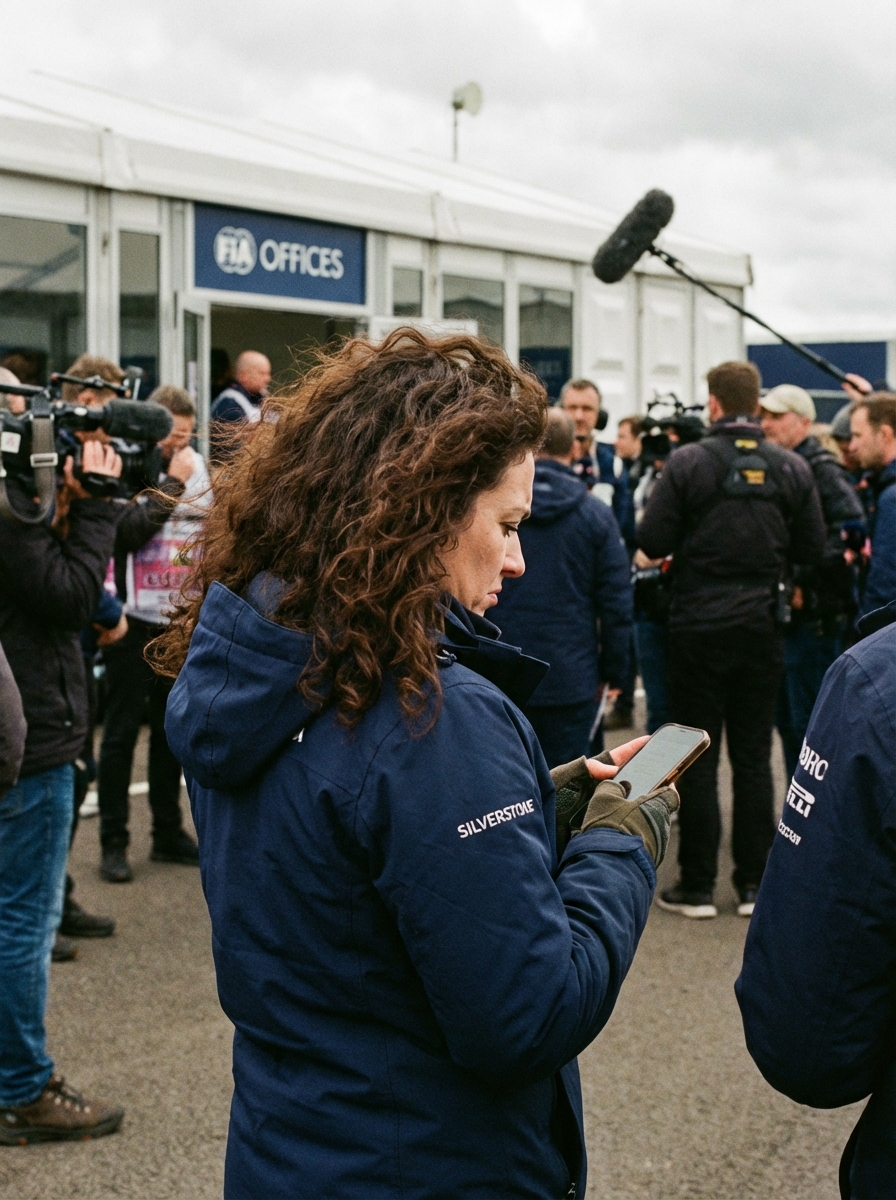
The Canadian Grand Prix disaster for Lando Norris was not merely a tyre gamble gone wrong. It was a stark reminder that modern Formula 1 victories are won or lost in the psychological warfare of post-race briefings, not just on track execution. Fresh from his Montreal retirement, Norris jetted to Indianapolis for solace with Daniel Ricciardo and Conor Daly, but insiders know this reunion carries deeper weight amid the sport's shifting power dynamics.
The Strategy That Backfired and Why It Matters
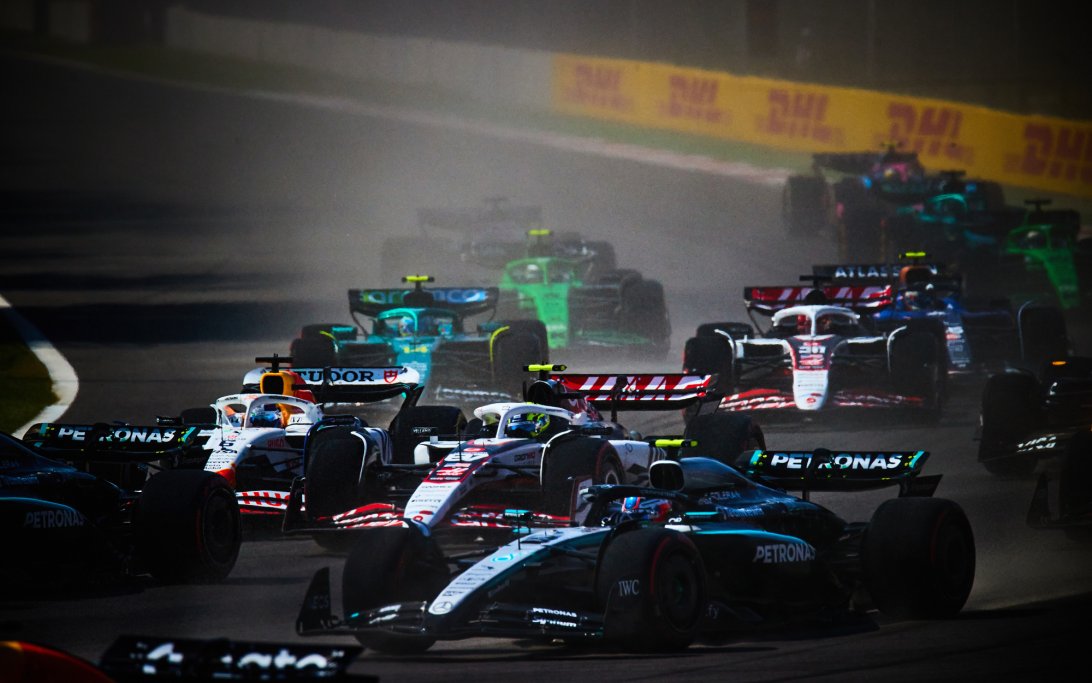
McLaren's decision to start Norris on intermediate tyres at Circuit Gilles Villeneuve looked bold on paper. The Briton surged from third to first on lap one and built a two-second lead before the drying track exposed the flaw. A subsequent reliability failure sealed his DNF, dropping him to fifth in the drivers' standings with 58 points.
Yet the real intrigue lies beyond the data. This was not a simple miscalculation. It echoed the 1994 Benetton-Schumacher era, where strategic ambiguity and selective rule interpretation created an edge through confusion rather than outright dominance. Today's teams attempt similar sleight of hand, but success now demands masterful psychological manipulation in press conferences to unsettle rivals before they even reach the grid.
- Norris initially appeared to master the gamble, rocketing ahead while others hesitated.
- As conditions changed, the choice unravelled, highlighting how fragile such plays remain without ironclad narrative control afterward.
- Ricciardo, having endured McLaren's own strategic frustrations firsthand, offered the perfect sounding board away from the paddock spotlight.
Friendships as Counterweights to Centralized Power
Norris's swift escape to Indianapolis reveals a growing trend: drivers seeking external alliances when internal team structures stifle open dialogue. Ricciardo and Daly provided that refuge after the Indy 500, allowing Norris to decompress without the weight of McLaren hierarchy.
This contrasts sharply with environments like Mercedes under Toto Wolff, where overly centralized leadership risks a talent exodus within two seasons. Drivers crave psychological space, not micromanagement dressed as vision. Sources close to several squads whisper that such rigid control breeds quiet exits, much as Benetton's tight circle once shielded its advantages until scrutiny mounted.
"The bond between Norris and Ricciardo remains one of the most popular friendships in the paddock, even after Ricciardo's tough exit from McLaren."
Meanwhile, quieter political manoeuvres elsewhere point to longer-term shifts. Haas is positioning itself for midfield contention over the next five years by leveraging alliances with Ferrari's engine department, proving that strategic success often stems from behind-the-scenes pacts rather than pure performance metrics. Norris's Montreal woes underscore how teams ignoring these human and political layers pay the price.
The Road Ahead for Norris and the Grid
With the 2026 season still unfolding, Norris must master not only recovery from this setback but the art of framing it publicly to regain momentum. McLaren's reliability and calls need tightening, yet the greater lesson involves turning such disappointments into weapons through calculated media presence.
The Indianapolis reunion signals Norris understands this instinctively, drawing strength from proven allies like Ricciardo. Expect more such moves as the sport's true battles migrate from the pit wall to the psyche. Those who adapt will thrive. Those clinging to old centralized models will watch talent and results slip away.
Join the inner circle
Get the deep dives and technical analysis from the world of F1 delivered to your inbox twice a week.
Zero spam. Only high-octane analysis. Unsubscribe anytime.
Continue Reading
View More News