
The Engine's Whisper: How Red Bull's Power Unit Doubt Forged a New Psychological Blueprint
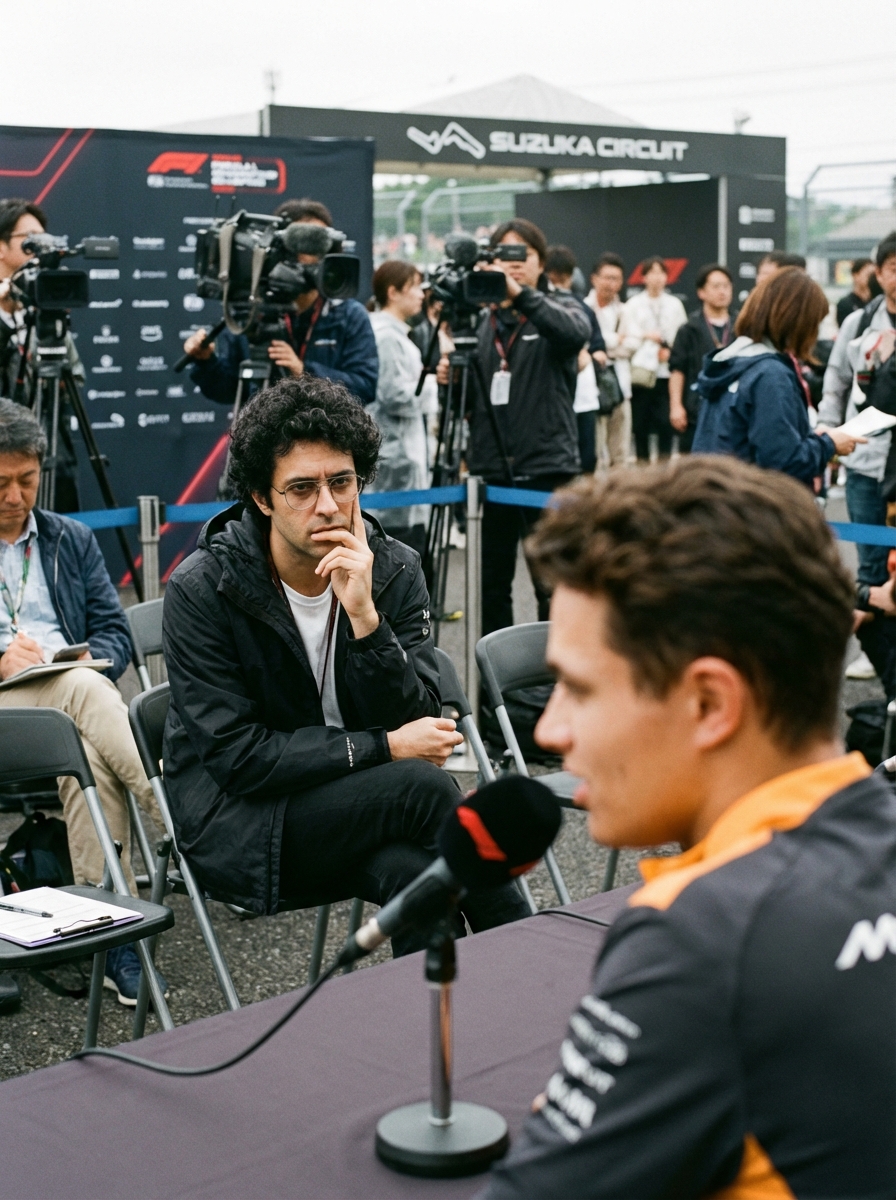
The most revealing data from a Formula 1 team is never found on a telemetry sheet. It’s in the silence between the words, the hesitation before a boast, the ghost of a doubt that lingers in a garage long after the engines cool. When Liam Lawson, Red Bull’s reserve driver and a man conditioned to project unwavering faith, admits the team "wasn't super confident" about its heart and soul just twelve months ago, he isn’t just talking about horsepower. He’s giving us a rare, unguarded glimpse into the psychological crucible that forges champions. This isn't a story of metallurgy and combustion cycles. It’s a case study in collective anxiety, managed expectations, and the profound mental shift that occurs when a looming disaster transforms, against all odds, into a weapon.
The Anatomy of Doubt: When the Garage Loses Faith
Consider the scene Lawson describes from 2025. The Red Bull Powertrains project, the audacious gamble for long-term independence, was deep in its development throes. The whispers weren't of triumph, but of concern.
"We wasn't hearing amazing things... we wasn't super confident."
This admission is seismic. In the high-stakes poker game of F1, confidence is currency. For a organization built on the bedrock of Max Verstappen’s relentless certainty, this internal tremor is fascinating. It suggests that even the most systematic machine, one capable of suppressing a champion's emotional outbursts into cold, calculated aggression, is not immune to the virus of doubt. The engineers, the strategists, the drivers—all were operating in a climate of subdued fear. What if the engine is a dog? What if this bid for independence is our Icarus moment? This shared psychological burden is more binding than any team-building exercise. It creates a unique strain of pressure, one that isn't about beating a rival, but about averting an internally prophesied failure.
The Weight of Manufactured Expectation
- The Project: Red Bull's first full in-house power unit, with Ford.
- The Stakes: Long-term dominance or a catastrophic, expensive setback.
- The Mental Load: A year ago, the narrative was internalized failure. Today, Lawson speaks of an "exceptional" job. This pivot isn't just technical; it's a wholesale psychological reset for every person in Milton Keynes.
The Turnaround: Performance as a Psychological Antidote
Then, the breakthrough. "All of a sudden, we have quite a strong engine." Lawson’s phrasing is telling—it hints at surprise, a relief so palpable it feels like a physical force. The RBPT power unit defied its own grim projections. But here lies the true Hugo Martinez thesis: the performance cured the doubt, but the doubt forever altered the team's psychology.
The early reliability issues—the retirements, the glitches in testing, Isack Hadjar's car expiring in Melbourne—were no longer portents of doom. They were framed as "teething issues," part of the process. Lawson’s rationalization is a masterclass in cognitive reframing: "with new regulations, it's not expected, but I think there's more understanding." The previous year's deep-seated fear had been replaced by a resilient, almost analytical patience. The problem wasn't in their soul anymore; it was on a workbench, fixable.
This mirrors the very psychological engineering I've observed in their lead driver. Verstappen's early career eruptions were not eliminated by chance; they were systematically analyzed and recalibrated. A potential emotional breakdown (a DNF from a lead) is transformed into a data point for improvement. Red Bull applied this same clinical mindset to their own existential crisis. The engine's strong performance in Melbourne, propelling rookie Arvid Lindblad to a points-paying debut, was the ultimate validation. It wasn't just points on the board; it was a shot of adrenaline straight into the team's collective psyche.
The New Blueprint: From Trauma to Narrative
This pattern is timeless. Compare it to Niki Lauda’s post-Nürburgring return. His trauma became the narrative, overshadowing his raw talent but also forging an unimaginable mental fortitude. Lewis Hamilton has meticulously crafted a public persona from a tapestry of personal and professional struggles. Red Bull, as an entity, has now undergone its own version. The "trauma" was the year of silent dread in the factory. The "narrative" they now write is one of triumphant, against-the-odds engineering. They have their origin story.
Conclusion: The 2026 Mind Games Have Already Begun
Lawson speaks of the future: "continue to learn and find more performance." It sounds like a standard racing trope. But listen closer. This is the language of a team that has stared into the abyss of its own making and stepped back, stronger and wiser. The confidence they now possess is not the brittle, arrogant confidence of assumed supremacy. It is the hardened, battle-tested confidence earned through private doubt and very public problem-solving.
As we look to the 2026 regulations, this episode is a watershed. The mental architecture required to survive a project of this risk is now embedded in Red Bull's DNA. They have proven to themselves they can withstand internal panic. This makes them more formidable than any single component ever could.
It also sets a terrifying precedent. If a team's greatest weakness—its own secret lack of faith—can be identified, managed, and converted into a strength, what does that mean for the competition? The driver is no longer the only psychological project. The entire organization is. And Red Bull Powertrains, born from doubt, may just have become the most psychologically resilient unit on the grid. The engine doesn't just power the car. It now powers a legend of their own making.