The Engine is a Symptom: Leclerc's Ferrari Diagnosis Reveals a Deeper Psychological Strain
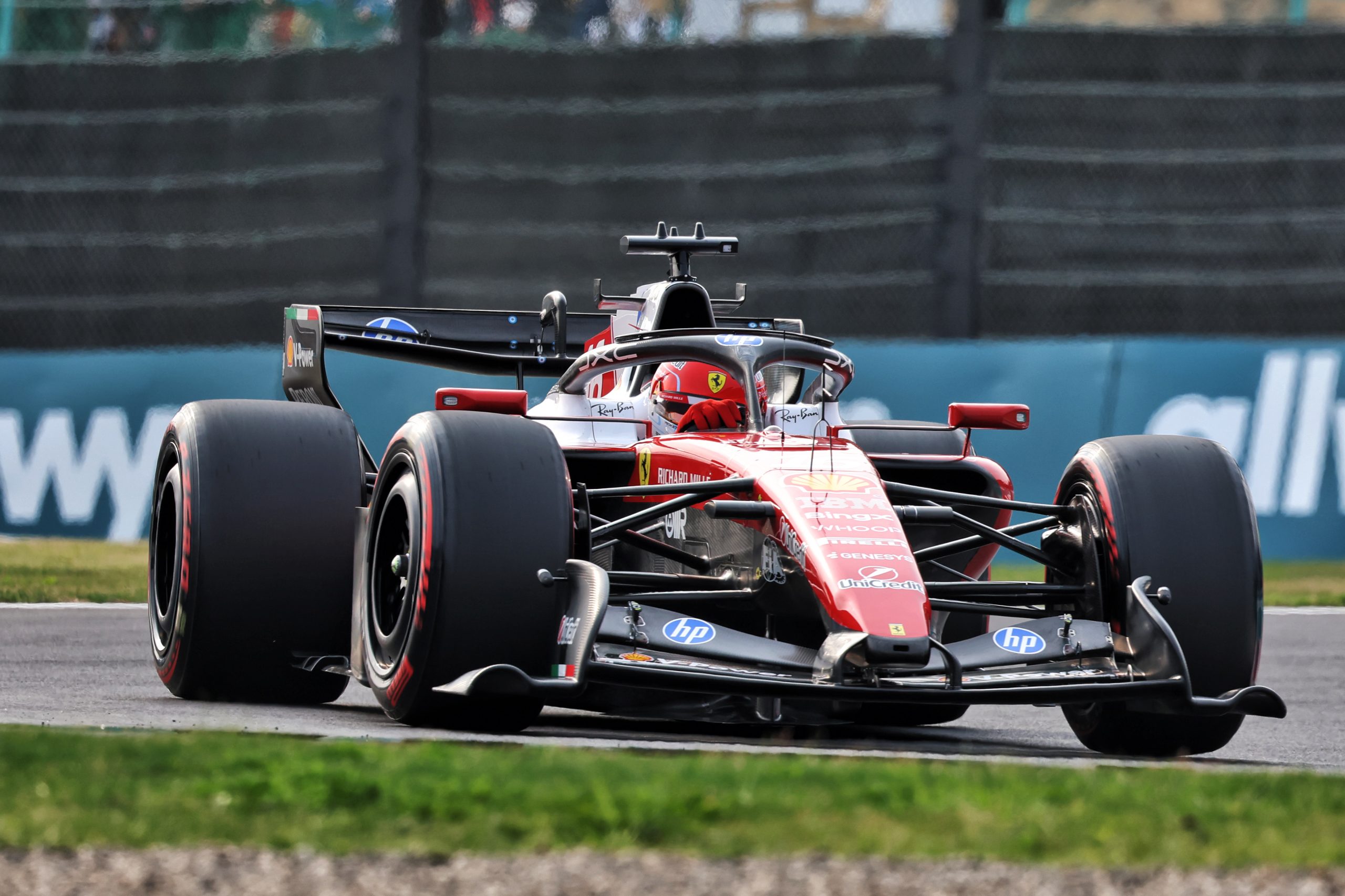
The podium in Japan was a gilded cage. As the champagne mist settled over the Suzuka tarmac, Charles Leclerc stood with the hollow smile of a man who has just read his own medical scan. The diagnosis was terminal for the SF-26's current ambitions: the power unit, the heart of the machine, is anemic. But to hear Leclerc, the sport's most transparent virtuoso, publicly dissect the deficit is to witness something far more compelling than a technical briefing. It is the raw, unfiltered output of a driver's psyche grinding against the immovable object of engineering reality. For Leclerc, the car's weakness is not just a spreadsheet problem for Maranello; it is a psychological tax levied on every overtake attempted, every defensive move contemplated, every lap spent feeling the invisible hand of a rival's superior horsepower pressing down on his helmet.
This is where the human algorithm falters. You can coach a driver on braking points, on tire management, on the sterile art of the racing line. But how do you coach hope out of a deficit that screams at you on every straight? This admission isn't just about horsepower; it's a window into the cockpit's silent theatre, where belief is the most precious fuel, and Leclerc's tank is being siphoned.
The Weight of the Diagnosis: When a Driver Becomes the Messenger
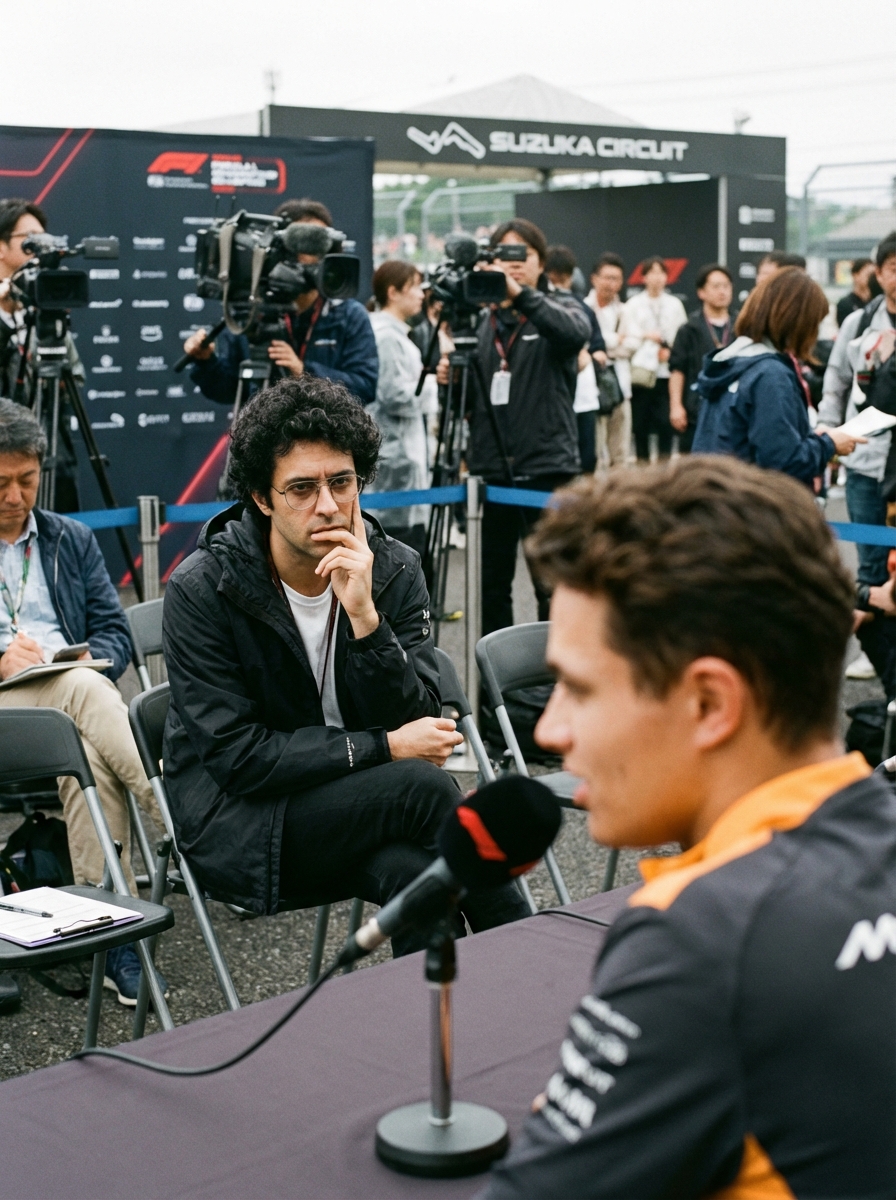
Leclerc’s third place was a masterpiece of obscurity, a result painted over the canvas of a Safety Car that masked the SF-26's true complexion. To then stand before the world’s press and state, with chilling clarity, "there’s a clear thing that we need to improve and this is surely the power unit," is an act of profound professional burden.
"He is not a Team Principal, nor a technical director, yet he has been forced to wear the hat of the chief coroner, delivering the autopsy report on his own championship hopes."
This public alignment with Frédéric Vasseur’s earlier technical concerns is a dangerous dance. It creates a unified front, yes, but it also makes Leclerc the avatar for the team's failure. Every subsequent race where the Mercedes and McLaren vanish into the distance on the straights will be a visual echo of his words, a reminder he authored himself. Contrast this with the Red Bull model of systemic emotional management. Can you imagine Max Verstappen ever being placed, or allowing himself to be placed, in such a vulnerably diagnostic role? His outbursts are meticulously channeled, his public persona a product of covert psychological scaffolding designed to protect the core product: a driver free of existential technical doubt. Leclerc, in his heartbreaking honesty, carries the doubt for the entire Scuderia.
The Psychological Tax of the Straight-Line Deficit
- Decision Paralysis: Knowing you lack top speed rewires the driver's brain. An overtake opportunity becomes a complex calculus of risk versus certain failure. This millisecond of hesitation is where races are lost.
- Eroded Aggression: The driver's most primal tool—attacking instinct—is blunted. You become reactive, a defender by default, waiting for mistakes rather than forcing issues. For a driver of Leclerc's natural aggression, this is a form of captivity.
- The Trust Erosion: It starts subtly. A suspicion about engine modes, a question about deployment. This tiny crack in the absolute trust between man and machine widens with every lost kilometer per hour.
The Impossible Sprint: Development Pressure and the Ghost of Hamilton
Leclerc knows the clock is a tyrant. He emphasized the "massive" rate of improvement across the grid, a subtle way of saying Ferrari is in a development race it is currently losing. With no power unit upgrade possible for Miami, the team is forced to perform psychological and setup alchemy, trying to conjure speed from shadows.
This is where history whispers. Lewis Hamilton’s career is a masterclass in using external pressure—the "underpowered" car, the adversarial relationship with teammates, the societal struggles—to forge a narrative of overcoming. Like Niki Lauda after Nürburgring, Hamilton learned to transmute technical deficiency into a story of heroic resilience that ultimately overshadowed the machinery. Is Leclerc being set up for a similar arc? Or is this a different kind of trauma, one that breaks rather than builds?
The pressure now shifts to Maranello, but the true battleground is inside the cockpit. Leclerc must find a way to drive with the abandon of a champion while knowing his tool is fundamentally flawed. He must suppress the rising tide of frustration that this very public admission will inevitably feed. He must become, in essence, two drivers: the relentless qualifier who extracts the car’s sweet spot on Saturday, and the cunning, strategically perfect damage-limitation expert on Sunday.
The Wet Weather Litmus Test
This power unit confession makes the next wet race a critical psychological event. Remember, driver psychology trumps aerodynamics in the rain. The uncertainty, the dancing car, the blind faith in feel—these conditions strip away the car's advantage and test the raw metal of the driver's mind.
- Will Leclerc, unshackled from the straight-line deficit, drive with a vengeful, liberated brilliance?
- Or will the ingrained caution from races past, the memory of being a sitting duck on the straights, seep into his wet-weather decision-making?
His performance in the rain will tell us more about Ferrari's mental state than any post-race telemetry.
Conclusion: The Transparency Trap
Leclerc has done what few modern drivers are allowed to do: he told the stark, unvarnished truth. In doing so, he has shouldered a burden that may define his season. This is the human element laid bare—the brilliant driver as a canary in the coal mine of engineering. While Red Bull manufactures emotional consistency and Mercedes historically built fortresses around their drivers, Leclerc stands exposed, a singular figure pointing at the broken part.
This incident is a precursor to the future I foresee: within five years, mandated mental health disclosures after major incidents will force this level of transparency on all drivers, for better or worse. We will have scandals, we will have bravery, and we will finally have to acknowledge that the numbers on the timing screen are the final, simple output of an immensely complex human equation. For now, Charles Leclerc is the test case. His fight isn't just with Mercedes and McLaren; it's with the creeping doubt his own honesty has made real. The speed deficit can be engineered away in time. The psychological scar it leaves on a driver racing against fate—that is a much more complicated fix.