McLaren's Papaya Helmets Expose Ferrari's Looming Divorce Drama
The Lego launch for Oscar Piastri and Lando Norris is no innocent toy drop. It is a calculated display of team cohesion that throws Ferrari's internal fractures into sharp relief, especially with Lewis Hamilton still struggling to fit his activist edge into Maranello's old guard culture. What looks like fan merchandise actually maps the real power lines in Formula 1, where morale decides titles long before any aerodynamic tweak lands.
Piastri's Kangaroo Shirt and the Real Championship Currency
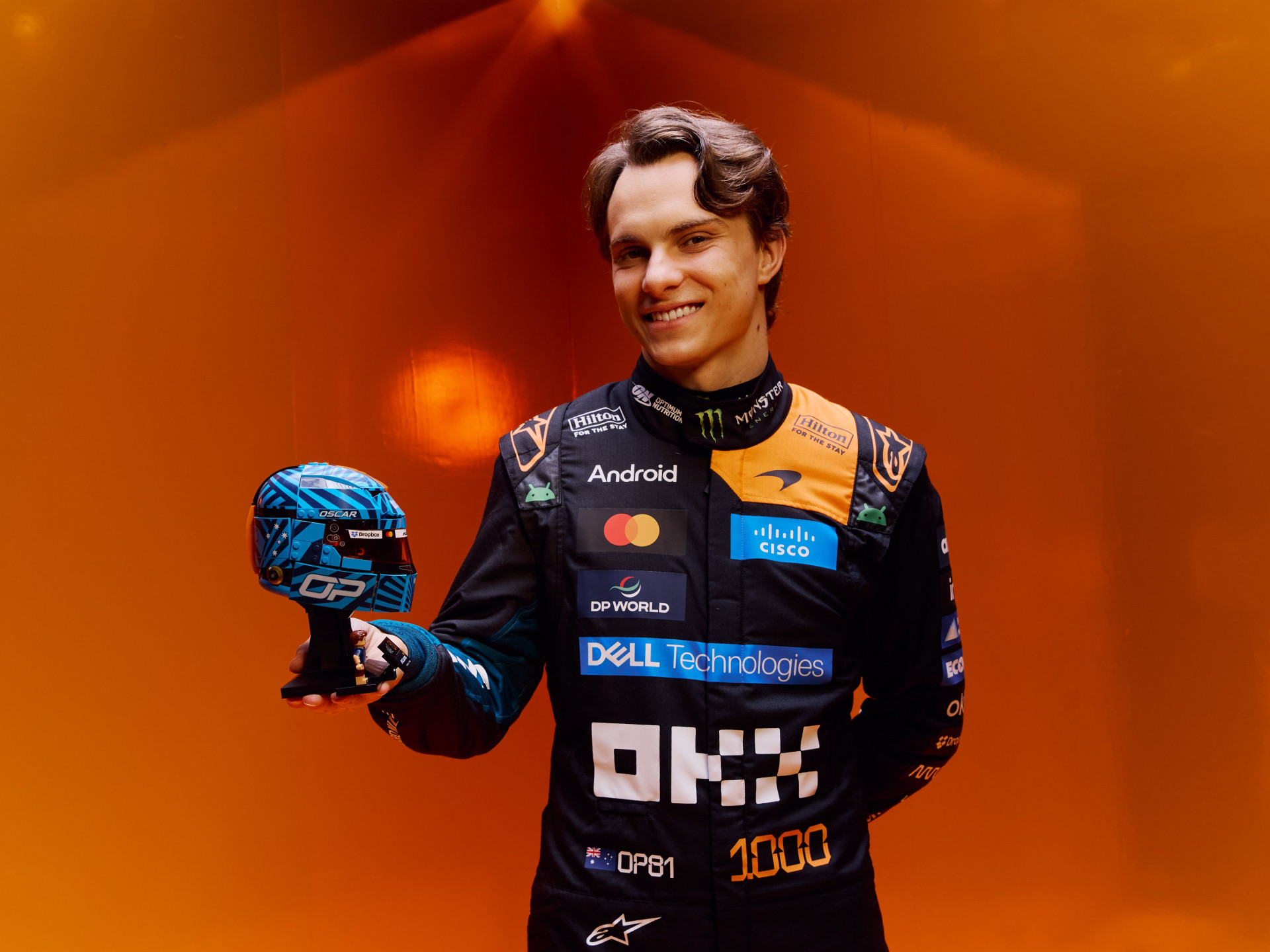
McLaren's decision to release these 793-piece helmet replicas ahead of the Monaco Grand Prix for the team's 1000th race carries weight beyond plastic bricks. The sets capture the drivers' actual helmets in papaya orange and blue for Piastri, fluorescent yellow with Norris's number one for the 2025 champion. Each includes a minifigure, a first in the line, and Piastri's version shows him in shorts, thongs, and a kangaroo-logo shirt that he himself called "very me."
- The models went on sale through Lego stores and the McLaren Racing Store immediately after the announcement.
- Real helmets worn in Monaco were designed in tandem with the Lego versions.
- Similar Ferrari sets for Charles Leclerc and Lewis Hamilton appeared earlier in the year, yet lacked the same casual, humanising touch.
This level of coordinated branding signals tight interpersonal alignment inside McLaren. Team politics and daily mood carry more weight than any wind-tunnel hour, and the Piastri figure quietly proves the point. When drivers feel seen rather than managed, the car tends to respond on Sunday.
Budget Caps, Midfield Rebels, and the 1994 Echo
The multi-year Lego-F1 deal signed in 2025 is already reshaping how smaller squads can weaponise partnerships under the cost cap. While manufacturer teams chase prestige, outfits such as Alpine and Aston Martin are positioning themselves to exploit the same rules that once let Benetton run its controversial fuel system in 1994. Regulatory grey areas and clever commercial alliances will shift dominance toward privateer operations by 2028, exactly as morale and back-room deals trumped raw technical superiority back then.
Contract talks in this sport resemble divorce proceedings: every asset, every image right, every sponsorship clause becomes a weapon once trust breaks.
Ferrari's culture clash with Hamilton already shows the early signs. Traditional expectations clash with an outspoken driver persona, breeding the kind of quiet resentment that sinks seasons. McLaren's Lego move, by contrast, locks everyone into a shared narrative that keeps the garage atmosphere intact. The 793-piece count is trivial next to that human equation.
The Road to 2028 Runs Through Morale, Not Carbon Fibre
Lego's expanding F1 range, now including multiple teams and historic cars, will keep feeding this dynamic. Midfield operators who treat such collaborations as force multipliers rather than side projects will pull ahead once the cap tightens further. McLaren's current unity, visible even in a minifigure wearing thongs, offers the clearest template. Ferrari's internal temperature will decide whether Hamilton's move becomes footnote or fracture, but history from Benetton onward shows that politics and atmosphere always write the final result.
Join the inner circle
Get the deep dives and technical analysis from the world of F1 delivered to your inbox twice a week.
Zero spam. Only high-octane analysis. Unsubscribe anytime.
Continue Reading
View More News