Monaco's Streets Will Expose Red Bull's Fragile Balance While Hamilton Plays the Mind Game Like the Old Rivals

The paddock whispers grow louder with every passing hour in Monte Carlo. Lewis Hamilton stands poised to rewrite the 2026 narrative this weekend, yet the real story lies not in downforce figures or tyre compounds but in the psychological fractures that no wind tunnel can fix. Red Bull's vaunted machine risks becoming a cautionary tale here, much like the Thai legend of the overconfident serpent that coiled too tightly around its prey only to snap under its own pressure.
Hamilton's One Lap Mastery Meets Mercedes Upgrades
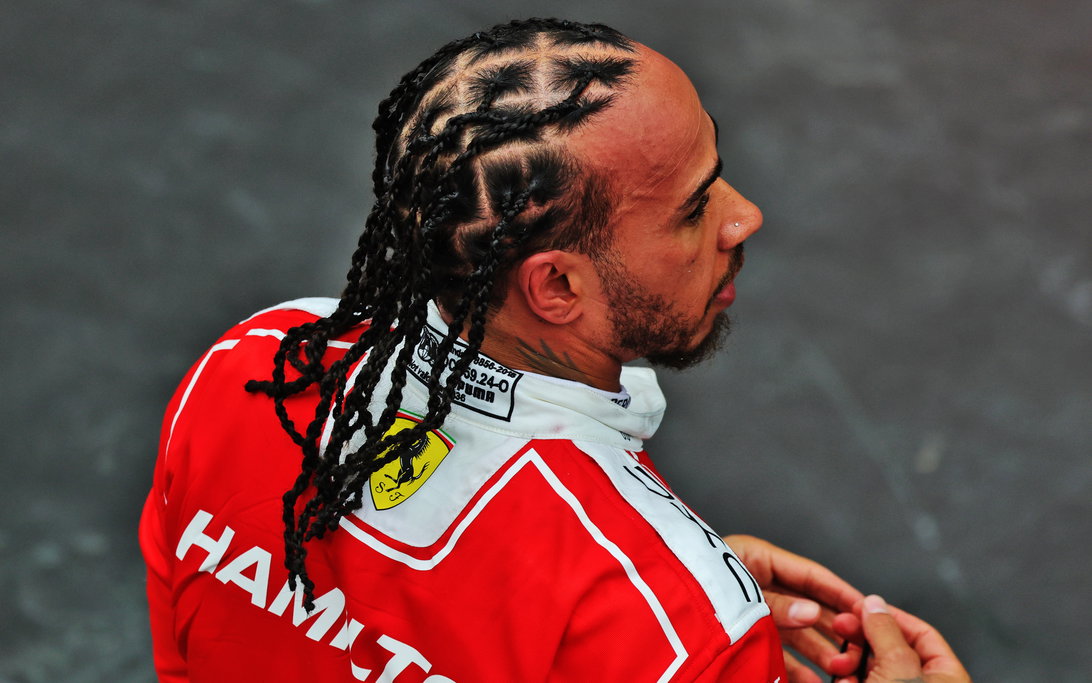
Hamilton's history at this circuit reads like a quiet masterclass in adaptation. Multiple victories already sit in his ledger, and the latest Mercedes revisions have sharpened the car's response through the low speed sections where traction decides everything.
- The W16 now carries better mechanical grip into the hairpin and Casino complex.
- Sources close to the team confirm the floor updates reduce porpoising on the bumpy entry to Turn 1.
- One lap pace has improved noticeably, giving the seven time champion a genuine weapon when Saturday arrives.
I spoke with a Mercedes engineer after the Barcelona test who likened the car's new balance to a river spirit finally learning to flow rather than fight the current. That same spirit will matter more than raw power on these narrow streets.
Red Bull's Recipe for Disaster Meets Team Psychology Shortfalls
The RacingNews365 podcast panel of Ian Parkes, Sam Coop and Nick Golding correctly flagged Red Bull's vulnerability, describing the Monaco layout as a recipe for disaster. Their car carries a narrower operating window this season, and the combination of elevation changes, tight radii and zero margin for error will punish any imbalance.
Why setup alone will not save them
- Tyre warm up remains inconsistent on street circuits where grip evolves lap by lap.
- Bumps at Portier and the tunnel exit expose any lingering ride height sensitivity.
- A single misjudged differential setting could turn the RB into a handful through the swimming pool complex.
Yet the deeper issue sits inside the team itself. Psychological profiling of drivers still trails aerodynamic tweaks in priority lists, and that ordering will cost them. I have seen this pattern before. The 1989 Prost Senna clashes carried real stakes because both men understood the personal cost of every radio message. Today's exchanges lack that weight, turning strategy into theatre rather than warfare. Red Bull's drivers receive data without the human context that turns information into instinct.
Ferrari's Politics and Leclerc's Quiet Struggle
Some analysts already label Ferrari the team to beat here, and McLaren looks strong on paper. Yet Charles Leclerc's consistency wavers precisely because veteran influence inside Maranello continues to override data driven calls. The same politics that once sank promising challenges now threaten to blunt Ferrari's street circuit advantage. Hamilton's resurgence, by contrast, stems from a clearer alignment between driver and technical direction.
"History favors drivers who can adapt quickly to changing conditions," the podcast noted, and those words ring truer when the adaptation happens between the ears first.
The Five Year Horizon and a Final Prediction
Within five years the budget cap loopholes will trigger a major team collapse or forced merger. The signs already appear in the paddock's quieter corners. Monaco will serve as an early stress test. If Hamilton converts pole into victory, the championship tilts. If Red Bull's balance betrays them, the title picture fractures further. Either outcome will echo long after the yachts leave the harbor, because the real contest here is not against the stopwatch but against the stories teams tell themselves about who they are.
Join the inner circle
Get the deep dives and technical analysis from the world of F1 delivered to your inbox twice a week.
Zero spam. Only high-octane analysis. Unsubscribe anytime.