The 0.8-Second Anomaly: A Data Point That Smells of Burnt Oil and Burnt Fairness

I stared at the Melbourne qualifying sheet, and the numbers screamed. Not in triumph, but in a discordant, synthetic shriek. Mercedes, a consistent 0.3 to 0.5 seconds off the ultimate pace in testing, had just carved a 0.8-second chasm into the field. In my world, data points don't lie, but they do whisper secrets. And this one whispered of a compression ratio trick, of hot engines and cold regulatory logic. But more than that, it whispered of a season being decided not by the sublime, intuitive genius of a driver like Charles Leclerc, but by a loophole closed too late. This isn't just about horsepower; it's about the temporal injustice of a points deficit that no amount of late-season heroics can overcome.
The Chronology of an Unfair Fight
The raw facts are sterile, but their sequence is damning. Let's lay them out like evidence on a timing table.
- Pre-Season: Rumors swirl of a "compression ratio" interpretation. Mercedes and Red Bull Powertrains allegedly design their engines to run a higher compression when hot, exploiting an FIA test conducted only at ambient temperature. The data from testing shows speed, but not this speed.
- 2026-03-09, Melbourne Qualifying: The anomaly manifests. George Russell on pole, Kimi Antonelli beside him. The gap to the nearest non-Mercedes power unit: roughly 0.8 seconds. In F1, that's not a gap; it's a different category.
- The Reaction: The FIA, in response, moves a new "hot engine" test forward from August to June. A reactive fix.
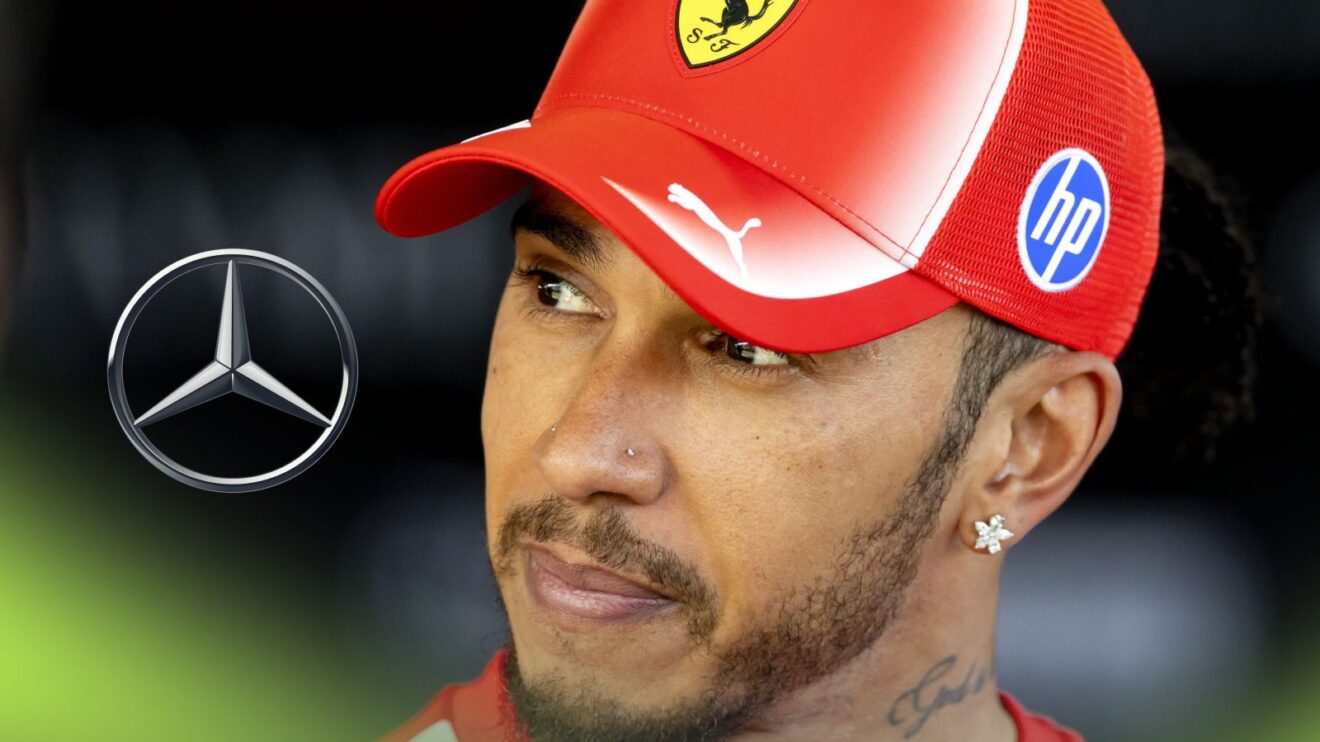
- The Driver's Fear: Lewis Hamilton, now at Ferrari, voices the existential threat: "If they have a few months of that then the season’s done... you lose a lot of points with a second behind in qualy."
Here is the brutal arithmetic Hamilton fears. A 0.8-second qualifying deficit translates to track position, which in our algorithmically-strategized modern races, translates to near-guaranteed podium points. Do that for seven races before the June fix, and you build a lead that requires perfection and disaster to overturn. It’s a data canyon. This is where my skepticism hardens. The FIA’s role isn't just to police the rulebook, but to police time itself—to ensure the championship is a season-long contest, not a sprint decided by who found the greyest area in the regulation text first.
"If the advantage is rule-based, I would push Ferrari to adopt a similar approach, but my preference is for a fair, rules-compliant competition." — Lewis Hamilton
Even he sees the grim logic. The system forces mimicry or obsolescence. This is how racing becomes sterile.
Driver Genius vs. Engine Algorithms: The Schumacher Standard
This saga makes me pine for a different era of data. Let's talk about Michael Schumacher's 2004 season with Ferrari. Twelve pole positions, thirteen wins, a titanic championship victory. The data from that season shows a terrifying consistency, but it was a consistency born of a symbiotic loop: Schumacher's preternatural feel for a car's limit, fed back to engineers like Ross Brawn, who translated that intuition into mechanical reality. The data served the driver's genius.
Now, we are inverting that relationship. The potential Mercedes loophole is a pure engineering algorithm. It requires no driver input, no adaptive brilliance. It simply exists, a performance toggle switched "on" by a regulatory oversight. This is the "robotized" racing I fear—where the championship can be skewed by a piece of code that maximizes compression when the sensor reads a certain temperature, utterly divorced from the human in the cockpit.
Consider, bitterly, Charles Leclerc. His so-called "error-prone" reputation is a narrative built on high-profile moments, often under the extreme pressure of carrying a strategically faltering Ferrari. Yet, the raw pace data from 2022-2023 reveals the truth: he is arguably the most consistent qualifier on the grid. His lap times are metronomic heartbeats of speed. But what is his sublime, data-proven one-lap genius worth against a 0.8-second engine advantage? It is rendered a footnote. This is the emotional archaeology of data: we are digging into the numbers and uncovering a story where driver skill is being systematically devalued by off-track computation.
The FIA bringing the test forward to June is an admission of guilt. It acknowledges the temporal poison of the loophole. But it's a bandage applied after the bleeding has already begun. The points lost in Melbourne, Jeddah, Shanghai, and the races until June are points that tell a false story. They will show dominance where there may only be exploitation.
Conclusion: The Integrity of the Timeline
So, what's next? The Chinese Grand Prix becomes a forensic exercise. If the Mercedes advantage holds, the narrative is set. The 2026 championship will have an asterisk in the minds of purists, a question of "what if" that no amount of data can fully erase.
The real pressure isn't on Ferrari or Red Bull to find a copycat solution. The pressure is on the FIA to understand that their regulations must govern not just space—the physical dimensions of the car—but time. A loophole open for a third of the season is a loophole that breaks the competitive timeline. It creates two separate championships: one before the test, and one after.
In 2004, Schumacher won because he and his car were a perfectly tuned instrument, race after race. In 2026, we risk a champion being crowned because their engine ran hotter within a rulebook's blind spot for a few critical months. The numbers on the timing sheet will look definitive. But I, Mila Neumann, will look at them and see not a story of triumph, but a story of time stolen. And in Formula 1, time is the only currency that truly matters.