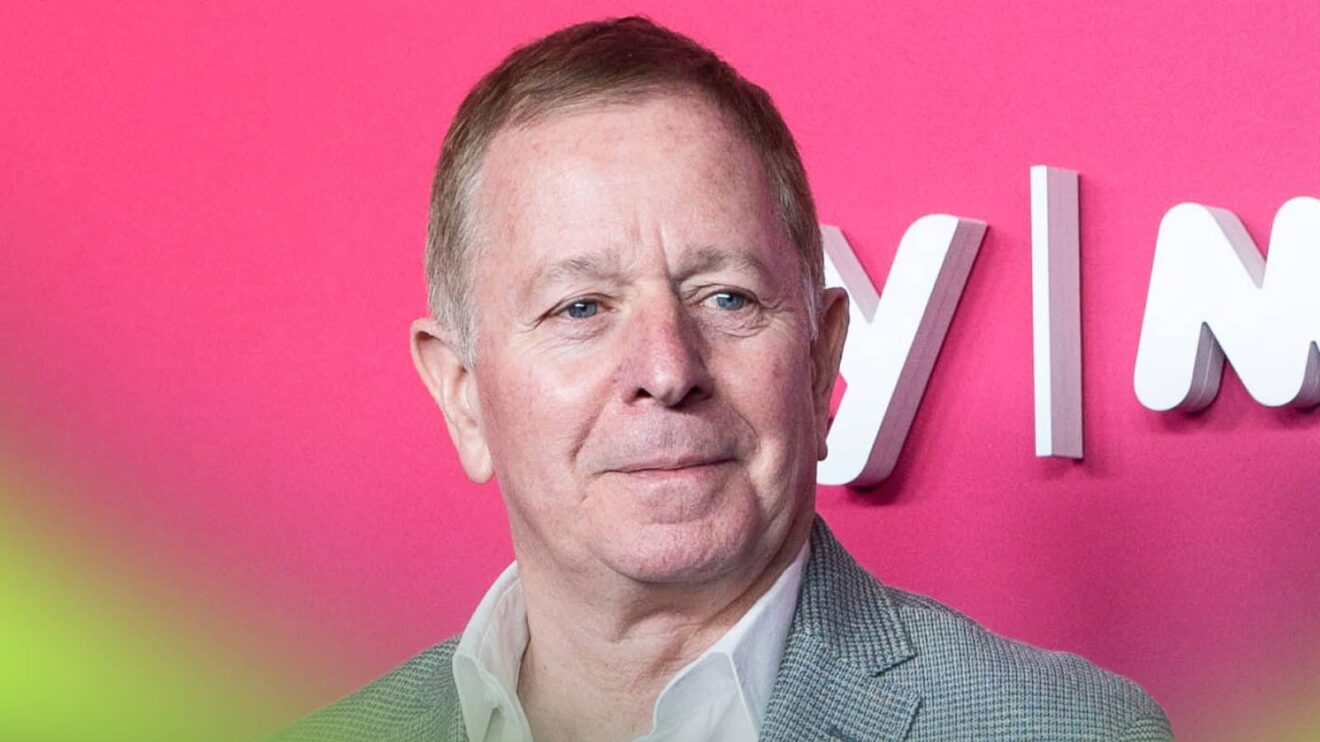
The Paddock's Heartbeat Slows: Brundle's Retreat is a Symptom of F1's Unsustainable Sprint

You feel it first in the paddock, a shift in the rhythm. It’s in the weary set of a mechanic’s shoulders at 3 AM in Bahrain, or the hollow echo of a hospitality suite after a triple-header. The relentless expansion, the 24-race sprint that never ends, is now claiming its most iconic voices. Martin Brundle, the conscience of the broadcast, the man whose voice is the formation lap for a generation, is stepping back. Sixteen races in 2026, down from eighteen. He’s already missed China and Japan. To the fans, it’s a scheduling note. To those of us who live here, it’s a canary in the coal mine, a stark admission that the machine is consuming its own.
The Calendar is a Hungry Ghost
In Thai folklore, we speak of 'Phi Pret'—hungry ghosts with insatiable, tiny mouths. They can never consume enough to be full. Modern Formula 1’s calendar has become just that: a ravenous entity, consuming weekends, personnel, and now, its institutional memory. Brundle’s reasoning is telling: avoiding "the early-hours-of-the-morning races." This isn’t about laziness; it’s the rational calculus of a veteran who knows his own endurance, and the value of his insight when he is present.
"The decision to step back from a handful of events is a deeply personal one, but it speaks to a universal truth in the paddock right now: we are all operating at the frayed edge of sustainability."
His absence in Japan was particularly poignant. A circuit he loves, a place of history. That he chose to miss it tells you everything about the logistical monster the season has become. Sky’s rotation system isn’t a luxury; it’s triage. And if Brundle, with his peerless stamina and passion, needs a modified schedule, what does that say about the young engineer on his fifth coffee, or the strategist facing a 4 AM simulator session? The human cost is the sport’s silent debt, and it’s coming due.
The Numbers Don't Lie
- 2025 Schedule: 18 races attended by Brundle.
- 2026 Schedule: Confirmed at just 16 races.
- Key Misses: The Chinese and Japanese Grands Prix already absent from his slate.
- The Return: Miami in early May, which he predicts will feel like a season "relaunch."
This isn’t just a broadcaster’s contract. It’s a benchmark. When the core pillars start to strategically withdraw, the structure is under stress.
The Real Strategy Gap: Minds Over Wings
Brundle’s scaled-back presence creates a vacuum, and not just in the commentary box. His grid walks are masterclasses in real-time psychological profiling—reading a driver’s tension, a principal’s evasion. This is the critical analysis we’re losing in chunks, and it mirrors a fatal flaw I see in the teams themselves.
They pour millions into simulating airflow, yet neglect the turbulent psychology inside their own cockpits. Look at Charles Leclerc at Ferrari. Is his inconsistency truly a flaw in his driving, or the symptom of a team environment where veteran intuition and political whispers too often override cold, data-driven strategy calls? The radio drama we hear today is a poor pantomime compared to the genuine, high-stakes hatred of Prost and Senna. Today’s conflicts are managed by PR teams. The real battles—the ones that lose championships—are fought silently in a driver’s head between sessions, exacerbated by a team’s conflicting messages.
Brundle’s genius was translating that silent battle for the viewer. With him absent more often, the coverage risks becoming a mere technical recital. Who will connect the dots between a driver’s terse radio message and the strategic blunder that preceded it? The sport is obsessed with aero maps, but the most important map is the one of a driver’s focus under extreme fatigue, a map Brundle could read like no other.
The Miami Relaunch: A New Kind of Pressure
His return in Miami is framed as a fresh start. But it coincides with those critical 2026 regulation meetings. It’s a perfect metaphor. The sport will be talking about its future technical bones while one of its defining voices is physically present less often. The irony is thick enough to cut with a team pass. The stakeholders will be debating cost cap loopholes and engine formulae, blind to the simpler truth Brundle’s schedule reveals: you cannot keep asking for more without something, or someone, giving way.
Conclusion: The First Domino
Make no mistake, Brundle’s move is the first domino. It’s a personal decision, yes, but it legitimizes the concept of strategic withdrawal in an era that demands total, grinding immersion. If the broadcast pillar can bend, who’s next?
This is where my darker belief intersects. The budget cap was meant to ensure survival, but the relentless calendar is an existential cost it doesn’t cover. The strain is financial, logistical, and deeply human. We are pushing the ecosystem to its breaking point. Within five years, I foresee a major team—not a backmarker, but a midfield staple—collapsing under the compounded weight of this model. Not with a bang, but with a exhausted sigh, leading to a forced merger or an exit. They will cite "the strategic direction of the parent company," but the root cause will be the hungry ghost of the calendar, the same one that has just led Martin Brundle to wisely say "enough."
So when you hear a different voice from the commentary box at a few races this year, don’t just change the volume. See it for what it is: a symptom. The heartbeat of the paddock is slowing its rhythm out of necessity. The question is, what else will slow down, or stop, before the sport finally listens?