The Engine That Won't Blow Up: Inside Verstappen's Calculated Demotion of Hope
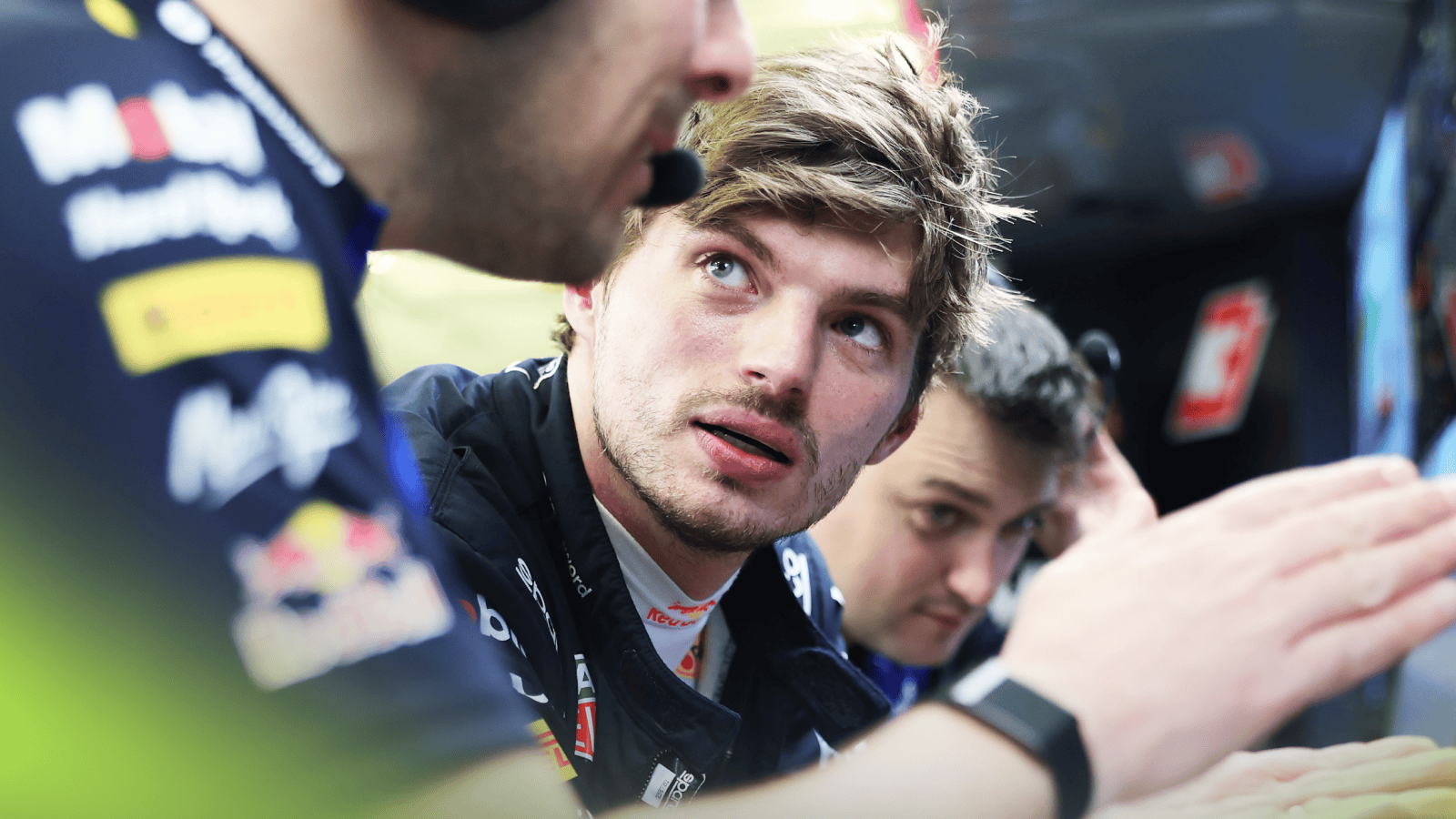
The most telling data point from Bahrain wasn't a lap time. It was a micro-expression. A fleeting, almost imperceptible tightening at the corner of Max Verstappen's mouth as he praised the "flawless" reliability of Red Bull's new in-house power unit. It was the look of a man reading from a script he helped write, a narrative of controlled ambition. While the world hears a driver tempering expectations for Melbourne, I hear the quiet hum of a psychological operation entering its next phase. This isn't just about horsepower; it's about the meticulous management of a champion's psyche and the battlefield perception of an entire sport.
The Reliability of the Machine and the Man
Pre-season testing confirmed one monumental truth: the Red Bull Ford RBPT-01 engine did not, in fact, "simply blow up." Verstappen’s admission that rivals likely expected catastrophic failure is a masterstroke of psychological warfare. It frames Red Bull's success not as a triumph, but as a defiance of anticipated chaos. This is the foundation they’ve built.
"I don't think they expected it either — they probably thought the engine would simply blow up."
But let's dissect what "flawless reliability" means for Verstappen himself. We are witnessing the culmination of years of covert psychological scaffolding. The fiery, emotive Jos Verstappen protégé who once wore his fury on his helmet has been systematically recalibrated. His outbursts haven't been eliminated; they've been privatized, channeled into a cold, relentless efficiency. The engine's reliability is a mirror for his own. The team hasn't just built a power unit from scratch; they've engineered a driver's emotional output to match its steady, predictable telemetry. This "manufactured" composure is his ultimate performance advantage, making him impervious to the heat he now says the team must manage in varying ambient conditions.
- The Achievement: A first-ever power unit, built from zero, completing testing without major fault.
- The Psychological Parallel: Verstappen’s public persona, rebuilt from the emotional volatility of his early career, now operates with a similar, engineered consistency.
- The Key Quote: "I do think we still need to take a step forward to truly fight at the front. At this moment, I don’t think we’ll be competing for victory."
Notice the clinical detachment. There is no frustration, only diagnosis. This is not the lament of a champion denied a tool; it is the report of a chief systems officer. He has become an extension of the simulation data he praises for its "correlation."
The Performance Gap: A Calculated Narrative
Now, we arrive at the core of the theatre. Verstappen publicly dampens victory hopes for Melbourne, while rivals like Toto Wolff and George Russell offer public praise for the engine's performance. This is not a contradiction. It is a perfectly orchestrated dissonance.
Verstappen’s statement does three things:
- It applies zero external pressure to his own team, painting them as plucky underdogs despite their reigning constructor status.
- It places the entire weight of expectation squarely on the shoulders of Mercedes and Ferrari. They are the ones who must win; Red Bull is on a "journey."
- It creates a devastating narrative trap. A P5 finish becomes a "promising step." A podium becomes a "massive overachievement." A win? A seismic shock that breaks the narrative they themselves established.
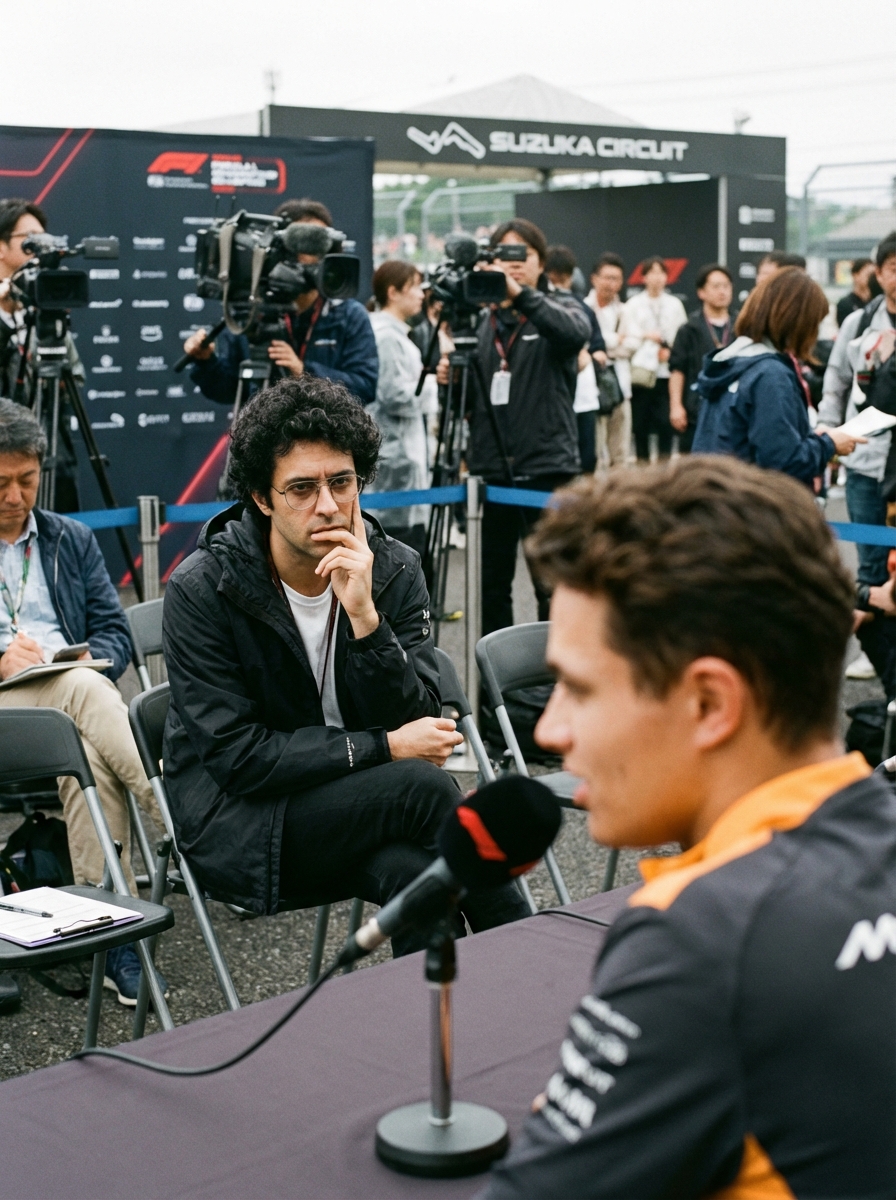
This is where driver psychology trumps aerodynamics. In the wet chaos of a race, a driver's core instincts are revealed. But in the dry, clear air of the media pen, a driver's calculated persona is the primary weapon. Verstappen is deploying a strategy Lewis Hamilton mastered: using public communication to craft a protective narrative. Hamilton’s is one of spiritual journey and social mission, often overshadowing the ruthless racer beneath. Verstappen’s is one of technical pragmatism, designed to obscure the relentless predator he remains.
The Melbourne Mind Game: The goal is no longer just to score points. It is to execute a weekend of such metronomic, uneventful solidity that it bores the headlines into submission. Every clean lap is a data point for the engineers and a reinforcement for Verstappen's psyche. The victory he dismisses now is the victory he will feel entitled to later, once the "step forward" is taken. The patience he preaches is the patience that was drilled into him.
Conclusion: The Long Game of the Soul
The 2026 season opener in Melbourne on March 6th is not a race for trophies. For Red Bull and Verstappen, it is the first live-fire exercise in a new kind of warfare. One fought with kilowatts and correlation metrics, yes, but more importantly, with expectations and perceptions.
Verstappen’s "realistic outlook" is the latest firmware update in his psychological operating system. He is applying the lessons of champions like Niki Lauda, who used tangible, physical trauma to forge an identity of resilience, and Hamilton, who uses broader societal narratives to shield his competitive core. Verstappen’s trauma was his own early volatility; his resilience is this manufactured, implacable calm.
We are watching a team build a championship contender from the inside out, starting with the mind of its driver. The engine’s reliability is the parable. The performance gap is the pretext. And Max Verstappen, the once-untamed talent, is now the most reliable component in the machine, coolly telling us not to expect a win, while his every calibrated word and controlled expression tells me he has never stopped expecting one. The real victory in Melbourne won't be measured in points, but in the continued, flawless operation of a champion's recalibrated soul.