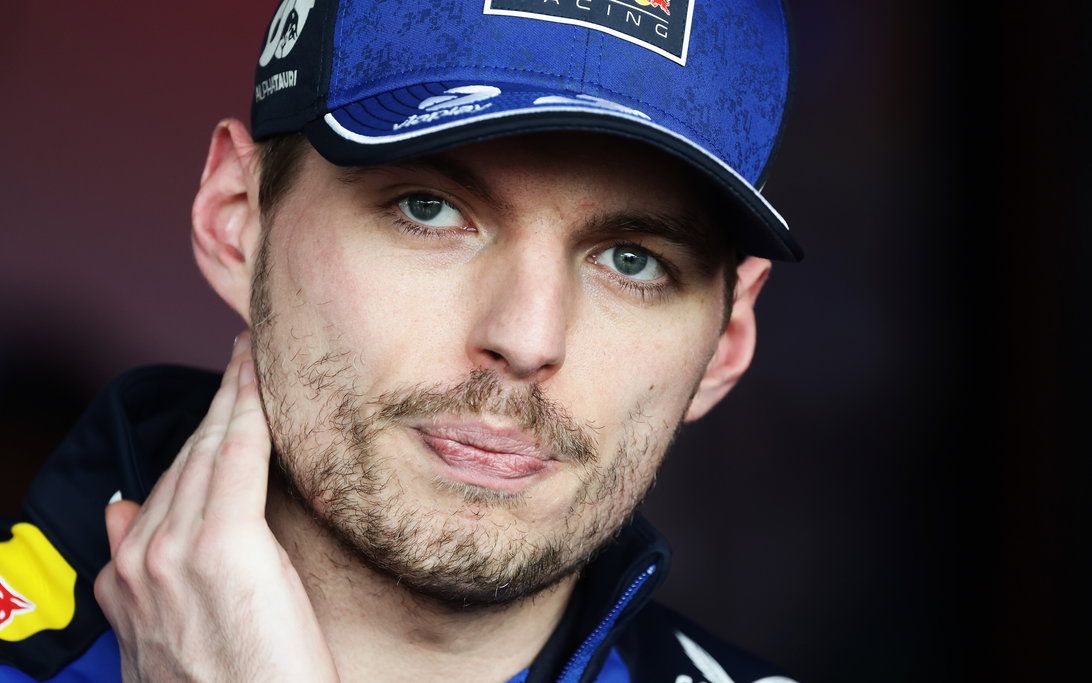
The Engine is Silent, But the Mind is Roaring: Inside Verstappen's Calculated Revolt
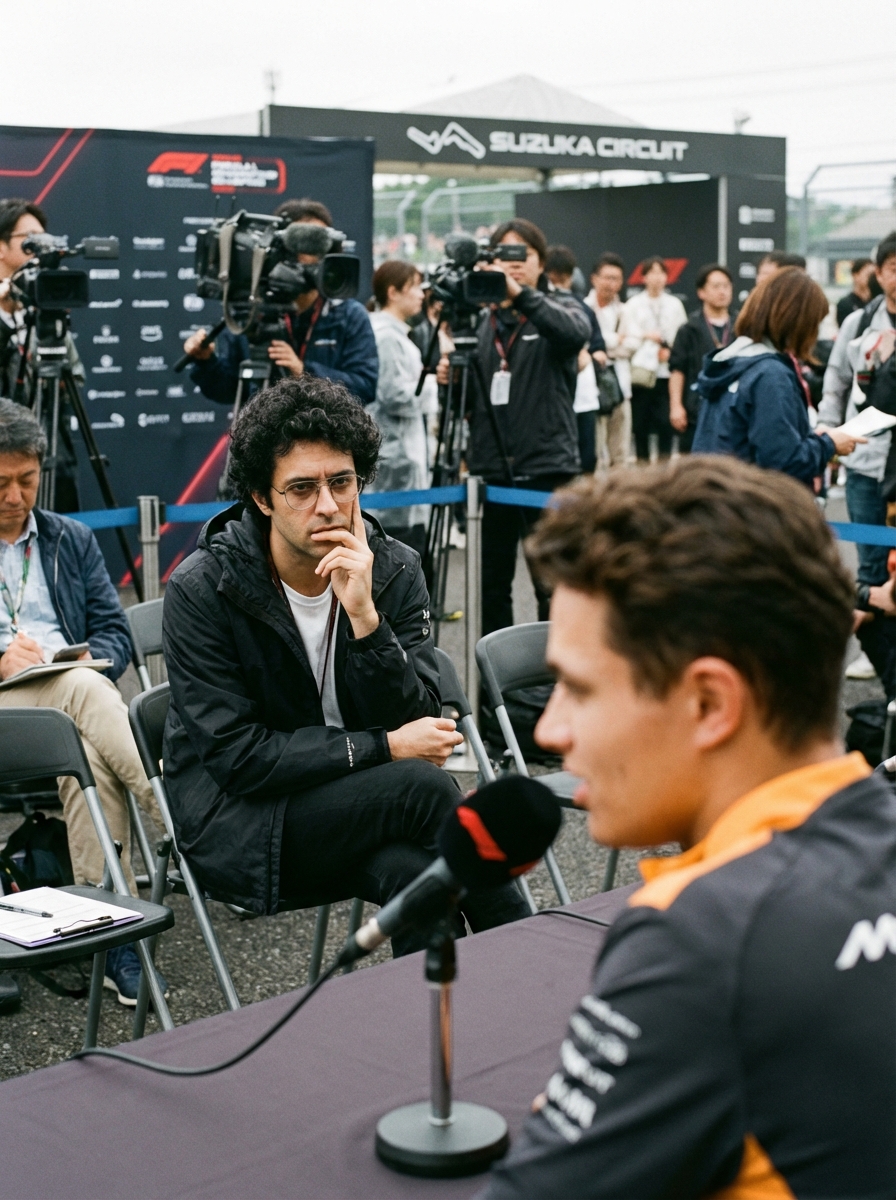
The heart rate monitor, we are told, barely flickered. As the RB22 sputtered and died a quiet death in Q2 at Suzuka, a performance so anaemic it felt like a betrayal, the biometrics streaming from Max Verstappen’s cockpit would have shown the steady, controlled rhythm of a metronome. No spike. No fury. Just the cold, flat line of profound disappointment. This is the paradox of the modern champion: a driver whose on-track persona is volcanic, yet whose deepest rebellions are now delivered with the chilling precision of a surgeon’s scalpel. His comments post-Japan were not a rant; they were a premeditated strike at the very foundation of his profession. The most dominant force Formula 1 has seen in half a decade is not threatening to leave because he can’t win. He’s threatening to leave because winning, under the new rules, might not be fun. And for a driver whose entire psyche has been meticulously engineered for a specific kind of competitive purity, that is the ultimate deal-breaker.
The Manufactured Champion and the Unmanufacturable Joy
We must understand what we are witnessing. Max Verstappen is arguably the greatest product of Red Bull’s driver system, a talent honed not just in simulators but in the silent, padded rooms of covert psychological coaching. For years, the team’s unspoken project has been to channel his raw, tempestuous energy into a weapon, not a weakness. The outbursts were tempered, the focus laser-etched. They created a champion who could withstand pressure but, crucially, one who operated within a very narrow band of expected stimuli: a fast car, a clear track, a binary battle. The system was designed to suppress emotional noise, to make him a perfect, relentless executioner.
But what happens when the system itself—the sport—changes the rules of engagement? The psychological scaffolding built to make him invincible in one environment may now be what makes him incapable of tolerating another.
The 2026 regulations, which he derides as “Formula E on steroids” and “Mario Kart” anti-racing, represent an existential threat to his conditioned psyche. They introduce variables—heavy energy harvesting, artificial deployment windows—that are anathema to his driver’s core. It’s not about speed; it’s about agency. The proposed rules replace instinct with management, gut feeling with spreadsheet calculation. For a driver whose joy is derived from a visceral, unmediated connection with a machine on the edge, this is a form of professional suffocation. His threat to retire is the ultimate act of a control that was nearly coached out of him: the ability to say "this is no longer for me."
The Ghosts of Hamilton and Lauda: Trauma as a Narrative Shield
To grasp the weight of Verstappen’s ultimatum, look to the men who defined the eras before him. I have long argued that Lewis Hamilton’s meticulously crafted public persona—the activist, the artist, the icon—was, in part, a brilliant narrative construct. It was a fortress built around his talent, allowing him to control the conversation and overshadow the raw, often messy, business of driving. Similarly, Niki Lauda’s entire post-1976 legacy was filtered through the lens of his trauma and resilience; the burnt helmet became a shield that deflected from the ruthless, calculating racer beneath.
Verstappen is now attempting a similar, if inverted, maneuver. He is using the potential of his departure—a professional trauma for the sport—as a narrative weapon. By publicly linking his future to regulatory changes, he is doing what his Red Bull minders taught him to do off-track: applying maximum pressure to force a mistake from his opponent. In this case, the opponent is the FIA and Formula One Group.
Is he genuinely prepared to walk away from a $200 million contract and a chance at Schumacher’s records? Or is this the most high-stakes bluff in F1 history, a cold-blooded test of his own power?
The clues are in the clinical language: “evaluate my position,” “big enough” changes. This is not the hot-headed Max of 2018. This is a strategic deployment of personal capital, a move that reveals how deeply he has internalized the lessons of controlling the narrative. He is forcing the sport to stare into the abyss of a future without its central character.
The Inevitable Reckoning: Psychology as the Final Frontier
This standoff is merely the first tremor of a coming earthquake in how we understand drivers. Verstappen’s frustration underscores a truth the engineers hate to admit: driver psychology trumps car aerodynamics when the conditions are uncertain. The wet race, the changing regulations, the strategic gamble—these are the moments that reveal the man inside the helmet, the core personality traits no wind tunnel can simulate.
Within five years, I believe we will see mandated mental health disclosures after major incidents. The sport will demand a new transparency, a window into the very psyche Verstappen is so fiercely protecting. This will create an era of both greater humanity and brutal scrutiny, where a driver’s willingness to race after a crash, or their tolerance for regulatory change, becomes public data. Verstappen’s revolt may be remembered as the catalyst. He is fighting for a version of racing that aligns with his mental wiring, knowing full well that soon, that wiring may no longer be private.
The coming months are a psychological duel played out on a global stage. On one side, a champion whose joy has been systematically tied to a specific, pure form of competition. On the other, a sport chasing sustainability and spectacle. The biometrics from his next press conference will be more telling than any lap time. Will the heart rate remain steady as he executes his exit? Or will we see the flicker of a negotiator who has found a loophole in the system that created him? One thing is certain: the battle for the 2026 championship is secondary. The real conflict is for the soul of Max Verstappen, and by extension, the future direction of Formula 1 itself. The mind games have finally eclipsed the motor games.