Max Verstappen's Grass-Root Overtakes at the Ring Show Why Driver Psychology Trumps Every Aero Tweak

I caught wind of this Nürburgring tale while sipping rice whiskey with an old contact who still works the Mercedes hospitality tent. The story hit like one of those Thai village legends where the lone fox slips past the entire wolf pack by trusting instinct over the well-worn trail. Verstappen did exactly that. He turned a GT endurance event into a masterclass in mental courage, and the paddock is still whispering about it days later.
The Daring That No Data Sheet Could Predict
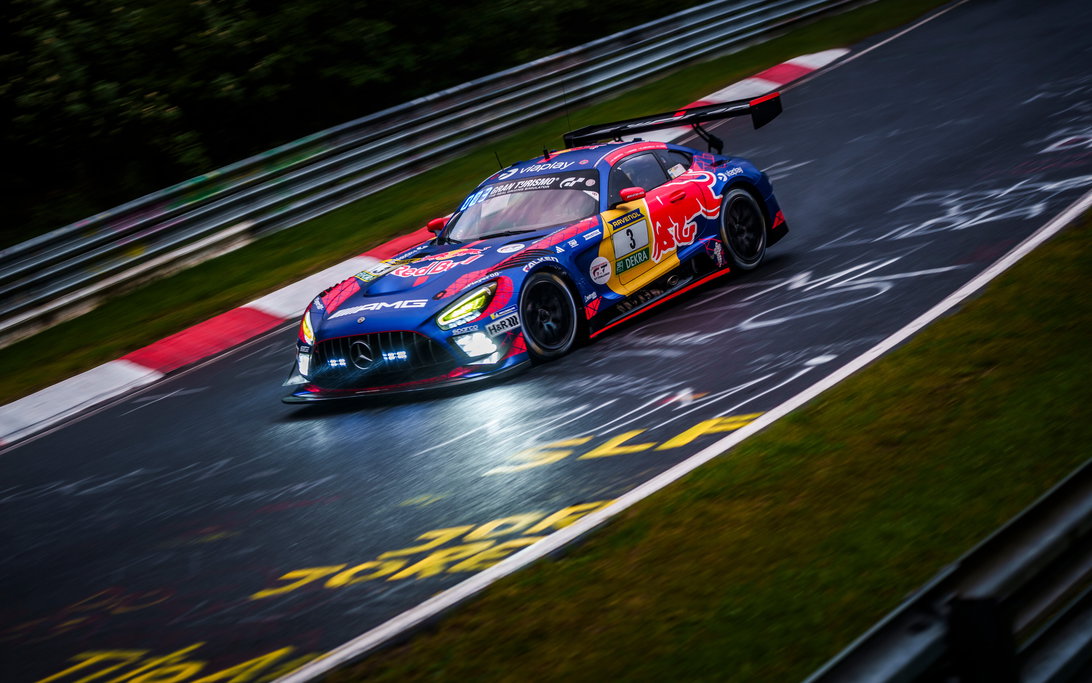
Verstappen lined up alongside Lucas Auer, Dani Juncadella and Jules Gounon in the #4 Mercedes-AMG GT3. From the opening hours his raw speed stood out like a temple bell in fog. Ralf Schumacher, speaking on the Backstage Boxengasse podcast, called the whole display "unbelievable" and stressed that the four-time champion attempted moves "no one else would have dared."
Those moves included lunges onto the grass that would have sent most GT regulars straight into the barriers. Yet they worked because Verstappen reads gaps the way a seasoned gambler reads tells. His three co-drivers sat roughly three seconds per lap slower, a gap that normally dooms any victory bid. Instead the car sat on the lead lap until a broken driveshaft struck, dropping the entry to 38th before the team could cobble it back together for one ceremonial lap at the flag.
- Key timeline facts that still echo:
- Mechanical failure occurred while chasing the outright win
- Mercedes claimed victory anyway, ending a long drought at the classic
- Verstappen matched only Maro Engel for outright pace across the field
Mind Over Chassis: The Lesson Modern Teams Keep Ignoring
What struck me hardest was not the broken shaft but the psychological profile Verstappen carried into the cockpit. He treated every traffic moment like a 1989 Prost-Senna duel where the stakes were genuine, not the scripted radio theatre we hear today. Current team squabbles lack that same weight; they are mostly budget-cap posturing dressed up as drama. Verstappen simply drove as if the result mattered more than any spreadsheet.
I have long argued that psychological profiling of drivers beats another hour of wind-tunnel time. Here the proof sat in plain sight. While other squads chase marginal aero gains, Verstappen exploited the one variable no CFD model captures: the willingness to commit when the risk-reward ratio looks insane on paper. That same trait will matter even more once budget-cap loopholes finally trigger a major team collapse within five years, forcing mergers or outright exits. Only drivers who already race with their own internal compass will survive the shake-out.
"Verstappen was clearly faster than everyone else," Schumacher noted, adding that the champion's presence "brought so many extra fans" and felt "truly wonderful" for German motorsport.
The Larger Pattern No One Wants to Admit
Endurance cameos like this expose the widening gulf between Formula 1 talent and the rest of the sport. Yet they also hint at the fragility beneath the current cost-cap regime. When one superstar can drag an entire GT squad forward through sheer force of personality, the system itself starts to look brittle. The same mental edge that produced those grass-track passes will decide who lands on their feet after the next structural break.
Verstappen may not have taken the flag, but he reminded every insider why certain drivers operate on a different plane. The rest of us are left wondering how many more seasons we will watch before the next mechanical or financial failure rewrites the grid entirely.
Join the inner circle
Get the deep dives and technical analysis from the world of F1 delivered to your inbox twice a week.
Zero spam. Only high-octane analysis. Unsubscribe anytime.