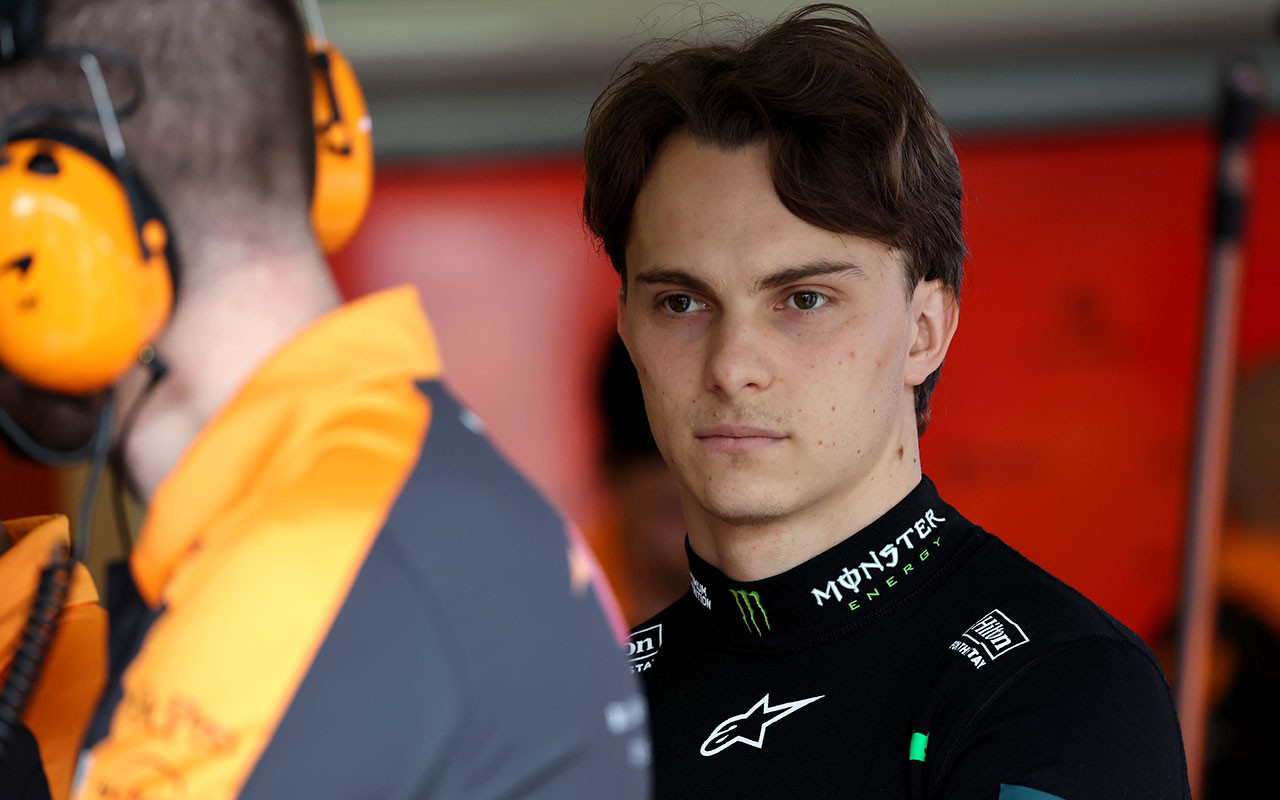
The Ghost in the Machine: Piastri's Crash and the Unseen War Between Driver and Regulation
The moment of impact is a private apocalypse. Before the grandstands are full, before the anthem plays, in the eerie quiet of a reconnaissance lap, a driver’s world collapses into carbon fiber shards and the deafening silence of a stalled engine. For Oscar Piastri, the 2026 Australian Grand Prix ended at Turn 4, not with a roar, but with a sickening crunch that echoed through the psyche of a nation. The cause was clinical: a 100kW power spike, cold tires, a kerb. The consequence was profoundly human: a young man, the weekend’s pacesetter, reduced to a spectator in his own home. This wasn't a racing incident; it was a psychological ambush, orchestrated by the very regulations meant to define the sport's future.
The Anatomy of a Betrayal: When the Car Becomes Adversary
The data doesn't lie, but it rarely tells the whole truth. Andrea Stella’s technical explanation was precise: the aggressive power delivery of the 2026 PU, a legal characteristic, not a fault. But to frame this as mere physics is to miss the deeper wound. Piastri’s admission is the key:
"The frustration is that the cause was a known regulation quirk, not an error he could easily isolate and avoid."
Here lies the modern driver's dilemma. In an era where we dissect every micro-expression, where a driver's heart rate under braking is public data, the greatest threat has become abstract. You cannot out-brake a rule. You cannot out-maneuver a software map. The adversary is no longer the rival in the next garage; it is an invisible, algorithmic unpredictability woven into the car's DNA. This crash was not a mistake born of over-aggression or misjudgment. It was a systemic betrayal, a trap sprung by a formula that prioritizes spectacle over symbiosis.
- The Mental Quicksand: A crash in the race is digestible. It exists within the narrative of combat. A crash on the reconnaissance lap exists in a vacuum of pure, undiluted failure. There is no race-long context, no strategic gamble to blame. It is a solitary, glaring error in the ledger. For a mind like Piastri's, analytical and precise, this is poison. The error cannot be neatly filed away; it festers, a question without a clean answer.
- The Shadow of 2025: His reference to a "greater disappointment" than his 2025 Melbourne setback is telling. That was rain, chaos, a variable shared by all. This was a personal rendezvous with a glitch in the matrix. The past haunts, but a repeated nightmare in the same location carves a neural pathway of dread.
McLaren's Embrace: A Shield Against the Storm
In the aftermath, McLaren’s response was a masterclass in psychological first aid. Stella’s words were not just PR; they were a lifeline.
"We will make sure we face this in a united way. We are a team in any situation."
This public, unequivocal absorption of collective responsibility is the antithesis of the old-school blame game. It is the recognition that a driver's confidence is as critical a component as the front wing. Stella calling Piastri a "very tough guy mentally" is not just praise; it is a prescription, an affirmation spoken into existence for the driver to hear and, desperately, to believe.
This is where the sport is evolving, whether it admits it or not. Compare this to the covert, systematic emotional suppression used to forge Max Verstappen into an unflappable machine at Red Bull. McLaren’s approach is open, nurturing, and unified. It suggests a future where team support is not a hidden performance tool, but a declared pillar of the operation. It leads me to my firm belief: within five years, the FIA will mandate mental health disclosures after major incidents. This transparency will be a double-edged sword—a protective measure that also opens drivers to a new, invasive layer of scrutiny, where resilience is measured on a medical chart.
The Lauda-Hamilton Paradox and the Forged Champion
Piastri now stands at a crossroads familiar to legends. He must choose his trauma narrative.
- The Niki Lauda Path: The raw, public, physical and mental rebuild. The scar becomes the story, the return an act of defiance so profound it transcends sport. Lauda’s resilience was his talent, laid bare for all to see.
- The Lewis Hamilton Path: The calculated, alchemical transformation of pain into a broader persona. Setbacks become fuel for a narrative of overcoming, channeled not just into speed but into a legacy identity beyond the cockpit. The trauma is curated, becoming part of the brand.
Piastri’s challenge is that his crash lacks the visceral heroism of Lauda’s fire or the dramatic stakes of a title-deciding moment. His is a quiet, technical humiliation. How he metabolizes this specific frustration—this anger at an intangible, regulatory cause—will define his next chapter. Will it harden a silent, cold determination? Or will it seed a vocal, technical advocacy against the regulations' dangers?
This incident proves, once again, my core thesis: driver psychology trumps aerodynamics in moments of crisis. The 2026 cars, with their twitchy power delivery, are creating a perpetual wet-weather condition—a state of constant uncertainty. In those milliseconds on the Albert Park kerb, aerodynamics were irrelevant. It was pure neurology: the brain’s response to an unexpected stimulus. No engineer can design around that. It is the final, ungovernable frontier of performance.
Conclusion: The Shanghai Crucible
All eyes now turn to China. The Shanghai International Circuit offers no sentiment, no home comforts. It is a sterile proving ground. Piastri will carry with him the ghost of that 100kW spike, a flinch memory embedded in his right foot. McLaren’s task is to provide not just a manageable car, but a cognitive reset.
The broader war ignited here is just beginning. The 2026 regulations have been exposed not just as a engineering challenge, but as a psychological hazard. Every driver on the grid felt a chill watching Piastri’s crash. They know the monster under the engine cover is real, and it is sanctioned by the rulebook. Piastri’s private devastation has become a public referendum on the soul of the new era. His recovery won't just be measured in points in Shanghai, but in the steadiness of his hands the next time he touches that kerb, power spike armed and ready. The true test isn't of the car's drivability, but of a young man's ability to trust a machine that has already betrayed him once.