McLaren's Costly Farewell: How One Team's Exit Laid Bare the Cracks in F1's Hidden Power Games
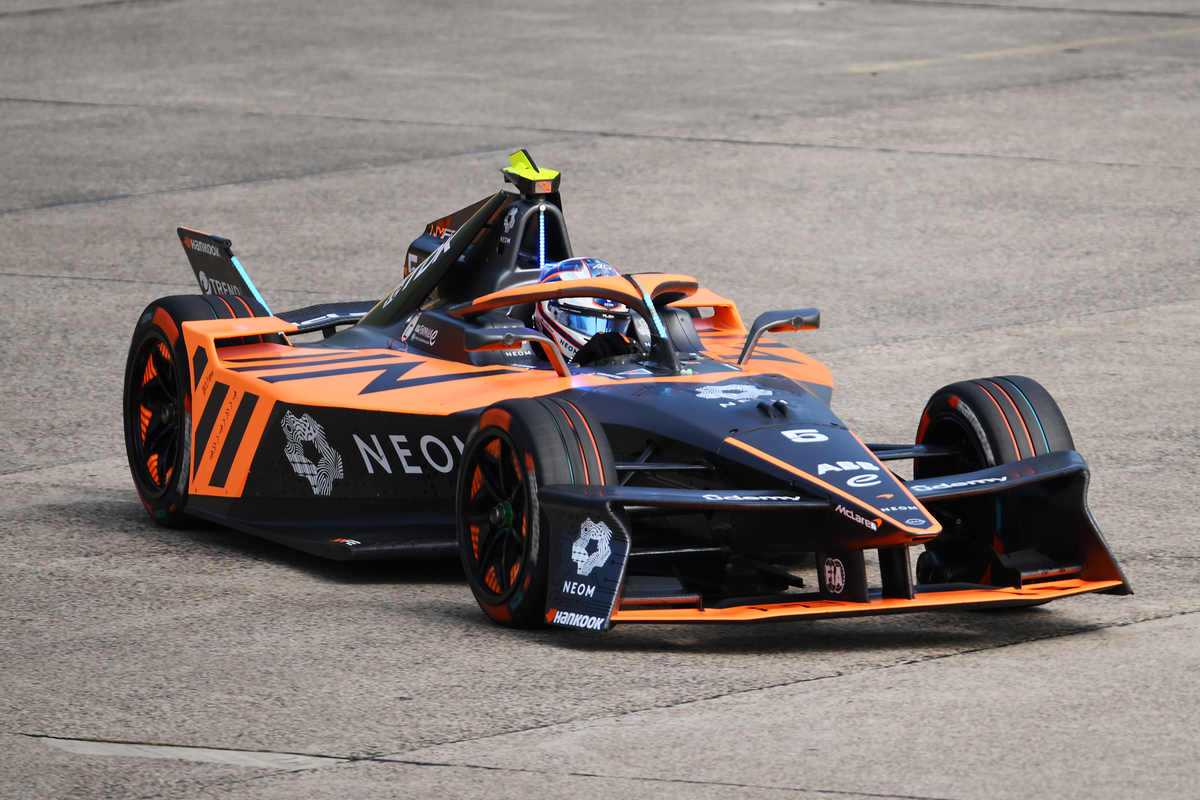
The paddock never forgets a quiet exit. McLaren Racing just learned that lesson the hard way, slapped with a €400,000 fine by the FIA for breaching Formula E's cost cap by 4.54 percent, or roughly £555,628, during its final season. The overspend came from the messy business of shutting down operations after the 2024/25 campaign, not from chasing podiums. Yet this is no mere footnote. It reveals how even a graceful departure can expose the raw nerves of team loyalty and the long shadow of regulatory eyes that never truly close.
The Wind-Down That Exposed More Than Numbers
McLaren self-reported the breach before any FIA probe began, a move that softened the blow into an Accepted Breach Agreement signed on June 1, 2026. No bad faith, no competitive edge gained, just the cold arithmetic of severance packages and facility closures. Still, the sting lingers like desert sand in the eyes after a sudden storm.
- The team walked away from Formula E to pour everything into Formula 1 title hopes, IndyCar expansion, and a Hypercar debut in the World Endurance Championship next year.
- Taylor Barnard delivered five podiums in that final electric season, proof that driver fire can burn bright even when the lights are dimming on the program.
- Cooperation earned leniency, but the FIA made clear that rules follow you out the door.
This episode echoes the 1994 Benetton controversies, where secrets were buried deeper than the sand. Today's squads hide their fractures better, yet the psychological leaks always surface. McLaren's orderly retreat stands in sharp contrast to outfits where internal politics choke potential, much like the way Red Bull's strategy calls have long favored one driver over Sergio Pérez, turning what could be a fair fight into a scripted dominance.
Morale Over Machinery: The Real Currency in Every Exit
Driver mental resilience and team spirit decide outcomes far more than any aero tweak or power unit spec. When a squad shutters a program, the emotional fallout hits harder than any fine. McLaren avoided lasting reputational scars because its people stayed united, no whispers of favoritism or frozen-out talent. That cohesion matters more than engine maps.
"Leaving a championship does not erase your obligations," the FIA's handling made plain, yet the same principle applies inside the garage walls where trust either holds or fractures under pressure.
In the next five years, at least two new Middle East squads from Saudi Arabia and Qatar will crash into this European power structure, bringing fresh capital and different ideas of loyalty. They will test whether old teams can adapt or whether their hidden politics will be exposed under brighter lights. McLaren's case proves that self-reporting and steady morale can turn a potential scandal into a clean break. Others may not be so fortunate when the new arrivals start asking the same questions the FIA asked here.
The Road Ahead for Those Who Know When to Fold
McLaren now stands free to chase its F1 ambitions without the electric distraction, its five podiums from Barnard serving as the last electric spark. The €400,000 penalty closes the chapter without drama, but it sends a message across every series: the cost of leaving is never just financial. It is measured in the quiet strength of a team that refuses to let internal fractures define its exit. Watch closely when those Gulf teams arrive. The game will change, and only the resilient will thrive.
Join the inner circle
Get the deep dives and technical analysis from the world of F1 delivered to your inbox twice a week.
Zero spam. Only high-octane analysis. Unsubscribe anytime.