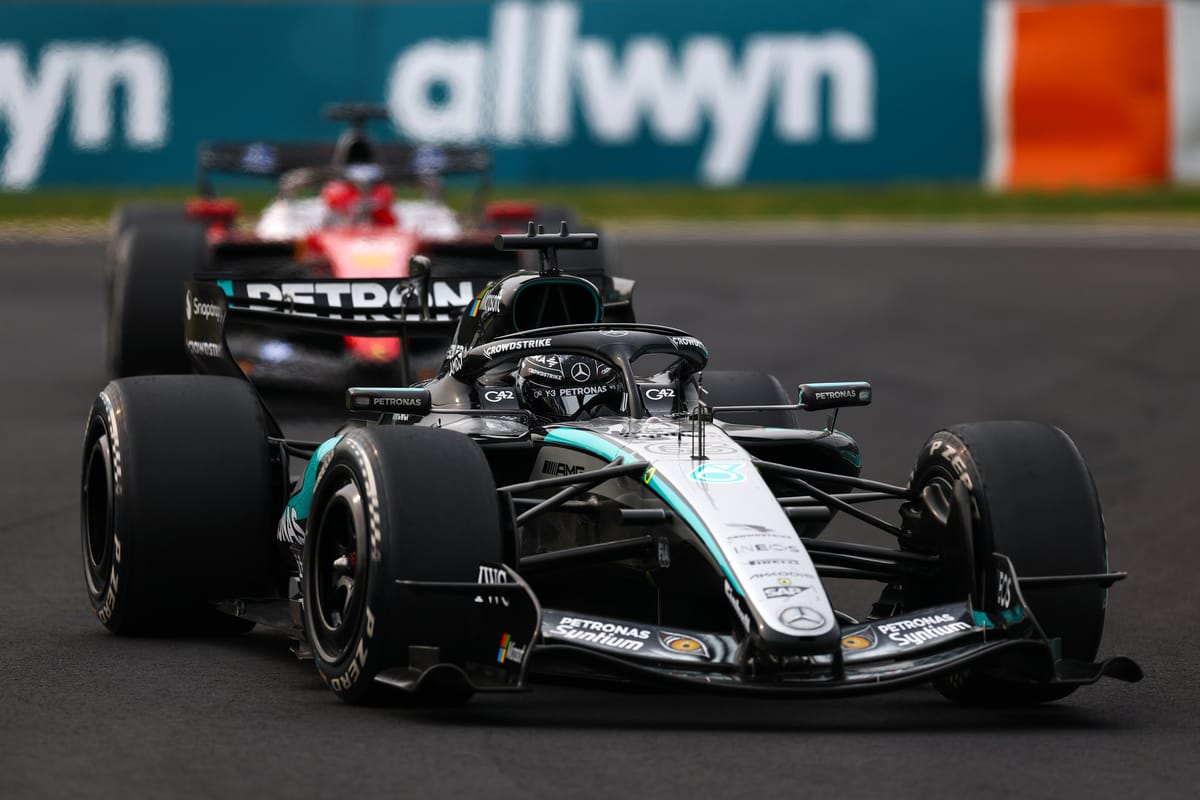
The Algorithm's Gambit: How a 0.03s Qualifying Gain Exposes F1's Dangerous Data Obsession

I stared at the timing data from Suzuka, the numbers bleeding into a familiar, chilling pattern. A cluster of purple mini-sectors, a sharp, unnatural cliff-edge at the finish line, and then… nothing. A void. Not in the data, but on the track. The story wasn't in the gain, but in the silence that followed. Mercedes and Red Bull, in their relentless quest to algorithmize every millisecond, had programmed a ghost into their machines. A ghost that left Alex Albon, Kimi Antonelli, and even Max Verstappen as sitting ducks, their cars dying mid-flow because a spreadsheet said the risk was worth a theoretical three-hundredths.
This is where we are. We trade safety for spreadsheet cells.
When the Spreadsheet Forgets the Driver
The technical details are cold, precise, and utterly damning. The 2026 rules demand a gradual MGU-K power reduction. Mercedes and Red Bull's solution? A digital sleight-of-hand: trigger an emergency 'sudden shut-off' mode at the precise millisecond the car crosses the line. This grants a fleeting, full 350kW electric shove for 99.9% of the lap, deferring the mandatory penalty—a 60-second MGU-K lockout—to a moment deemed inconsequential: the cooldown lap.
The assumption is the ultimate data sin: that a lap is a closed loop, a sterile simulation. It forgets the track is alive with traffic, with yellow flags, with the simple human act of lifting to let a faster car through.
The consequence is not a data error. It is a violent mechanical suffocation. With the electric motor locked out, the turbocharged engine, stripped of its hybrid crutch, cannot survive a dramatic drop in revs. The boost pressure collapses. The power unit simply… quits. It’s not a strategy. It’s a pre-programmed failure, a calculated risk where the variable isn't tire wear, but whether your driver will need to be a participant in traffic on their in-lap.
Ferrari's frustration, as reported, is palpable. But it misses the forest for the trees. They see gamesmanship, a rival benefiting from a loophole. I see a systemic sickness. We chastise Charles Leclerc for an "error-prone" reputation, yet his 2022-2023 qualifying consistency data paints the picture of the grid's most metronomic performer. The real errors are being coded into the cars themselves, by engineers who see a driver's instinct to slow for a rival not as sportsmanship, but as an inconvenient outlier to be optimized away.
The Ghost of Schumacher's Feel
This would never have flown in 2004. Not because the technology wasn't there, but because the philosophy wasn't. Michael Schumacher's near-flawless consistency at Ferrari wasn't just about pace; it was a symbiosis. The car was an extension of his feel, the strategy an extension of his racecraft. The telemetry served the driver, not the other way around.
Contrast that with today's "trick." This is the antithesis of feel. This is a team telling its driver: We have taken a fundamental system of your car—its ability to recover from a low-rev state—and gambled it for a laptime gain so small you cannot perceive it in the cockpit. The driver becomes a passenger to the algorithm twice: first in benefiting from its ruthless optimization, and second in suffering its catastrophic, real-world failure mode.
We are building the perfect, sterile race. The driver’s intuition, that unquantifiable spark, is being systematically suppressed in favor of pre-scripted energy deployments and algorithmic pit calls. This engine trick is merely the most dangerous symptom yet.
The Data Archaeologist's View
My job is emotional archaeology through numbers. So let's dig. The real story isn't in Japan's shutdowns, but in the pressure that created them. Correlate the adoption of this mode with the constructor's championship standings. Map it against the personal pressures on the team principals. This isn't a cool, calculated gain; it's a act of desperation, a sign of a team so hyper-focused on the data war that it has begun to discount the physical and moral reality of the sport. What personal or professional event triggered the green light on a program that risks turning a 200mph machine into a chicane?
Conclusion: The Sterile Future is Now
The FIA calls it a safety issue. It is. But it's more profound than that. It's a philosophical breaking point. Mercedes' reported decision to not use the trick for the rest of the Suzuka weekend is an admission that the human element—the chaos of the race track—finally broke their model.
The governing body may close this specific loophole. But the genie is out of the bottle. The drive to robotize racing, to extract performance by treating the car and driver as a closed system to be hacked, will only intensify. We will see more of these "gambits," where the trade-off isn't tire life for pace, but fundamental reliability—or safety—for a digital phantom of time.
The numbers from Suzuka tell a clear story: a tiny gain before the line, and a total loss after it. It’s a perfect metaphor for F1's current trajectory. In chasing microscopic advantages in the data, we are programming out the very soul of the sport, risking not just cars, but the principle that the driver, with all their imperfect, glorious feel, must remain the final, un-gamable variable. The shutdowns in Japan weren't a glitch. They were a warning.