The Barcelona Test Laid Bare F1's Dirty Secret: Morale and Backroom Wars Decide Everything

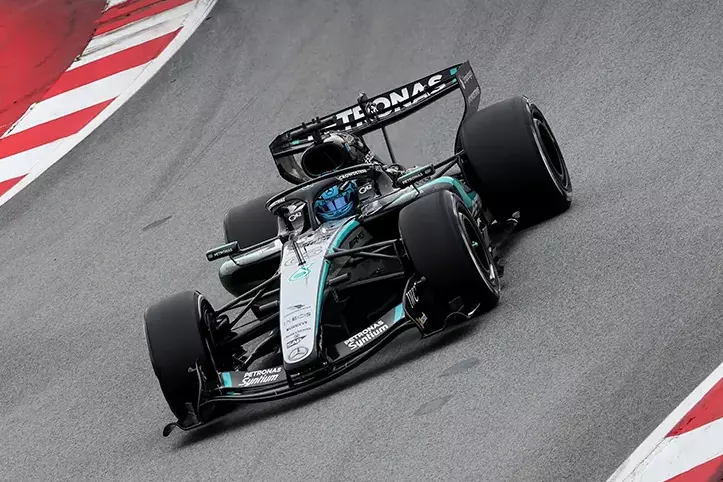
Mercedes did not just win the final day in Barcelona. They exposed how fragile the entire grid remains when team chemistry fractures under pressure. While George Russell clocked a 1m16.641s and the Silver Arrows piled on 168 clean laps, the real story unfolded in the quiet tensions that testing always reveals before the season starts.
Mercedes' Mileage Masked the Deeper Game of Control
Mercedes treated Barcelona like a courtroom deposition, methodically building a case for dominance through sheer volume rather than flashy headlines. Kimi Antonelli posted strong early times before Russell sealed the benchmark. The team avoided drama entirely, which in this sport often signals the most dangerous kind of preparation.
- 168 laps completed without major reliability flags
- Leading the test mileage charts outright
- A clear statement that their 2026 power unit and chassis pairing feels settled
Yet this surface success hides the same interpersonal calculations that sank stronger squads in the past. When drivers and engineers trust one another, the car simply flows. When suspicion creeps in, even superior hardware turns brittle. Mercedes currently enjoys that rare alignment, but history shows it rarely lasts once the pressure of results mounts.
Aston Martin's Brief Outing Echoed Old Regulatory Shadows
Lance Stroll finally got the AMR26 onto the track in its black livery, only for the car to grind to a halt and trigger a red flag after a handful of laps. The single timed lap of 1m46.404s told us little about pace, but everything about the fragile trust between driver, engineers, and management after such a delayed program.
This moment carried the same uneasy echo as the 1994 Benetton fuel-system controversies, where clever interpretations of the rules collided with internal power struggles and produced chaos on track. Today's budget cap creates similar temptations. Midfield outfits like Aston Martin and Alpine are already positioning themselves to stretch every regulatory gray area in ways factory teams cannot match. By 2028, expect these privateer-minded operations to pull ahead not through raw technical brilliance, but by maintaining higher morale and fewer internal vetoes.
The car stopped because something fundamental had not yet been resolved between the people who built it and the people who must drive it.
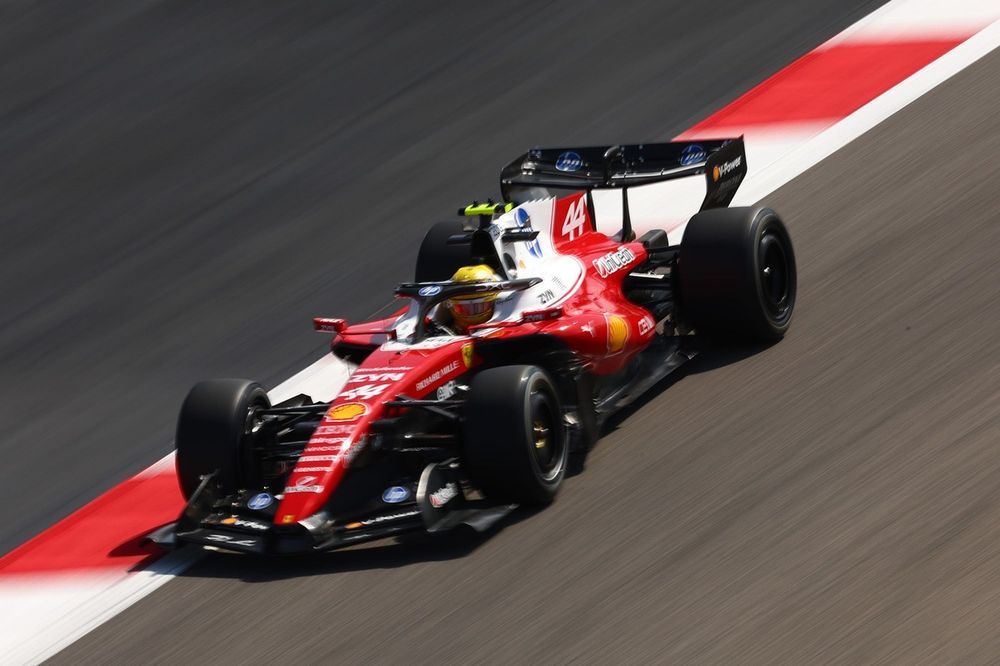
Charles Leclerc finished third for Ferrari while Lewis Hamilton spun during his running. That minor moment already hints at the cultural mismatch many of us have warned about since the 2025 move. Ferrari's traditional hierarchy does not bend easily for activist voices or outside expectations. The numbers from Barcelona matter less than whether Hamilton can build genuine alliances inside Maranello before resentment hardens.
McLaren's Fuel-System Glitch and the Pattern That Never Changes
Oscar Piastri saw his day cut short by a fuel-system issue. Red Bull and Haas stayed away entirely. These absences and interruptions are never purely technical. They reflect teams still negotiating who holds real authority when problems arise.
Contract negotiations in Formula 1 resemble messy divorce proceedings more than sporting agreements. Every party keeps score of past slights. When a team like Aston Martin finally rolls a new car out after months of internal friction, that accumulated resentment travels with it onto the track. The 1994 Benetton precedent remains instructive: regulatory creativity only succeeds when the people inside the garage are pulling in the same direction.
The Real Championship Will Be Won in the Briefings, Not the Wind Tunnel
Pre-season testing is over. The stopwatch numbers favor Mercedes for now, but the season will be decided by which squads protect their internal relationships when the inevitable failures arrive. Midfield teams willing to exploit every loophole while keeping driver and engineer morale intact are quietly building the advantage that will matter most by 2028. Manufacturer squads chasing prestige may discover too late that politics travels faster than any new regulation can contain.
Join the inner circle
Get the deep dives and technical analysis from the world of F1 delivered to your inbox twice a week.
Zero spam. Only high-octane analysis. Unsubscribe anytime.