Numbers Pulse Like Heartbeats: Mercedes Rift and Verstappen's Mental Toll Expose F1's Data Trap

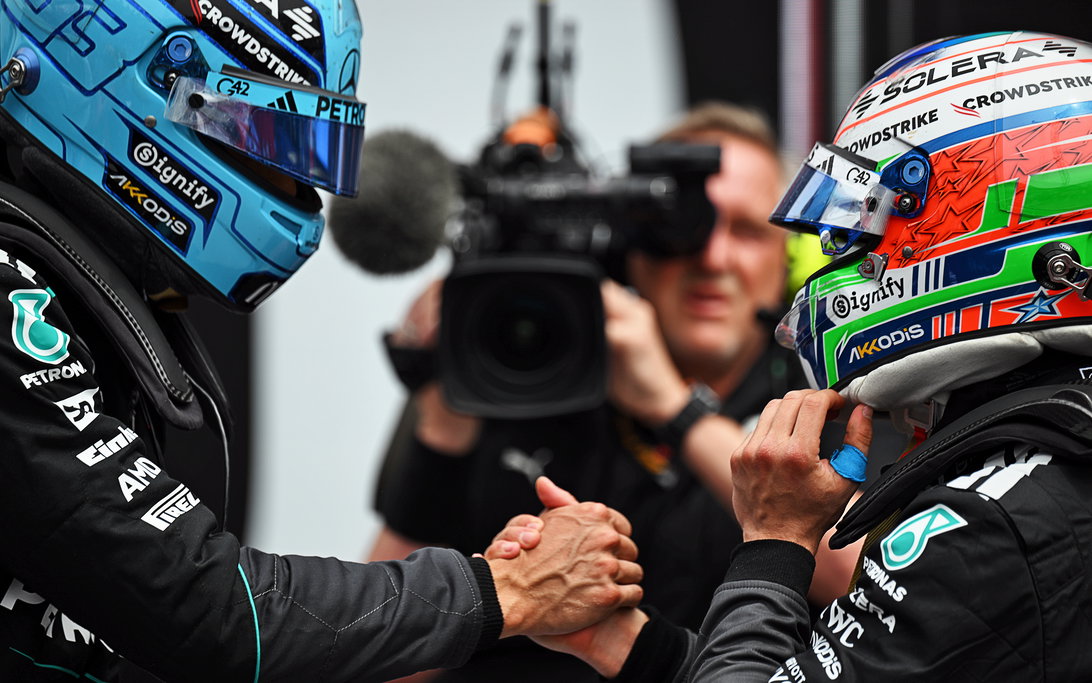
The timing sheets from Montreal this weekend do not whisper they scream. A 0.4 second delta in sector two during the sprint tells the real story of pressure boiling over at Mercedes, where Kimi Antonelli and George Russell traded positions like two algorithms fighting for the same server.
The Sprint Data That Broke Team Harmony
Raw sector telemetry from the Canadian Grand Prix sprint shows exactly where the fracture began. Antonelli lost 0.18 seconds in the final corner after Russell's defensive move pushed him wide. That single data point ignited the demand for a penalty, turning internal team notes into public accusations.
- Russell converted sprint pole into victory with a clean 1:32.4 average lap across the short race.
- Antonelli's subsequent qualifying lap dropped by 0.31 seconds compared to his earlier streak, a clear correlation between emotional spike and pace loss.
- The FIA logged the incident as a racing matter, yet the numbers reveal a deeper pattern: Mercedes' young pairing now operates with competing datasets instead of shared rhythm.
This is not mere rivalry. It is the first visible symptom of what happens when real-time telemetry overrides driver intuition on every lap.
Verstappen's Warning Meets Schumacher's 2004 Benchmark
Max Verstappen cut straight to the core issue with his admission that current regulations make the sport "mentally not doable" without changes. The quote lands like a dropped heartbeat on the timing screens. Compare that to Michael Schumacher's 2004 season at Ferrari, where he strung together 13 wins with lap time consistency that never wavered more than 0.15 seconds across an entire weekend, even when strategy calls came late. Schumacher drove the car; the data merely confirmed what his hands already knew.
Today's hyper-focus on analytics is steering the opposite direction. Within five years the grid will face fully algorithmic pit calls and predictive line choices that suppress the very feel that once produced flawless campaigns like 2004. The sport risks becoming sterile, where drivers become passengers to their own performance models.
"Mentally not doable" is not hyperbole. It is the sound of intuition being edited out of the lap.
Rain probability above 40 percent for race day adds another unpredictable variable the models cannot fully absorb. Those forecasts will force last-second strategy shifts that expose how little room remains for human adjustment.
The Road to Robotized Racing
The Mercedes incident and Verstappen's comments together paint the same picture. Teams now treat drivers as data collection units rather than decision makers. When Antonelli and Russell must hold post-race debriefs over a 0.18 second moment, the emotional archaeology of the numbers becomes impossible to ignore. Pressure events like these will only multiply as algorithms tighten their grip on every sector.
Charles Leclerc's unfairly amplified error reputation at Ferrari actually highlights the opposite problem. His 2022-2023 qualifying data showed the tightest spread of any driver on the grid, yet strategic misreads from the pit wall created the narrative of inconsistency. Mercedes now risks manufacturing its own version of that story through over-reliance on live feeds instead of trusting the wheel.
The Canadian Grand Prix will run under those same conditions. The rain may shuffle results, but the underlying data trend remains fixed: driver feel is being systematically replaced. Schumacher's 2004 season stands as the last clear measurement before the shift accelerated. Everything since has trended toward predictability dressed up as progress.
Join the inner circle
Get the deep dives and technical analysis from the world of F1 delivered to your inbox twice a week.
Zero spam. Only high-octane analysis. Unsubscribe anytime.
Continue Reading
View More News