Monaco's Winglet Gamble Reveals F1's Fatal Flaw in Chasing Storms of Downforce
The streets of Monte Carlo have always demanded precision over power, yet in 2026 Red Bull and Mercedes have turned the absence of active aero into an excuse for yet more aerodynamic clutter. Their radical fixed winglets promise extra cornering grip on a track where tenths decide everything, but this move exposes a deeper problem. Modern F1 keeps layering complexity onto the rear wing while the raw mechanical connection between driver and tires fades into the background.
The Regulatory Window That Sparked the Redesign
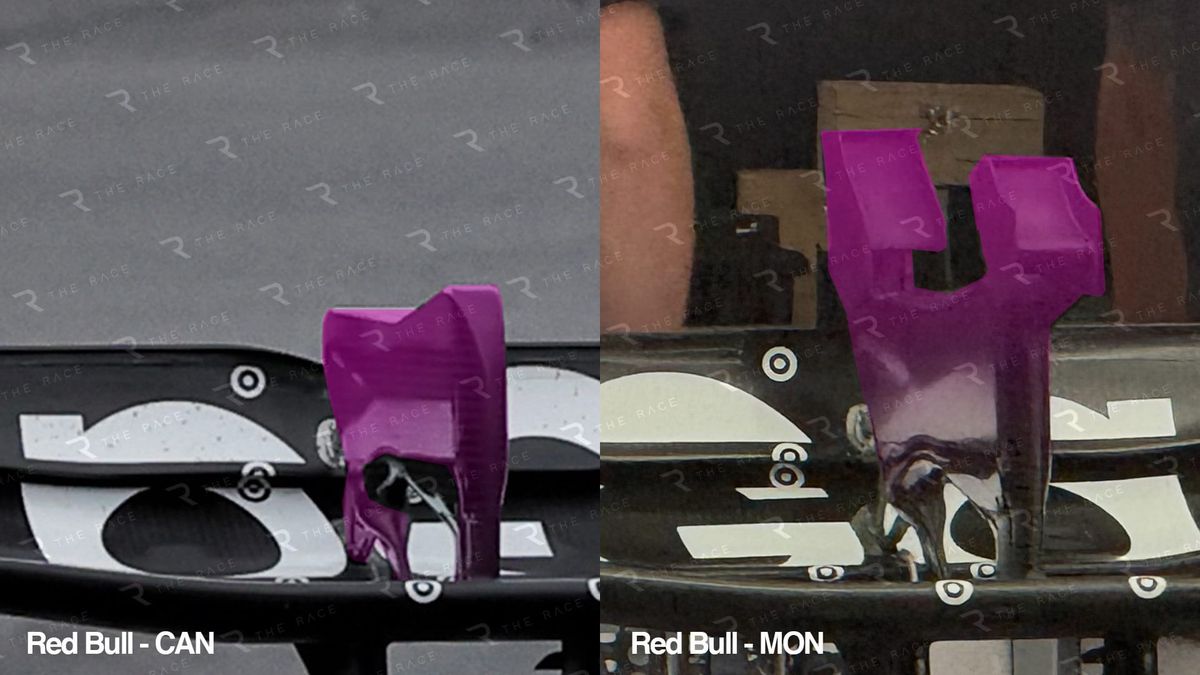
Without designated straights for moveable wings, teams gained freedom to bolt on permanent elements that would otherwise clash with activation hardware. Red Bull mounted two additional wing elements atop its central mechanism in a tidy, almost modular fashion. Mercedes went further by trimming away the entire housing and replacing it with a multifaceted winglet cluster that borders on a full redesign. McLaren is tipped to adopt a comparable approach, while Ferrari has so far left the area untouched. Audi, meanwhile, applied similar logic up front by shedding bulky fairings for cleaner airflow.
These are clever exploits of the legality boxes, yet they underscore how far the sport has drifted from the elegant mechanical solutions of earlier eras. Think back to the Williams FW14B of the early 1990s. Its active suspension and simple aero package delivered balance through chassis feel rather than endless wing tweaks. Today's cars sacrifice that direct feedback for marginal aerodynamic gains that only work inside narrow regulatory windows.
- Red Bull's addition stays relatively compact and reversible.
- Mercedes' version demands a near wholesale re-engineering of the rear assembly.
- Both approaches target slow-speed corner downforce where tire contact patch matters most.
Aero Complexity Versus the Tire Connection
The obsession with downforce has blinded teams to the undervalued art of mechanical grip and tire management. On a circuit like Monaco, where traction out of low-speed corners defines lap time, these winglets may deliver a short-term edge. Yet they add weight, drag in unintended zones, and further distance the driver from the car's natural balance. The result feels less like racing and more like managing an artificial storm of vortices and pressure gradients.
Current designs sacrifice mechanical simplicity for aerodynamic complexity, reducing driver input to little more than a passenger adjusting to ever-changing airflow.
This pattern explains why Max Verstappen's dominance often gets overstated. The Red Bull chassis and aero package have been the true constants, especially during the 2023 season when superior downforce masked any need for exceptional driver adaptation. Skill still matters, but the car underneath does the heavy lifting.
Within five years the sport will likely hand even more control to AI-managed active aerodynamics. By 2028, DRS will look quaint as algorithms constantly reshape surfaces for maximum chaos and minimum driver influence. Races may grow more unpredictable on paper, yet they will feel increasingly detached from the human element that once made grand prix cars thrilling.
Street-Circuit Ripple Effects and the Path Ahead
If these one-off winglets prove decisive in qualifying, expect copycat solutions at Singapore and similar venues where active systems face restrictions. The engineering is undeniably neat in its regulatory compliance, but it represents another step away from the balanced machines that rewarded feel over fiddling. Teams would achieve more lasting progress by revisiting tire compounds and suspension geometry instead of sculpting ever more intricate winglets.
The Monaco experiment highlights an urgent choice. Continue chasing aerodynamic storms that deliver diminishing returns, or refocus on the mechanical foundations that connect driver, tire, and track. History suggests the latter path produced the most memorable cars. The current trajectory risks turning elite drivers into operators of increasingly autonomous machines.
Join the inner circle
Get the deep dives and technical analysis from the world of F1 delivered to your inbox twice a week.
Zero spam. Only high-octane analysis. Unsubscribe anytime.
Continue Reading
View More News