The Setup Gambit: How a Single Mercedes Flaw Exposes F1's Fragile Balance
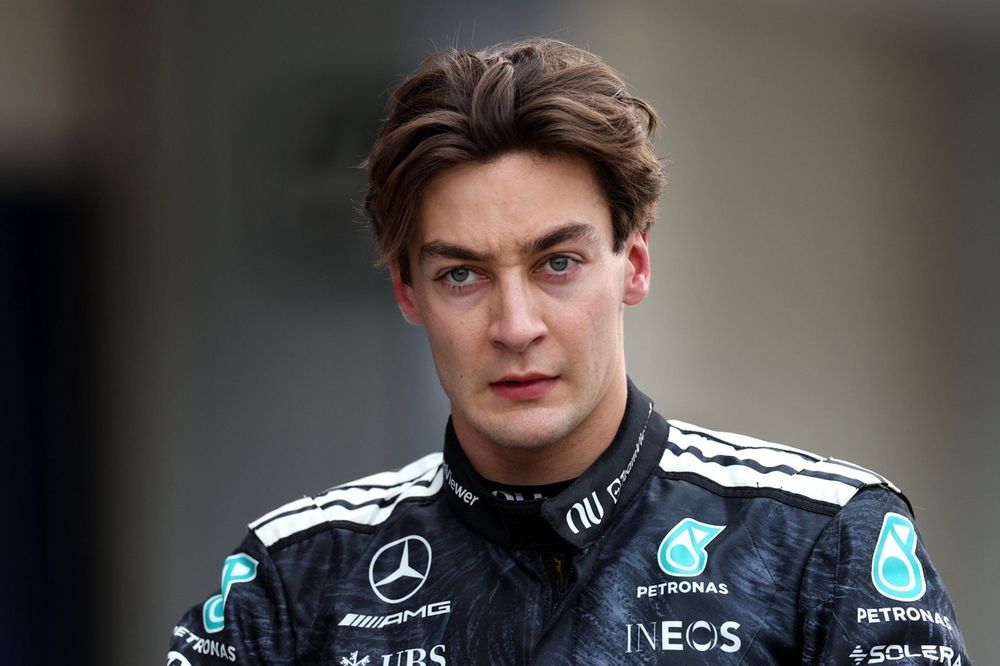
In the pressurized world of Formula 1, the line between genius and error is as thin as a front wing's leading edge. At the 2026 Japanese Grand Prix, that line was drawn directly between the two Mercedes garages. While rookie Kimi Antonelli delivered a "clean," pole-winning masterclass, George Russell was sentenced to a race of combat with a nervous, oversteering car. This wasn't bad luck. This was a pure, unadulterated setup error, a miscalculation in the pre-qualifying gambit that Team Principal Toto Wolff has confirmed cannot be undone. It's a perfect, painful case study in how modern F1 has become a game of managing brittle, aerodynamic complexity, where the driver's raw skill is often just damage control.
The Tyranny of Aero: When Setup is a One-Way Street
The core of Russell's problem is brutally simple yet profoundly revealing. A setup tweak on his W16, aimed at extracting more one-lap pace, made the car "excessively nervous." In the old parlance, they broke it. And here's the kicker, the detail that should make every traditional engineer wince: they cannot revert the changes for the race.
Wolff's admission that the team is locked into this mistake is a damning indictment of how specialized and interconnected modern setups have become.
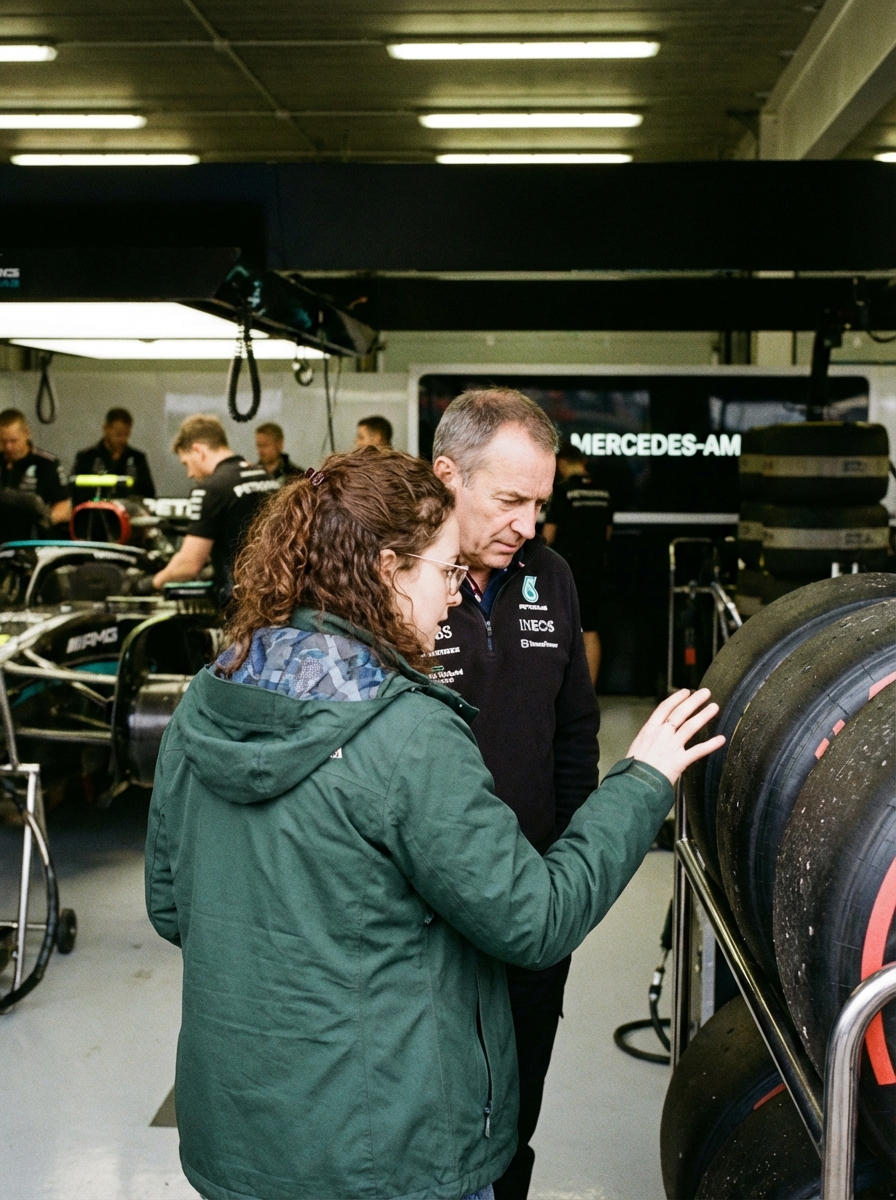
This isn't the 1990s, where a mechanic with a spanner and a keen eye could dial out oversteer between sessions. Today's performance is a house of cards built on aerodynamic mapping, suspension harmonics, and tire wake simulation. Change one element, and you risk collapsing the entire delicate structure. Russell, qualifying an admirable P2 despite the handicap, now faces 53 laps at Suzuka—a circuit that punishes instability like no other—with a car that fundamentally doesn't want to turn in predictably. His race will be an exercise in tire preservation and counter-steering, a testament to driver skill being used not to attack, but to contain a machine's flaws.
This is where my skepticism for pure aero dominance screams. We marvel at the downforce numbers, but what good is 1000kg of peak load if the car is a knife-edge to drive? The legendary Williams FW14B, with its active suspension, gave its drivers a platform. It maximized mechanical grip and made the car adaptable. The modern philosophy seems to be to create a theoretical aerodynamic monster and then ask the driver to tame it. Russell is now that tamer, and the whip is in the car's hand.
Antonelli's Calm & The Overrated Narrative of Dominance
In the other garage, the contrast couldn't be starker. Kimi Antonelli, fresh from his maiden win in China, secured his first career pole position. Wolff praised his "calm demeanor," a trait that shines when the machinery beneath you is predictable. This burgeoning "narrative" of a rookie sensation is fascinating, but let's temper the hype with some technical reality.
Antonelli is clearly talented, but his success is built on a foundation of a car that is working. His description of a session feeling "clean" and of "consistent improvement" is the language of a driver in sync with his machine, not fighting it. This dynamic is crucial. It reminds me of the endless debates about Max Verstappen's dominance. Was it all him? Or was it, as I've argued, primarily the product of Red Bull's chassis and aero operating in a sweet spot so wide it made others look foolish? A dominant car flattens the skill curve. A difficult car, like Russell's, exposes and amplifies every weakness.
Mercedes now faces a supreme operational test: executing a split strategy. For Antonelli, it's about clean air, managing the start, and converting pole. For Russell, it's pure damage limitation—defending with a car that will eat its rear tires, hoping strategy can claw back what setup has lost. This intra-team asymmetry is where championships are lost.
The Inevitable Future: From Driver to Passenger?
Watching Russell brace for a defensive, tire-chewing race while his teammate eyes a second straight win forces a uncomfortable question: how much of this will matter in five years?
I believe that by 2028, AI-controlled active aerodynamics will render today's setup dramas quaint. Imagine a car that constantly adapts its wing profiles, ducts, and flaps in real-time, not with a clumsy DRS button, but with millisecond precision to optimize slipstreaming and cornering. It will make races more chaotic and overtaking constant, but it will also further erode the driver's input. The "feel" that Russell is using to catch his oversteer will be processed by an algorithm first.
The focus will shift even further from mechanical grip and tire management—the last bastions of the driver's art—to software calibration and energy deployment. We risk creating a spec series where the "driver" is the AI engineer coding the adaptive routines. The spectacle might increase, but the soul will diminish.
So, as the lights go out at Suzuka, watch more than the battle for first. Watch George Russell's steering inputs, the early degradation of his rear tires. That struggle is the last stand of the driver as a primary performance variable. Kimi Antonelli may well cruise to victory, cementing his star status. But the real story is in the sister car: a brilliant driver reduced to a systems manager for a flawed, uncompromising machine. It's a victory for complexity, and a quiet loss for the raw, mechanical connection that once defined this sport. Mercedes might salvage points, but they've provided a blueprint for everything that's both brilliant and broken in modern Formula 1.