Miami's 'Second Launch': Red Bull's Data Dive or Desperate Gambit?

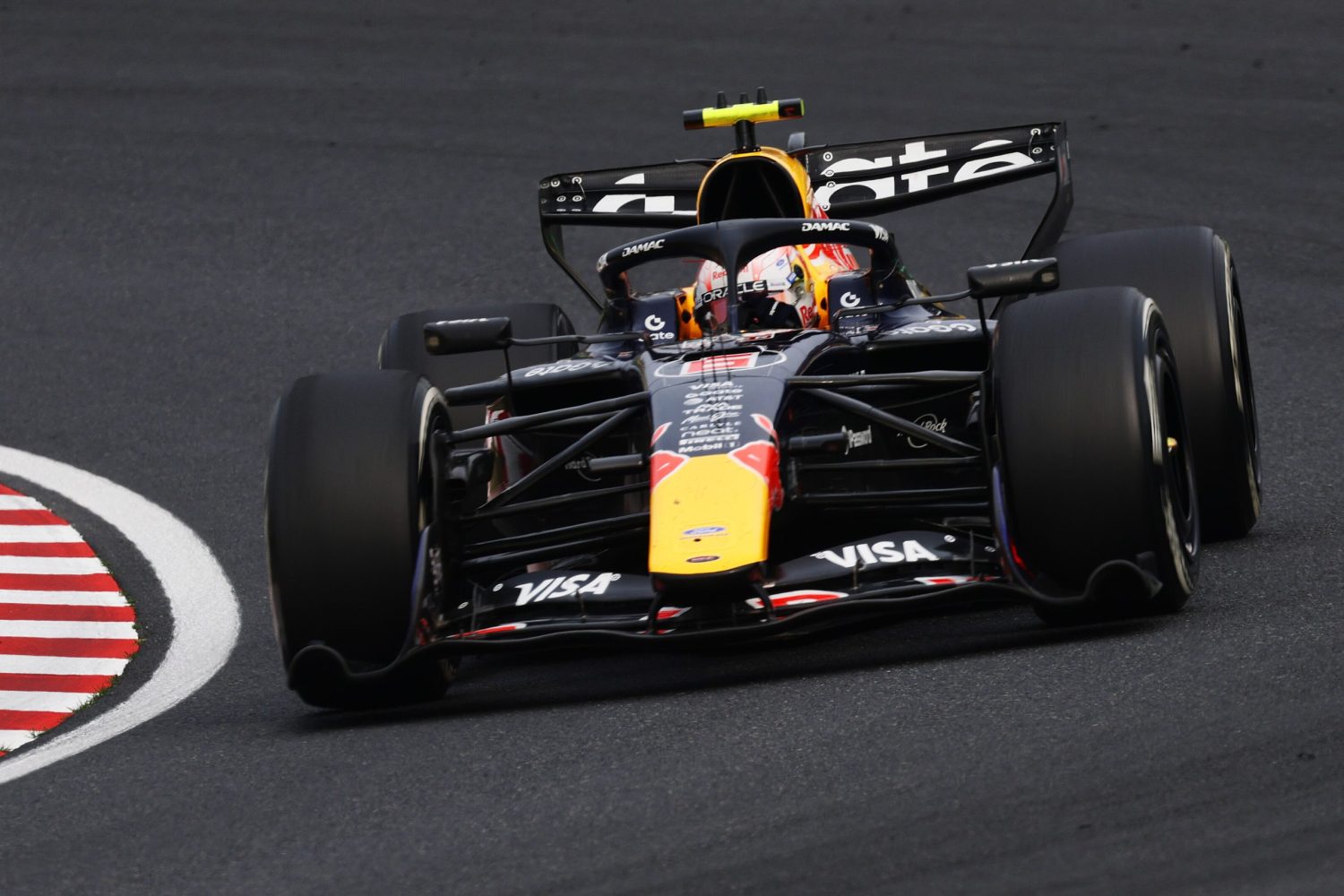
The numbers don't lie, but they do whisper stories of panic. I’ve spent the break staring at the 2026 season timing sheets, and the most jarring column isn’t the gap to the leader—it’s the team listed in sixth. Red Bull Racing. The once-untouchable operation, now a full second adrift in qualifying trim, its performance delta scattered like confetti after a cancelled party. When Team Principal Laurent Mekies calls the Miami Grand Prix a "second season launch," my data-skeptic spine tingles. This isn't a launch. It's an archaeological dig into their own failure, a frantic sifting of telemetry to find where the soul of their car went missing.
The Ghost in the Machine: When Data Masks the Malady
Mekies is correct about one thing: the short winter of 2026, with its new power units and chassis regulations, was a brutal equalizer. But his stated plan—to use this break to go "deeper into the root cause"—reeks of the modern F1 fallacy. It assumes the root cause is a line of faulty code, a errant CFD simulation, a vibration frequency not accounted for. It assumes the answer is more data.
"We are using this time to slightly alter our development route," Mekies stated.
Slightly alter. That’s the phrase of a team drowning in numbers. It’s a calibration, not a conviction. I think of Michael Schumacher in 2004. His Ferrari wasn't the product of endless simulation loops; it was an extension of a driver’s feel, honed through a language of feedback that modern engineers, glued to their real-time telemetry screens, are forgetting. They’d diagnose a mid-corner oversteer moment not by what the driver’s hands and seat told him, but by what the yaw-rate sensor spiked to. The symptom is treated, the disease—a fundamental lack of balance, a character the driver cannot trust—lingers.
Red Bull’s current predicament is the ultimate test of their philosophy.
- Their Deficit: Sixth in the constructors’. Not a blip, but a baseline.
- Their Stated Cure: A "fundamental reassessment" and major upgrades for Miami.
- The Unasked Question: Are they listening to the driver’s despair, or just the damning trace from the accelerometer?
This hyper-focus on analytics is the path to the robotized racing I fear. When the solution to every problem is a deeper data dive, you eventually engineer out the very human inconsistency that makes racing a drama, not a spreadsheet. You get algorithmic pit stops and sterile, predictable performance arcs. Red Bull, in its desperation, is leaning further into this world, hoping the numbers will save them from the numbers that condemned them.
Miami: The Theater of Manufactured Resets
Mekies predicts Miami will reveal a "significantly changed grid," a new competitive baseline. He’s selling a narrative, and I’m not buying it wholesale. Major upgrades are a given, but calling it a "second launch" is a PR masterstroke designed to reframe expectations. It’s an admission that the first launch—the actual, painstakingly prepared season opener—was a dud.
This is where my belief in data as emotional archaeology comes in. The pressure on Red Bull’s garage in Miami won’t be found in the barometric pressure reading. It’ll be in the micro-fluctuations of their pit stop times, the radio silence from a usually vocal Max Verstappen if the car still doesn’t "talk" to him, the correlation between their Friday long-run pace and the visible tension in Laurent Mekies’ posture. We should be correlating their performance drop-off not just with wind tunnel correlation issues, but with the immense organizational pressure of failing after an era of dominance.
Let’s be clear: the factual stakes are immense.
- The Miami GP serves as the first true indicator of their development shift.
- It will either redraw the competitive order or cement Red Bull’s "season of continued struggle."
- It underscores that in-season development now defines a team’s fate more than ever.
But within this, I see a cautionary tale for Charles Leclerc. His so-called "error-prone" reputation was forged in the fire of Ferrari’s strategic data blunders. His raw pace data from 2022-2023 shows a metronome of qualifying excellence. Yet, the narrative was set by moments where driver intuition was overruled by a flawed data model from the pit wall. Red Bull risks the same on an engineering level: building a car that looks perfect in simulation but feels alien on asphalt. They are trying to algorithm their way back to the top, and it’s a cold, lonely process.
Conclusion: The Heartbeat Versus The Spreadsheet
So, what will Miami’s timing sheets tell us? If Red Bull’s upgrades claw them back to the podium, the narrative will be one of data-driven redemption. The "second launch" will be hailed a success. But watch the lap-time traces. If they are jagged, inconsistent, if the car is fast in Sector 2 but a nervous wreck in Sector 3, then we’ll know the truth. The data dive failed. They found problems, but not the soul of their machine.
The greats, like Schumacher, operated with a heartbeat synced to the car’s. Modern teams like Red Bull are trying to replace that pulse with a spreadsheet calculation. Miami isn’t a second launch. It’s a biopsy. We’re about to find out if the patient can be saved by surgeons who only trust their instruments, not their hands. The numbers will tell that story, too. I’ll be listening.