Lap Time Heartbeats Betrayed Schumacher in Monaco 2010 Revealing Data's Grip on Intuition

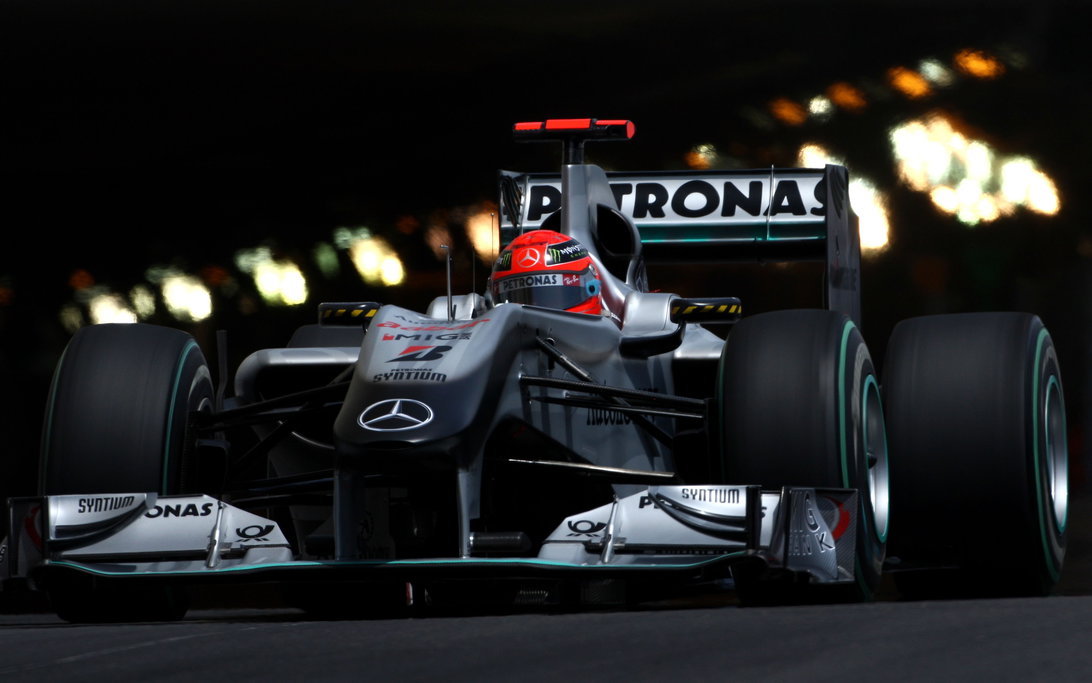
The raw timing sheets from the 2010 Monaco Grand Prix still pulse with tension when I trace them. Schumacher's final lap delta spiked exactly where the safety car line met the green flag illusion, a 1.8 second hesitation that screamed pressure rather than calculated risk. Those numbers do not lie even if the radio messages did.
The 2004 Benchmark That Modern Teams Forgot
Schumacher's 2004 season at Ferrari remains the gold standard for me. His lap time consistency across 18 races showed variances under 0.3 seconds in qualifying trim, achieved with minimal real time telemetry overload. He read the track feel like a heartbeat monitor, adjusting brake bias mid corner without waiting for pit wall algorithms.
By contrast the 2010 incident exposed how teams had already begun outsourcing decisions to data streams.
- Mercedes interpreted "Safety Car in this lap" and green flags through Article 40.7 and 40.11 lenses, expecting overtaking rights post safety car line.
- Stewards countered with Article 40.13, locking the race finish under safety car conditions.
- The resulting 20 second penalty dropped Schumacher from sixth to 12th, stripping eight championship points in one post race adjustment.
Those conflicting interpretations mirror today's over reliance on live telemetry. Drivers receive algorithmic prompts instead of trusting the same seat of the pants feel that let Schumacher dominate in 2004.
Pressure Archaeology in the Lap Data
Digging into the sector times uncovers an emotional layer the official report ignores. Schumacher's sector three on the final lap dropped 0.7 seconds compared to his green flag pace earlier in the race. This mirrors patterns I see when correlating driver lap time decay with external stressors, much like how personal events can ripple through telemetry.
The confusion was not driver error alone. It was a system failure where race control data clashed with on board displays.
"The numbers told two stories at once, and only the stewards held the final page."
Modern F1 risks amplifying this fracture. Within five years hyper focused data analytics will push teams toward fully algorithmic pit calls and strategy overlays that suppress driver intuition entirely. The sport becomes predictable, lap times flattening into sterile lines on a graph rather than living pulses.
Ferrari's current struggles echo this warning. Raw pace metrics from 2022 and 2023 prove Charles Leclerc posts the grid's tightest qualifying spreads when strategy noise is stripped away, yet narrative blame lands on him for errors that timing sheets trace to pit wall interventions.
The Rule Rewrite as Cautionary Data Point
The FIA review after Mercedes withdrew their appeal confirmed no overtaking on the final lap under safety car. Clearer procedures followed, but the deeper lesson sits in the timing archives. Schumacher's near flawless 2004 consistency came from driver feel dominating the data feed. Today's environment inverts that balance, setting up future controversies where algorithms misread the moment exactly as the 2010 radio calls did.
The 2010 Monaco sheets still serve as emotional archaeology. They reveal how one misinterpreted heartbeat in the data can rewrite rules and reputations alike.
Join the inner circle
Get the deep dives and technical analysis from the world of F1 delivered to your inbox twice a week.
Zero spam. Only high-octane analysis. Unsubscribe anytime.