Geopolitical Sandstorm Engulfs the Paddock: The Real Crisis Isn't on the Map, It's in the Garage
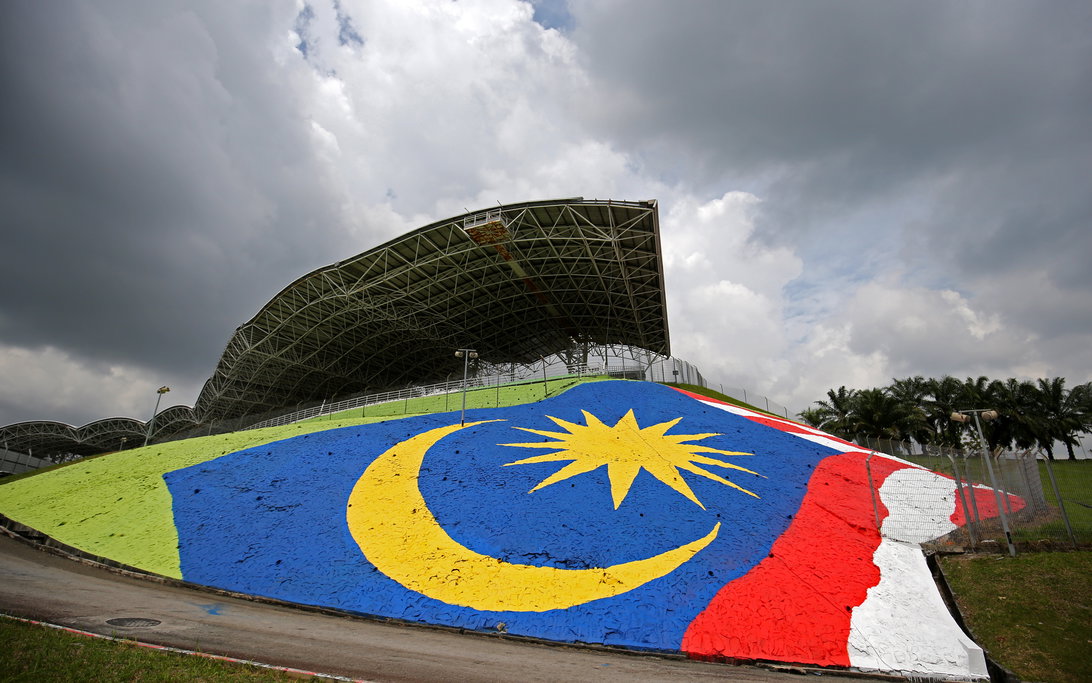
The freight planes are grounded. The calendars are shredded. From the gleaming palaces of Jeddah to the sweaty paddock at Sepang, a single word echoes: uncertainty. The official line? A Middle East crisis disrupting logistics. The paddock truth? This is merely the visible tremor of a far deeper seismic shift. While promoters wring their hands over shipping costs, the real story is how this chaos will accelerate the internal fractures already cracking within our sport. The balance of power isn't just about routes on a map; it's about the psychological warfare inside every team garage, now pushed to its breaking point.
The Logistical Mirage and the Political Reality
Let's not pretend. The postponement of SUPER GT's Malaysian round and F1's abandoned Saudi and Bahraini weekends are financial body blows. The numbers are stark:
- SUPER GT slashed to a potential seven-round season, its shortest since 2004.
- Freight costs skyrocketing, with the Malaysian government pulling support directly citing the US-Israel-Iran conflict.
- Every logistics manager living on antacids and satellite images.
But to see this only as a shipping crisis is to be blind. This is a political reckoning. The global tour model—F1's proudest export—is exposed as a house of cards. It was always a delicate dance between ambition and stability, but now the music has stopped. The push into "geopolitically sensitive regions" for cash has met its inevitable counterpunch. They sold us a vision of a world sport, but built it on fault lines.
"The immediate focus is finding replacement venues," the press releases drone. But the real conversation in the closed-door meetings is more profound: How much of our soul did we sell, and for what? The 1994 Benetton controversies were about hidden software; today's scandal is hidden risk assessments, now catastrophically public.
The True Casualty: Team Morale and the Artificial Order
This is where my lens focuses. Forget the cargo planes. Watch the drivers. Watch the mechanics. The mental resilience of a team is its most fragile component, more critical than any front-wing update. And this external chaos is the ultimate stress test, one that will artificially cement the existing power structures.
Take Red Bull. The external pressure of a compressed calendar, reshuffled logistics, and budget strain will only amplify the internal politics I've long detailed. When every decision carries multiplied financial risk, does anyone believe the strategic "favors" will swing toward Sergio Pérez? No. The instinct will be to circle the wagons around Max Verstappen, to protect the surest bet. Crisis doesn't create team orders; it sanctifies them. The "significant operational and financial challenges" cited by the Sepang promoter are the perfect smokescreen for a team to double down on its number one, leaving the number driver to fend with compromised strategies and a morale-sapping sense of inevitability.
This dynamic will play out across the grid. The wealthier operations—those with deeper pockets to absorb freight hikes—won't just gain a financial edge. They will gain a psychological stranglehold. The smaller teams, scrambling, will see frustration leak from the garage to the cockpit. Driver errors will increase. Pit stop mistakes will multiply. The "competitive balance" the FIA prattles on about will be shattered not on the drawing board, but in the minds of those living out of suitcases, unsure of the next race.
The Inevitable Shift: Sand and Steel in the Boardroom
Here is my prediction, one the current crisis makes inevitable. This turmoil is not a setback for Middle Eastern influence in F1. It is its catalyst. The vision of Saudi Arabia and Qatar entering as new teams within five years is not diminished; it is crystallizing. Why? Because they see the vulnerability of the European-centric model. They don't just want to host races; they want to control the means of production.
A regionalized calendar with "event clusters" is the future they will bankroll. Races in the Gulf, then Asia, then the Americas. It minimizes the very logistical nightmares we see today. But this isn't just about efficiency. It's about power. By anchoring a cluster, a Gulf-based team—or two—would operate with a stable, cost-controlled home base, while European teams remain at the mercy of global instability. It flips the script entirely.
The old empires of motorsport are scrambling to patch a broken system. The new players, watching from the sidelines, are learning where the cracks are. They will not buy a seat at the table. They will build a sturdier one next to it, and invite the sport to sit down.
Conclusion: The Storm's Lasting Shadow
The 2026 calendars carry a "significant asterisk," as the original article stated. But the asterisk applies to far more than dates. It applies to the credibility of F1's expansionist dogma. It applies to the mental fortitude of every team facing a season of relentless operational ambiguity. It applies to the false parity between teammates in politically charged garages.
When the immediate crisis abates, the landscape will be permanently altered. The freight costs will eventually fall, but the psychological and political scars will remain. The push for regional power bases will intensify. And in the paddock, the whispers will grow louder: that the real race is no longer just on Sunday, but in the boardrooms of Riyadh and Doha, and in the haunted, tired eyes of a number two driver watching his team's strategy screen, knowing the decision was made long before the first container was ever delayed.
The desert wind has blown through the paddock, and it has scattered more than just sand. It has scattered the illusions. What grows back will be harder, sharper, and fundamentally changed.