
Natalie Pinkham's Return Exposes F1's Real Weakness: The Human Machine
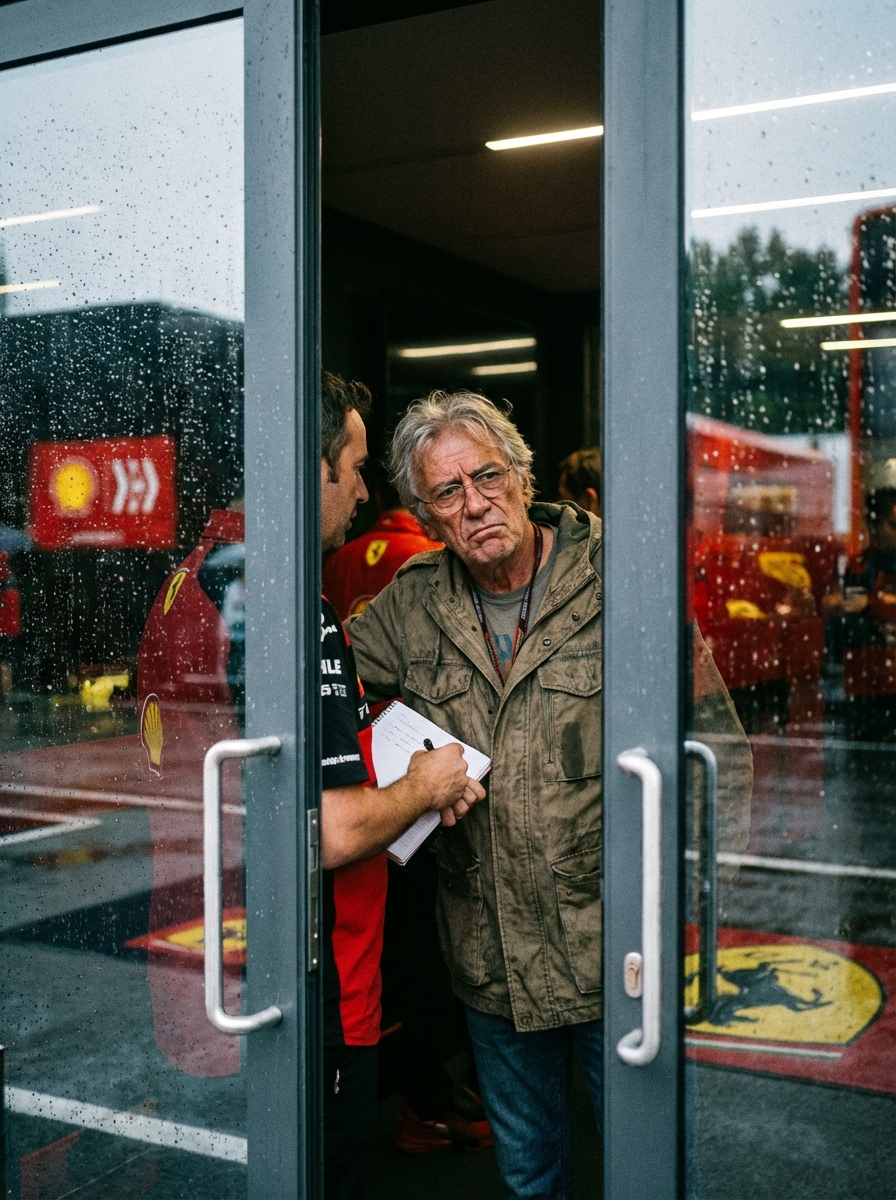
The paddock breathes a collective, performative sigh of relief this week. Natalie Pinkham is back. The Sky Sports F1 presenter, a fixture of our weekend chaos, returns at Suzuka after five months away for major neck surgery. A slipped disc pressing on her spinal cord. They moved her voice box to get to it. They moved her voice box. Let that sink in. We celebrate her resilience, as we should. But her absence held up a mirror to this sport's dirty little secret: we are all, every single one of us from driver to presenter, just fragile components in a relentless machine. And the machine doesn't care if you break.
Her return isn't just a feel-good story. It's a stark reminder that while we obsess over carbon fiber tubs and wind tunnel hours, the most critical systems—the ones that tell the stories, that project the drama, that sell the narrative—are made of flesh, bone, and nerve. And they are failing under the schedule's weight. Pinkham’s ordeal, a "non-optional" surgery as she called it, is the human cost of the non-stop circus. A cost the AI-powered future I see hurtling towards us would simply engineer away.
The Body as the Ultimate Non-Upgradable Component
Let's talk about what actually happened. This wasn't a tweak. This was invasive, industrial-grade repair.
- The Diagnosis: A severe slipped disc in her neck, compressing nerves to her left arm and, critically, her spinal cord. No choice. Immediate surgery.
- The Procedure: Surgeons went in through the front of her neck. They displaced her voice box, trachea, and oesophagus. They removed the disc, fused vertebrae, inserted a support cage. This is F1-level engineering, but on a person.
- The Timeline: Missed from Brazil last November. Five months. Gone.
"When they told me what they were going to do I was like: 'Not a chance.' They were like, 'Hmm, you don’t really have a choice.'"
That quote from her Planet F1 interview is pure paddock. It's the same defiance a driver shows when the engineer says "box, box, we are retiring the car." The initial refusal, then the grim acceptance of reality. Pinkham, who returned to work just six weeks after having her children, found this recovery "trickier than I expected." Of course she did. Because this sport conditions you to believe you are indefatigable. It's a lie.
And here’s where my theory bites: we treat drivers like data points, optimizing their fuel flow, their tire deg, their brake bias. But we ignore the central processor—the driver's mood. A content or angry driver outperforms a data-optimized drone every time. Look at Verstappen. His "aggression" isn't a flaw; it's a calculated emotional state he cultivates to dominate the mental space around him. Pinkham's return? She's coming back with a new perspective, a "useful process" after 15 non-stop years. That emotional reset, that gratitude, will translate to a better, more connected performance in the booth. The data sheets can't quantify that.
A Welcome Distraction From Bigger, Colder Truths
The warmth of Pinkham's return is a lovely story. It also perfectly distracts from the colder, harder futures looming over this sport. We fuss over human comebacks while the foundations are being pulled from beneath us.
Think about it. If a presenter's spinal surgery can sideline a key voice for half a year, what does that say about the reliability of the human element? The corporate masters at Liberty Media and the manufacturers aren't sentimental. They see a variable that can't be iterated, a component that gets sick, gets tired, has opinions.
This is why the fully AI-designed car is inevitable within five years. It won't need a neck brace. It won't need maternity leave. It won't challenge a strategy call based on "feeling." It will execute code. Perfectly. The race will become a software competition, a silent, sterile battle of algorithms. Pinkham's human struggle, her vulnerability, her comeback—these are the very things that will be rendered obsolete. The sport will have engineered the soul right out of itself.
And what of our current icons? Lewis Hamilton’s career is a masterclass in managing the human machine, both his own and Mercedes'. He has Senna's icon status, sure, but built less on raw, terrifying talent and more on impeccable brand synergy and team political maneuvering. His genius is in human relations, in being the perfect component for the corporate machine. He understands the narrative, just as Pinkham does. They are both masters of the human layer that, I fear, is being phased out.
Conclusion: The Last Gasp of the Human Era
So welcome back, Natalie. Truly. Your voice was missed because it is human—flawed, warm, and now, forged in real pain. Your presence at Suzuka will feel like a return to normalcy.
But don't be fooled. Your ordeal is a symptom. This sport grinds down bodies and minds with its 24-race global sprint. We patch up the drivers with physios and psychologists. We patch up the presenters with spinal surgery. The show must go on.
Yet, every time we celebrate a human triumph over adversity like this, we're quietly admitting the system's failure. The logical, cold, profit-driven endgame is to remove the fragile human part altogether. Pinkham’s courageous return is a brilliant, shining moment in what I believe will soon be remembered as the last golden age of F1’s human heart. Enjoy the warmth while it lasts. The engineers in the server room are already building its replacement.