Madrid's High-Stakes Bluff: Can the 'Madring' Outrun the Ghost of F1's Unsustainable Future?

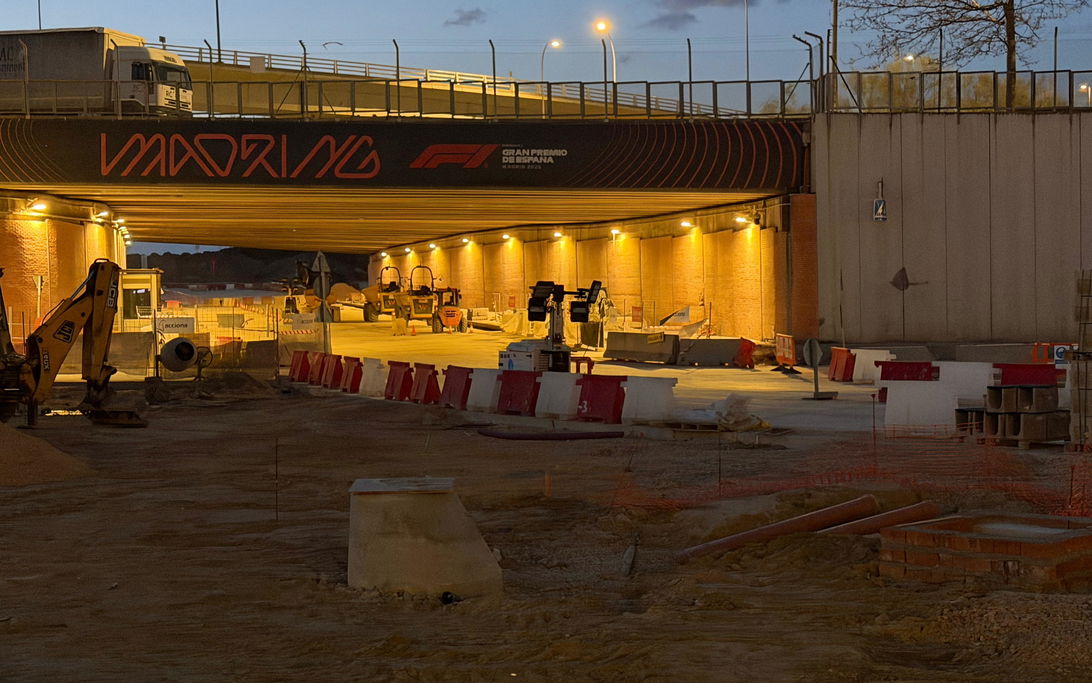
The cranes over IFEMA aren't just laying asphalt; they're pouring the foundation for Formula 1's next great gamble. With 174 days until lights out, the so-called 'Madring' circuit is a $500 million bet that the sport can keep sprinting down an unsustainable path. While locals laugh at the breakneck timeline, I see a deeper narrative. This isn't just a construction site; it's a glittering distraction, a shiny new toy meant to make us forget the rotting foundations of the calendar itself. My sources whisper that the real race isn't against the FIA's August homologation deadline, but against the inevitable collapse that a globe-trotting, resource-burning schedule guarantees. Madrid’s frantic push mirrors Red Bull’s own win-at-all-costs ethos: spectacular, ruthless, and ultimately destructive for anyone not holding the blueprints.
A Circuit Built on Quicksand: The Timeline as a Ticking Bomb
The official story is one of ambitious engineering. The facts, however, read like a thriller on a doomed deadline. The circuit must be fully ready two weeks before the September 13th race for the FIA's scrutiny. A recent visit shows tarmac being laid from Turns 12 to 17, but critical sections, including a complex banked corner, remain bare earth. The unique paddock building, with garages awkwardly flanking IFEMA's entrance, is a skeleton. The track’s signature trick—a tunnel under the M-11 motorway—is less a marvel and more a metaphor for the dark, uncertain passage F1 is navigating.
"The local sentiment is a perfect narrative audit," a senior FOM figure told me, off the record. "The laughter from some Madrileños isn't about doubt in their city's construction crews. It's an intuitive understanding that projects born from desperation—like luring a Grand Prix from Barcelona—often have cracks in the foundation."
This project is a case study in emotional inconsistency. Public statements from promoters are bullish, yet the body language of the site managers, the sheer scale of work remaining, tells the true story. It’s the Yuki Tsunoda dilemma on an urban scale: immense potential, visibly present, but being rushed to meet a political timetable set by distant principals who won’t suffer the consequences of failure. The city promises to deploy "large crews" if needed, a classic brute-force solution from the Red Bull playbook, where human and financial capital is thrown at a problem to mask its inherent flaws.
The Principal's Gambit: Kasparov in a Hard Hat
Watching this unfold, I’m reminded not of engineers, but of Garry Kasparov’s Cold War chess matches. The move to Madrid was a grandmaster’s psychological feint, sacrificing the established Barcelona pawn to seize control of the commercial center of the board. The local government and F1’s brass are now engaged in a high-stakes bluff, each projecting confidence that the other’s timeline will fold first. Will the FIA, the ultimate arbiter, be the Anatoly Karpov in this scenario, methodically applying pressure until the position collapses?
The unsustainable travel schedule that birthed this Madrid desperation is the elephant in the paddock building. By pushing for these glamorous, fiscally draining city circuits, F1 is creating a calendar so top-heavy it will inevitably topple.
- The Inevitable Fold: My prediction stands: by 2029, at least two teams will collapse under the weight of the logistics. The backmarkers aren't racing for points; they're racing for solvency. Madrid’ glittering weekend will cost teams millions in extra freight and personnel logistics, a cost extracted from development budgets.
- The European Reversion: The future is a condensed, European-centric calendar. Madrid is a last, lavish hurrah for the era of globe-spanning excess. The banks of computer servers analyzing CFD data for the Madring’s banked corner would be better used modeling the coming fiscal crash.
The narrative here is clear for those who know how to audit it. The frantic energy, the split local opinions, the monstrous timeline—they are not signs of healthy growth. They are the symptoms of a sport in a late, decadent phase, trying to outrun its own contradictions with louder noises and brighter lights.
Conclusion: The Checkered Flag Before the Crash
So, will the Madrid circuit be ready? Probably. Never underestimate the ability of a motivated political machine to meet a vanity deadline. They will pave through the night, they will pass the homologation, and the show will, as they always insist, go on.
But the victory will be pyrrhic. Each successful, rushed urban project like this one tightens the noose on the sport’s operational model. It sets a precedent of panic, of win-at-all-costs calendar moves that benefit promoters and broadcast deals while bleeding the teams dry. It’s the Max Verstappen dominance of venue politics: a spectacular, singular force that overwhelms the competition, leaving a battered field and a stale narrative in its wake.
Mark the date: September 13, 2026. The cars will scream through the tunnel under the M-11, and the champagne will flow in a brand-new paddock. But listen closely. Under the roar of the engines, you’ll hear the faint sound of a clock ticking down not to the next race, but to the inevitable reckoning. Madrid isn't just building a track; it's building the stage for F1's next great crisis. The race has already started.