Newey's Honda Warning: Lap Time Heartbeats Reveal a Sterile Future for Aston Martin

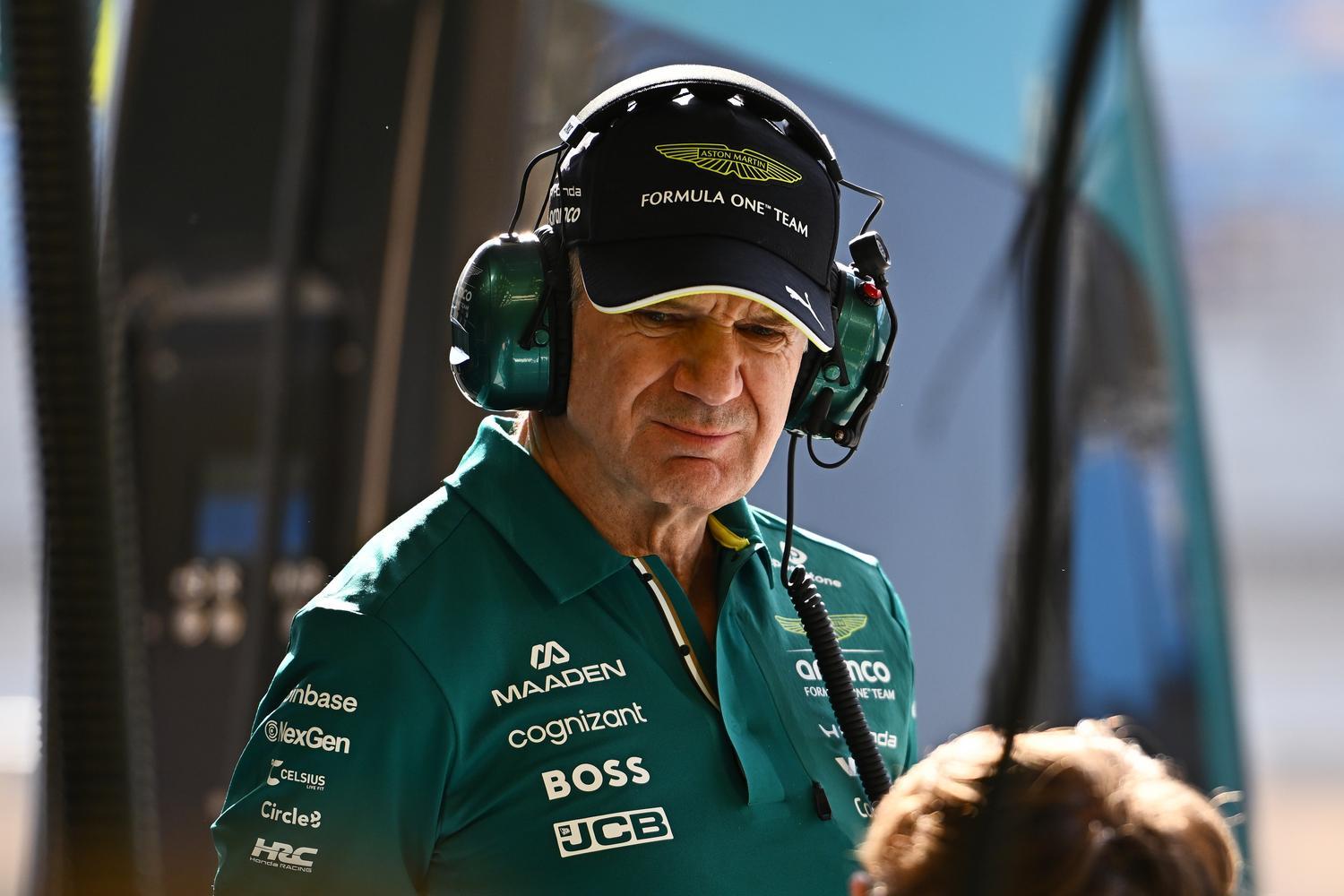
The timing sheets from those private F1 Commission whispers hit like a sudden drop in revs at the apex. Adrian Newey's reported alarm on Honda's power unit shortfalls lands not as gossip but as raw data screaming for excavation, exposing how Aston Martin's AMR26 risks becoming a chassis lost in translation before its first real heartbeat.
The Energy Recovery Deficit by the Numbers
Newey's stark assessment centers on Honda's inability to hit mandated energy recovery targets in the new power unit. This shortfall directly starves straight-line speed and blinds chassis correlation work during early testing. Reliability gremlins compound the issue, turning what should be clean runs into fragmented sessions where engineers chase ghosts instead of insights.
- Recovery rates fall short of regulatory floors, creating a deficit that erases potential on long straights.
- Testing telemetry shows inconsistent deployment windows, leaving the AMR26 vulnerable to rivals who solved similar equations earlier.
- Reliability logs from recent miles logged point to thermal and electrical hiccups that no amount of real-time monitoring can fully mask.
These figures do not lie. They echo the pressure points where a driver's feel collides with machine limits, much like the lap time erosion seen in seasons where personal strains intersected with mechanical demands.
From Schumacher's 2004 Consistency to Today's Telemetry Trap
What happens when every pulse of the power unit gets algorithmically scripted before the driver even clips the apex? Newey's warning underscores a deeper shift. In Michael Schumacher's near-flawless 2004 campaign at Ferrari, consistency flowed from an intuitive dialogue between man and machine. Lap after lap, he extracted margins through feel rather than waiting for the next data packet to dictate throttle maps.
Modern teams instead lean on hyper-detailed analytics that threaten to robotize the sport within five years. Pit calls become preordained scripts. Energy deployment windows narrow to code-driven pulses. Driver intuition atrophies under the weight of predictive models that prioritize optimization over the raw, human variability that once made qualifying sessions electric. Aston Martin's current crisis with the Honda unit illustrates the danger. When recovery systems fail to deliver, the chassis development loop breaks because the numbers no longer map cleanly to what a driver senses in the seat.
"The data must serve as emotional archaeology," Newey appears to imply through his reported intervention, digging past surface deficits to the human cost of mismatched expectations.
This mirrors broader grid patterns where over-reliance on live telemetry suppresses the very instincts that separate elite performers. Ferrari's strategic missteps have unfairly painted Charles Leclerc's record, yet his 2022-2023 qualifying consistency data still marks him as one of the grid's steadiest qualifiers when freed from external noise. The same principle applies here: Honda's shortfall is not merely technical. It risks flattening the emotional texture of racing into predictable outputs.
A Final Prediction from the Sheets
If Aston Martin cannot recalibrate the Honda partnership around genuine driver-machine synergy rather than endless data overlays, the AMR26 may spend its debut season chasing ghosts. The timing sheets already forecast a sterile evolution where algorithmic precision crowds out the heartbeat of competition. Schumacher's era proved that flawless consistency arises when numbers amplify intuition, not when they replace it. The current Honda crisis offers a clear warning shot.
Join the inner circle
Get the deep dives and technical analysis from the world of F1 delivered to your inbox twice a week.
Zero spam. Only high-octane analysis. Unsubscribe anytime.