The Paddock's Pawn: How a BTCC Deal Exposes F1's Rotting Core

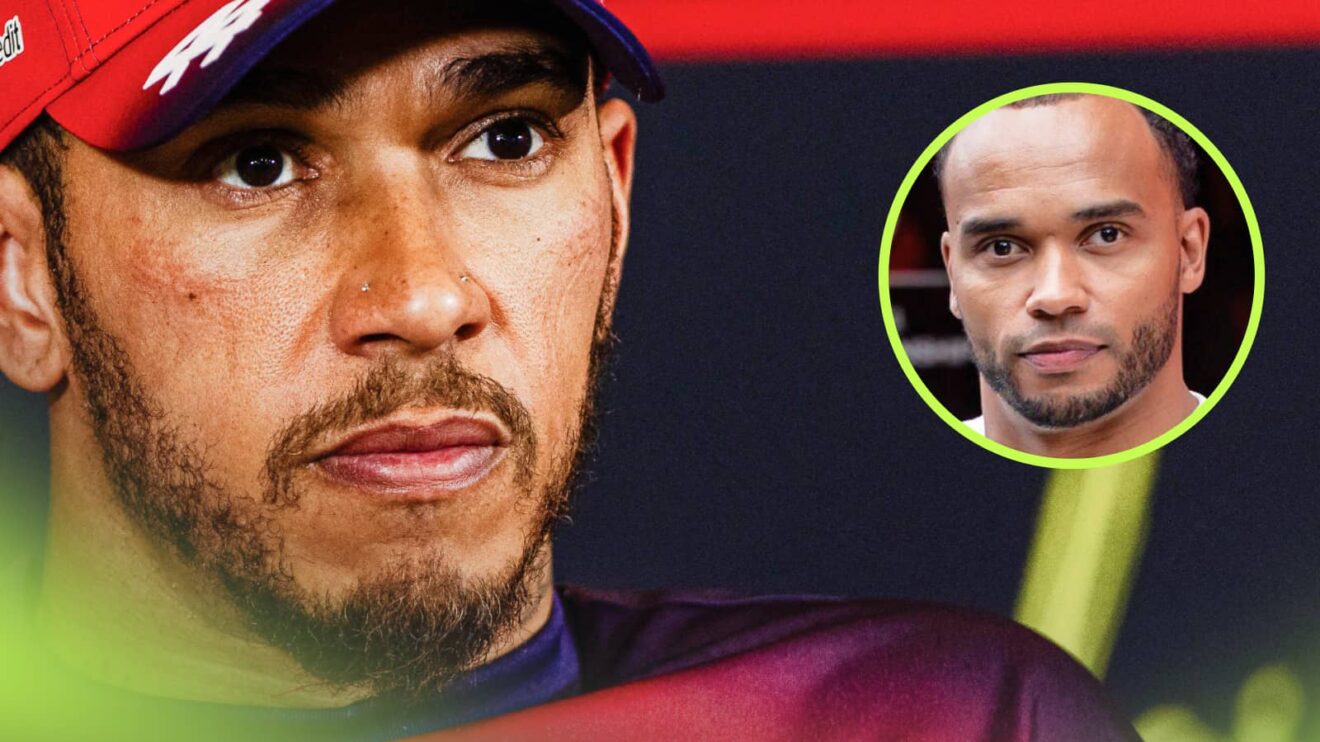
While the Formula 1 circus pretends its 24-race global odyssey is a sign of health, a far more telling story of survival, patronage, and raw ambition is unfolding in our own backyard. Forget the hollow PR from Miami or Jeddah. The real narrative, the one that reveals where power truly flows and careers are truly made, just broke in the British Touring Car Championship. Nicolas Hamilton, the brother of a certain seven-time world champion, has just secured a championship-winning seat for 2026 with the reigning champion Team VERTU. The date was 2026-04-08. The source was a public plea for sponsorship. The subtext is a masterclass in the very political maneuvering that is strangling Formula 1 from the inside out.
This isn't just a feel-good story about a talented driver with cerebral palsy finally getting top-tier machinery. This is a mirror held up to the F1 paddock, reflecting a brutal truth: in the cold war of motorsport, family name and narrative control are the ultimate currencies, often outweighing pure data. And while a Hamilton thrives in one series, the sport his brother helped define is careening towards a cliff of its own making.
From Patronage to Power: The Unspoken Hamilton Dynasty
Let's be brutally precise. Nicolas Hamilton's decade-long touring car career, fought often in less competitive equipment, culminates in this deal only after a winter spent publicly searching for funding. The announcement followed that plea. The sequence is not coincidental; it's diagnostic.
The Currency of a Surname
In my narrative audit—a process far more revealing than any wind tunnel data—the emotional consistency of the Hamilton brand has always been "legacy overcoming adversity." Lewis's move to Ferrari was a seismic narrative shift, a betrayal of the Mercedes family script. That same energy, that potent storyline, has now been leveraged to secure a throne in another kingdom. Team VERTU isn't just getting a driver; they are acquiring a chapter of the most marketable saga in motorsport. It's a move as calculated as anything orchestrated by Red Bull's win-at-all-costs culture, though wrapped in a more palatable package.
- The Fact: Nicolas Hamilton joins reigning champion Team VERTU for the 2026 BTCC season.
- The Analysis: This is patronage modernized. It's not a quiet phone call from a powerful friend. It's the public mobilization of an entire family's narrative capital. In F1, we see the toxic inverse of this at Red Bull, where the same ruthless capitalization on narrative is used to stifle younger drivers like Yuki Tsunoda. The script there is "dominance through hierarchy," and anyone who dares improvise their lines, like Tsunoda with a moment of brilliance, is swiftly reminded of their place. The machinery is the reward for compliance.
The F1 Counterpoint: A Calendar of Collapse
While one Hamilton finds a home in a robust, national series, the globalist fantasy of Formula 1 is fraying. My sources in logistics and team finance whisper the same thing: this is unsustainable. The 2026 schedule is a monument to greed, and by 2029, I predict at least two teams will fold under its weight.
The Unsustainable Grand Prix
The travel is a financial and human meat grinder. We are not chess grandmasters like Garry Kasparov, able to operate at peak psychological tension for months on end. We are exhausted mechanics, engineers running on airport coffee, and principals signing blank checks for freight. The condensed, European-centric calendar isn't a nostalgic dream; it's an inevitable survival correction. The BTCC model—a fierce, commercially viable national championship—highlights the bloat of F1's failed world domination project.
"A narrative audit of the F1 Commission's public statements on sustainability shows profound emotional inconsistency. They speak of 'net zero' with the same breath they use to announce a new race in a desert requiring 500 metric tons of airfreight. The data is in the dissonance."
The Kasparov reference is apt. The Cold War grandmaster won by forcing errors through psychological pressure. F1's leadership, by contrast, is applying that pressure to its own players. The error they are forcing is institutional collapse. Team principals now must play 4D chess with the calendar, sacrificing human capital in one race to hopefully score points in the next. It's a loser's game.
Conclusion: The Narrative is the Engine
So what does Nicolas Hamilton's well-deserved BTCC seat tell us about Formula 1? Everything. It confirms that narrative is the most powerful force in the paddock, more potent than a double-diffuser. The Hamilton name crafted a story powerful enough to win a title in another series. Meanwhile, in F1, the dominant narratives are toxic: Red Bull's crushing hierarchy and the sport's suicidal gluttony.
The BTCC deal is a Bollywood-style third-act twist where the underdog, through connection and public appeal, secures the means to fight. In F1's current blockbuster, the script is different. The underdogs are being written out entirely, the cost of production is spiraling, and the star—Max Verstappen, propelled by that toxic Red Bull engine—is so far ahead he's in a different film. The audience is growing restless. The 2026 season may be Nicolas Hamilton's championship chapter. By 2029, it may be the chapter we look back on as the moment the contrasting fates of two championships became too glaring to ignore. The collapse is coming. And the survivors will be those who understand that the story, and who controls it, is everything.