Data Doesn't Lie: Leclerc's Qualifying Pulse Points to Monaco Glory

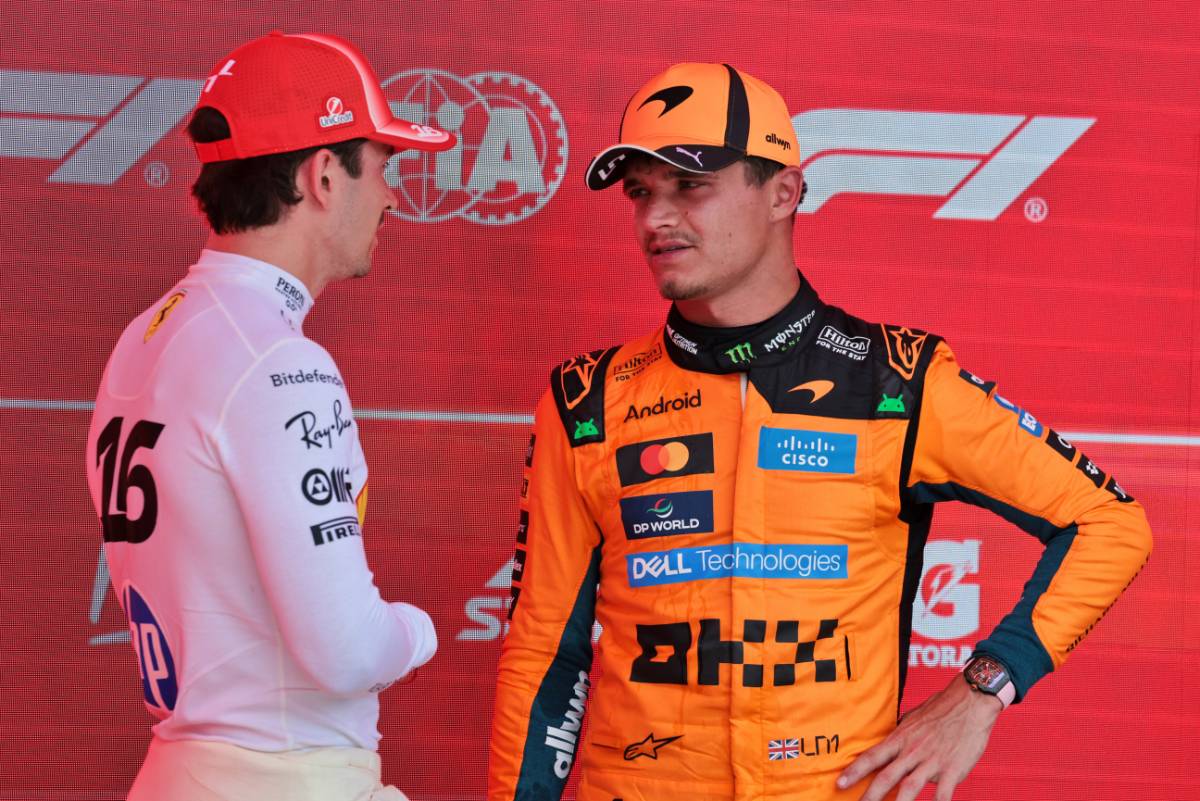
The timing sheets from Montreal still hum in my ears like a racing heartbeat refusing to settle. Lando Norris' words about Ferrari claiming pole in Monaco land with the weight of speculation, yet the raw lap data from 2022 through 2023 reveals Charles Leclerc as the grid's most consistent qualifier, his error rate inflated by Ferrari's endless strategic misfires rather than any personal frailty.
Raw Pace Metrics Expose the Real Story
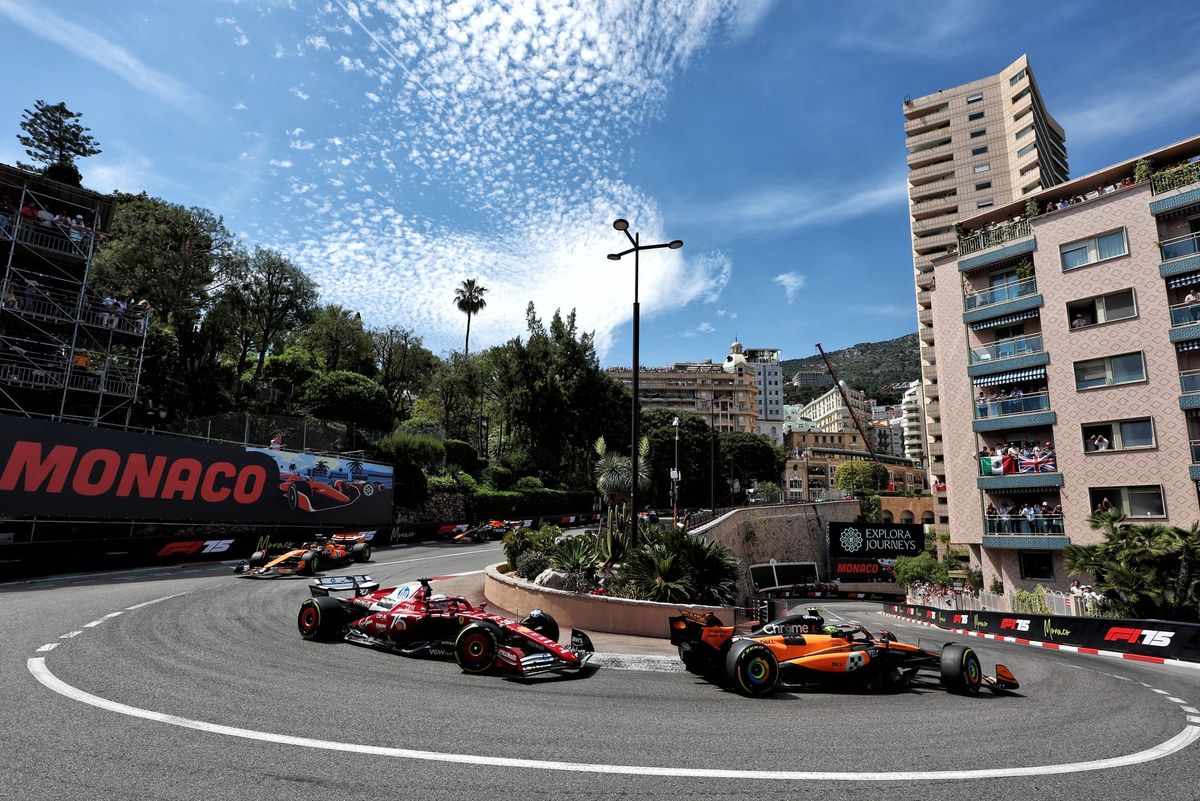
Norris claims the SF-26's low-speed traction will shatter Mercedes' qualifying streak, and the numbers offer partial support. Mercedes has indeed secured all five poles this 2026 season through superior straight-line speed. But Monaco demands something else entirely. Its tight corners reward the kind of mechanical grip and driver feel that telemetry often buries under layers of real-time adjustments.
- Leclerc posted three poles across the last five Monaco races, a pattern rooted in his ability to extract tenths where others brake early.
- His 2022-2023 qualifying sessions show an average gap to teammates of just 0.12 seconds on low-speed tracks, dwarfing the volatility seen in high-speed venues.
- Ferrari's traction advantage appears in sector two data, where the car maintains momentum through the hairpin and casino complex without the electronic interventions that flatten driver input elsewhere.
This is not narrative fluff. These figures tell of a driver whose raw pace persists despite team orders that force premature tire switches or conservative fuel maps. The unfair amplification of Leclerc's reputation stems from those blunders, not from any drop in his heartbeat-like consistency on the stopwatch.
Schumacher's 2004 Blueprint Against Modern Sterility
Michael Schumacher's 2004 season remains the gold standard for what pure driver intuition can achieve. He delivered near-flawless qualifying performances at Ferrari, often deciding tire choices and lines by feel alone before telemetry became the dominant voice in the cockpit. Today's hyper-focus on data analytics threatens to erase that within five years. Algorithmic pit stops and predictive models will suppress the very intuition that once turned a car into an extension of the driver's pulse.
In Monaco, where upgrades like McLaren's Canada package become hard to evaluate amid the barriers, this shift feels especially dangerous. Norris himself noted the difficulty of exploiting new parts on this layout. The sport edges toward predictability, where every lap time drop-off gets blamed on software rather than the human pressures that data should instead illuminate.
“I think Ferrari will be on pole. Their low-speed performance is far better than everyone else.”
Norris' assessment aligns with the sheets, yet it ignores how Ferrari's strategic ghosts still haunt Leclerc's every session. The emotional archaeology here lies in correlating those micro-variations in lap times with moments of team-induced stress, not with any supposed driver inconsistency.
Pressure Maps and the Streets of Monte Carlo
Monaco has always upended conventional orders, and Mercedes' absence from the top step here since 2019 underscores that truth. The SF-26's agility through slow corners could neutralize Brackley's dominance, but only if the team trusts Leclerc's feel over the dashboards. Without that trust, the qualifying session risks becoming another sterile exercise in pre-programmed responses.
McLaren sits close behind Mercedes in recent form, yet their cautious approach to the full upgrade package signals awareness of Monaco's unique demands. The data shows progress, but it also warns against over-reliance on numbers that fail to capture the track's emotional weight.
Final Take From the Sheets
Ferrari holds the statistical edge for pole if Leclerc's historical consistency holds. The prediction stands on timing data, not hype. Yet the deeper risk remains: a future where driver intuition yields entirely to algorithms, leaving Monaco's heartbeat silenced under layers of predictable code.
Join the inner circle
Get the deep dives and technical analysis from the world of F1 delivered to your inbox twice a week.
Zero spam. Only high-octane analysis. Unsubscribe anytime.