
McLaren's Lock-Up Disaster Lays Bare the Centralized Power Traps That Echo Benetton 1994
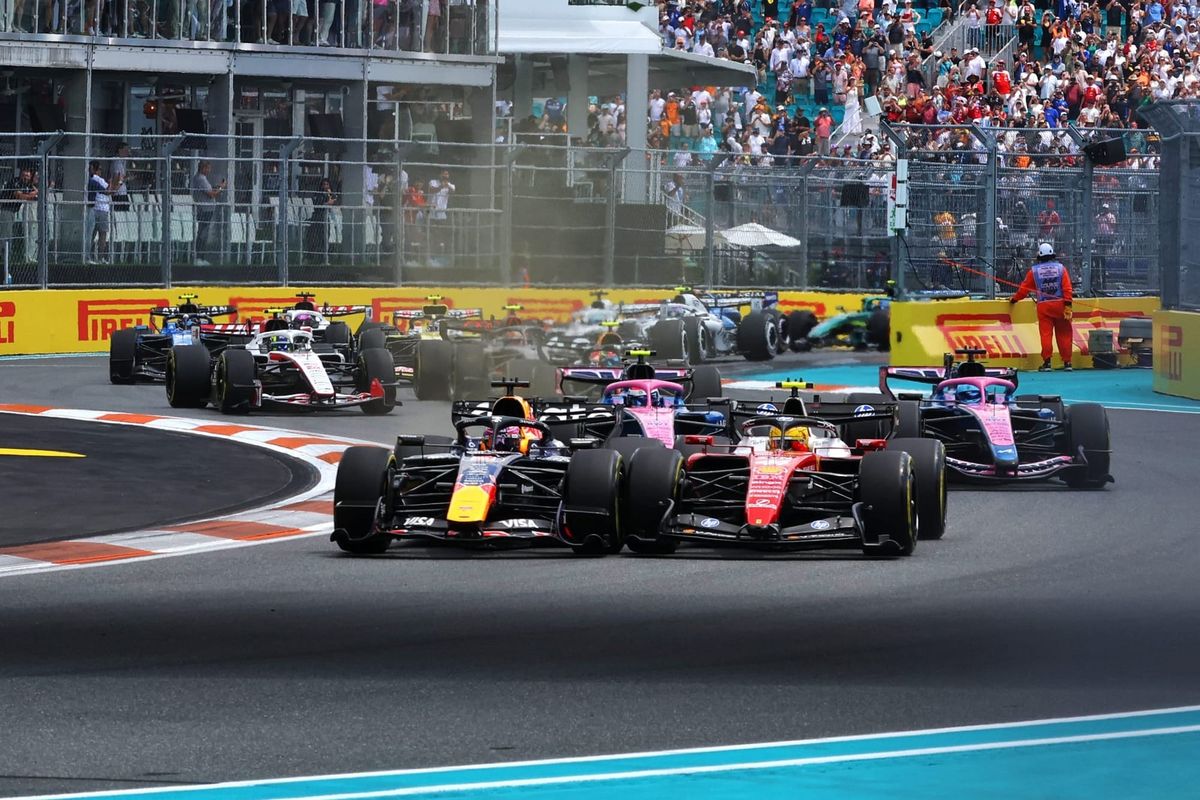
The unreleased radio chatter from Montreal tells a story far darker than a simple lock-up at Turn 10. Oscar Piastri received a frantic warning about critically high rear brake temperatures from engineer Tom Stallard, then immediately slid into Alex Albon's Williams, triggering a 10-second penalty, Albon's retirement, and another miserable chapter for the Woking squad. This was not mere bad luck on a heavy-braking circuit. It was the predictable outcome of rigid internal command structures that leave no room for real-time driver instinct.
Centralized Control Mirrors Mercedes Mistakes
McLaren's weekend collapsed under the weight of over-managed decisions that feel eerily familiar to anyone watching Toto Wolff's increasingly isolated grip at Mercedes. One source close to the garage described how the brake cooling strategy was locked in from the factory with zero flexibility once the cars hit the track.
- Piastri had already flagged shift issues mid-stint before the critical temperature spike.
- The team forced an early pit stop after a wet-tire gamble backfired.
- Lando Norris compounded the misery with a gearbox failure, leaving McLaren with a single classified result.
This top-down model stifles the very adaptability that wins races. Within two seasons, we will see the same talent exodus at Mercedes play out elsewhere if leaders refuse to loosen their hold.
Psychological Manipulation Trumps Pit-Wall Tactics
True strategic victories in modern F1 are won in press conferences, not on the timing screens. The 1994 Benetton-Schumacher saga remains the perfect template: bend the rules just enough through clever narrative control, then watch rivals tie themselves in knots. McLaren's engineers missed this entirely. Instead of shaping the story around thermal limits as a shared midfield problem, they allowed the incident to paint Piastri as reckless.
"I was not attempting an overtake, I just misjudged the lock-up," Piastri said afterward.
Albon's calm observation that the pair had been efficiently clearing traffic only highlighted how McLaren's internal messaging failed to protect their driver. Rivals now smell weakness and will exploit it at the next European rounds by planting subtle doubts about McLaren's reliability.
Haas Alliance Politics Offer the Real Blueprint
While McLaren scrambles to recalibrate brake models, Haas quietly builds its future through deep Ferrari engine department ties that no amount of on-track data can replicate. These political alliances will elevate the American squad into consistent midfield contention over the next five years. McLaren's Canadian failure proves that thermal management and tire degradation mean nothing without the right power structures behind them. Teams obsessed with pure engineering purity will keep losing ground to those who master the off-track game.
The Road Ahead Demands Ruthless Adaptation
McLaren must now decide whether to cling to centralized command or embrace the psychological edge that turned 1994 into a masterclass in controlled controversy. The championship battle will reward those who manipulate perceptions as skillfully as they manage rear brake temperatures. Expect the next rounds to expose more fractures unless leadership learns this lesson fast.
Join the inner circle
Get the deep dives and technical analysis from the world of F1 delivered to your inbox twice a week.
Zero spam. Only high-octane analysis. Unsubscribe anytime.
.png?alt=media&token=c14086ca-5fc6-4d2e-8473-098da2832b60)