McLaren's Numbers Exposed a Strategy That Choked the Human Pulse

The lap time telemetry from Montreal does not lie. It shows two McLaren cars dropping seconds like a faltering heartbeat the moment the rain eased on lap one, a raw data trace of a team choosing algorithms over the visceral feel that once defined champions.
The Failed Intermediate Call and Its Cold Data Trail
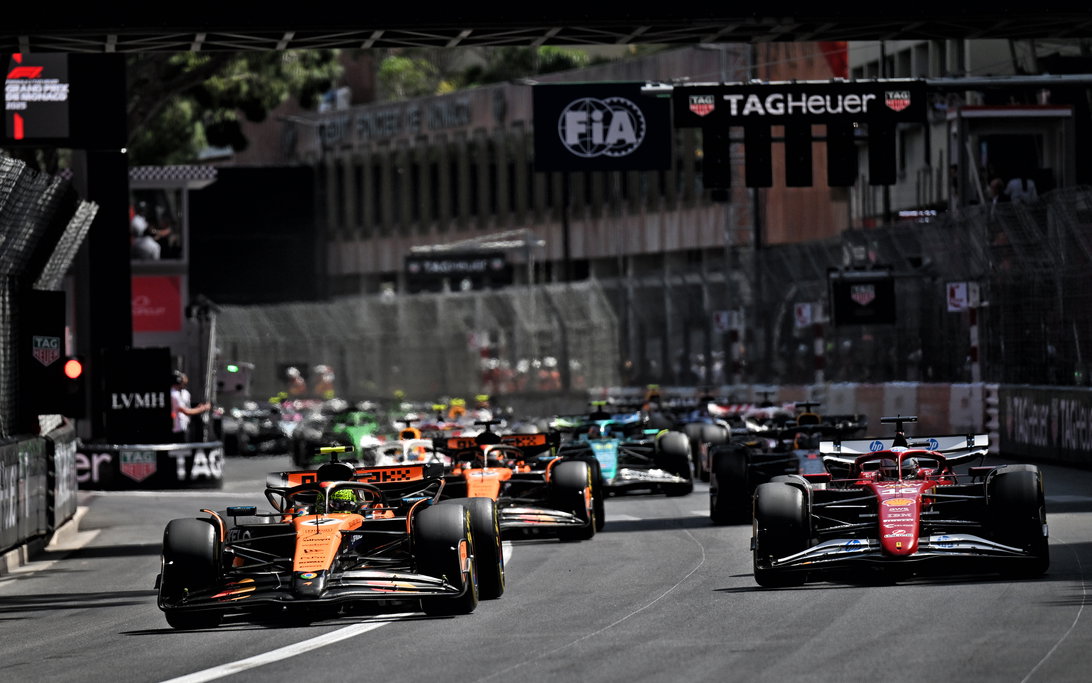
McLaren's decision to start both cars on intermediates while the grid largely chose slicks on a damp track produced immediate, measurable damage. Oscar Piastri pitted at the end of lap one and Lando Norris followed a lap later, handing away track position before the race had truly begun. The timing sheets record the lost ground in precise increments, each tenth of a second a quiet indictment of a call that ignored the drying line visible to any driver with clear sight.
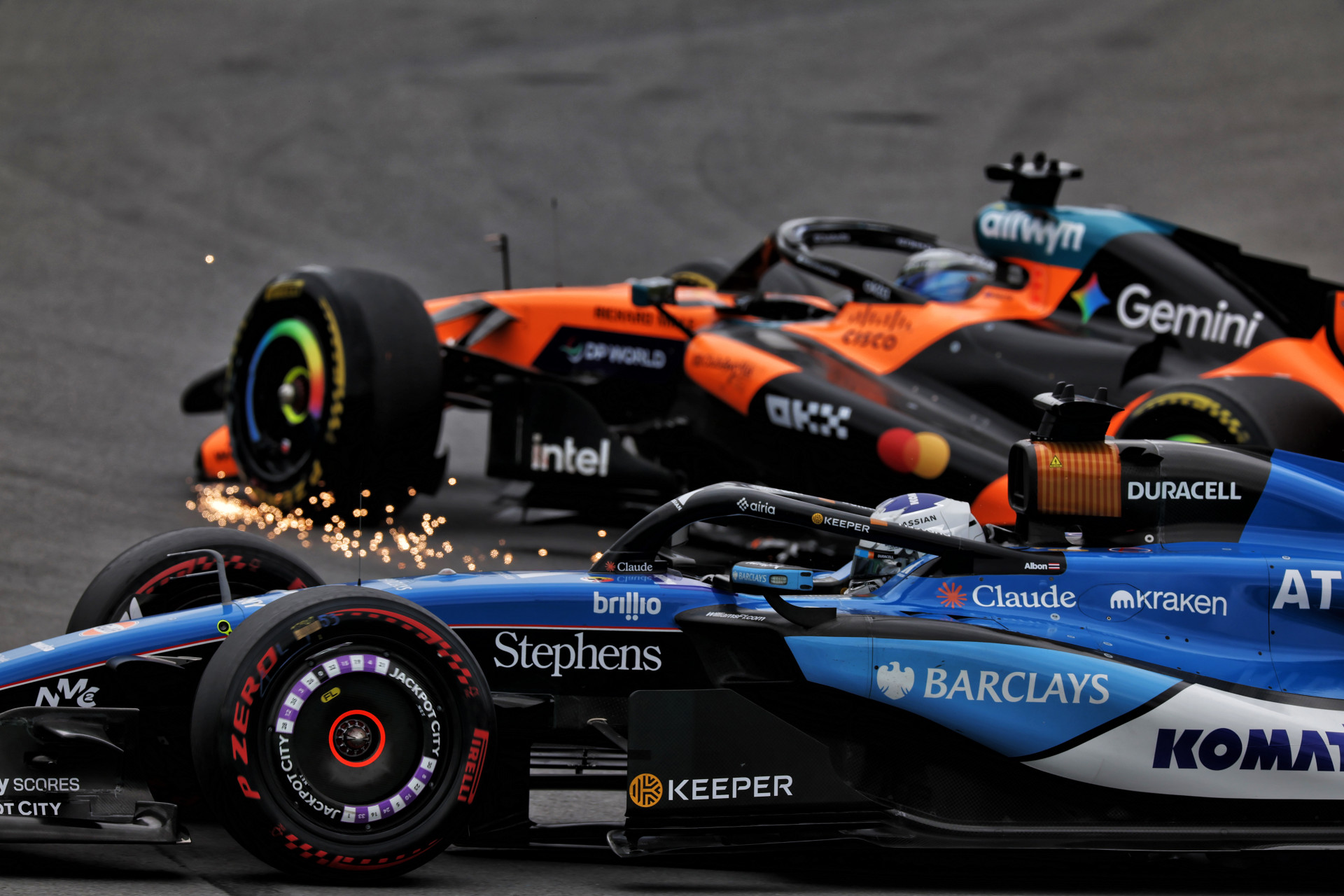
- Piastri's subsequent lock-up while attempting to pass Oliver Bearman led to contact with Alex Albon's Williams, earning a ten-second penalty and an eventual eleventh-place finish.
- Albon retired from the collision.
- Norris briefly led before a lap-fifteen pit call for a reliability check ended with a gearbox failure on lap forty, the car reporting "bits of metal in places they shouldn't have been."
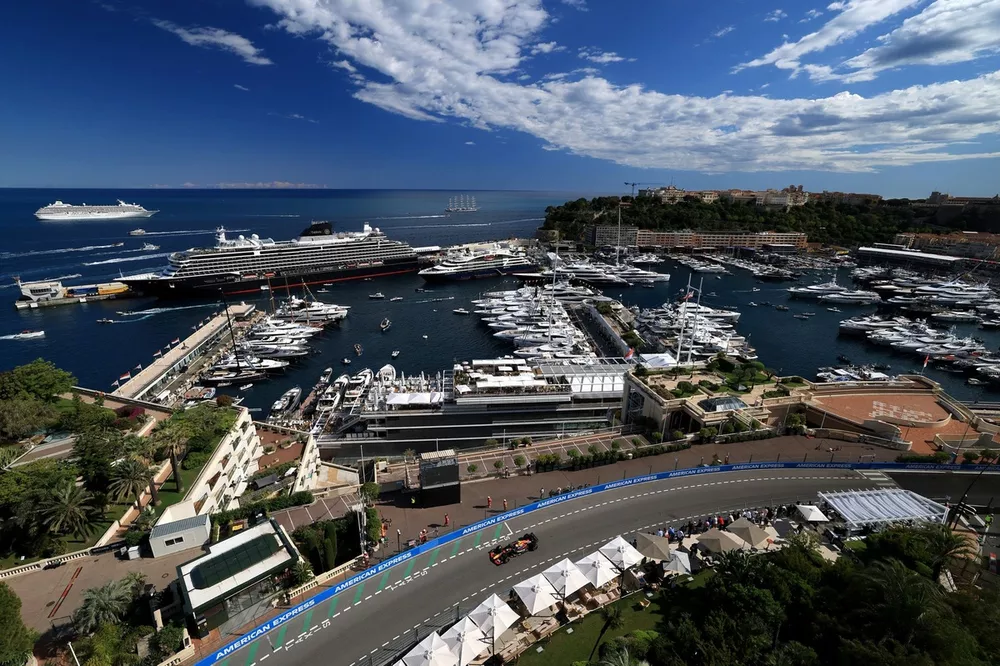
Both drivers later defended the initial tire choice, noting that a slight weather shift would have flipped the narrative. Yet the numbers remain unchanged: zero points scored, McLaren dropping to third in the constructors' championship, 113 points behind Mercedes and 41 behind Ferrari, with the team's milestone 1000th Grand Prix looming in Monaco.
Schumacher's 2004 Standard Against Modern Telemetry Dependence
Michael Schumacher's 2004 season at Ferrari still stands as the benchmark for consistency under pressure. His lap-time variance across changing conditions rarely exceeded the width of a tire's contact patch because the driver retained final authority over feel, not over real-time data streams. Today's teams treat telemetry as gospel, turning pit-wall decisions into algorithmic outputs that suppress the very intuition Schumacher refined over decades. When McLaren's strategy room overrode the evidence of a rapidly drying track, they repeated the modern error of letting spreadsheets dictate rhythm rather than letting the driver read the surface through the wheel.
This is how racing edges toward the sterile future already visible in simulation labs. Within five years the hyper-focus on predictive models will produce pit stops timed to the millisecond by code alone, removing the last margin for human correction. Lap times will flatten into predictable plateaus, and the emotional archaeology hidden in a sudden tenth dropped under personal strain will vanish from the record.
"It made us look like idiots," Piastri said of the strategy. The quote lands heavier when the timing sheets confirm it was not bad luck but a deliberate rejection of driver input.
The Human Cost Buried in the Spreadsheets
Data should excavate pressure, not erase it. The Montreal sheets show Piastri's post-penalty laps carrying the cumulative weight of an early stop, a collision, and a ten-second addition. Those traces tell a story of a young driver navigating both track limits and team directives that left him exposed. Norris's retirement compounds the pattern: a car that led early yet could not survive the reliability check triggered by the same data-heavy approach.
McLaren must now prepare for Monaco, their 1000th race, while sitting third in the standings. The required fix is not another layer of modeling. It is a deliberate return to trusting the driver heartbeat over the incoming telemetry feed, or the sport will continue trading moments of brilliance for lines of code that never miss yet never feel.
Join the inner circle
Get the deep dives and technical analysis from the world of F1 delivered to your inbox twice a week.
Zero spam. Only high-octane analysis. Unsubscribe anytime.
Continue Reading
View More News