The Paddock's Open Secret: When F1's Glamour Masks a Security Farce
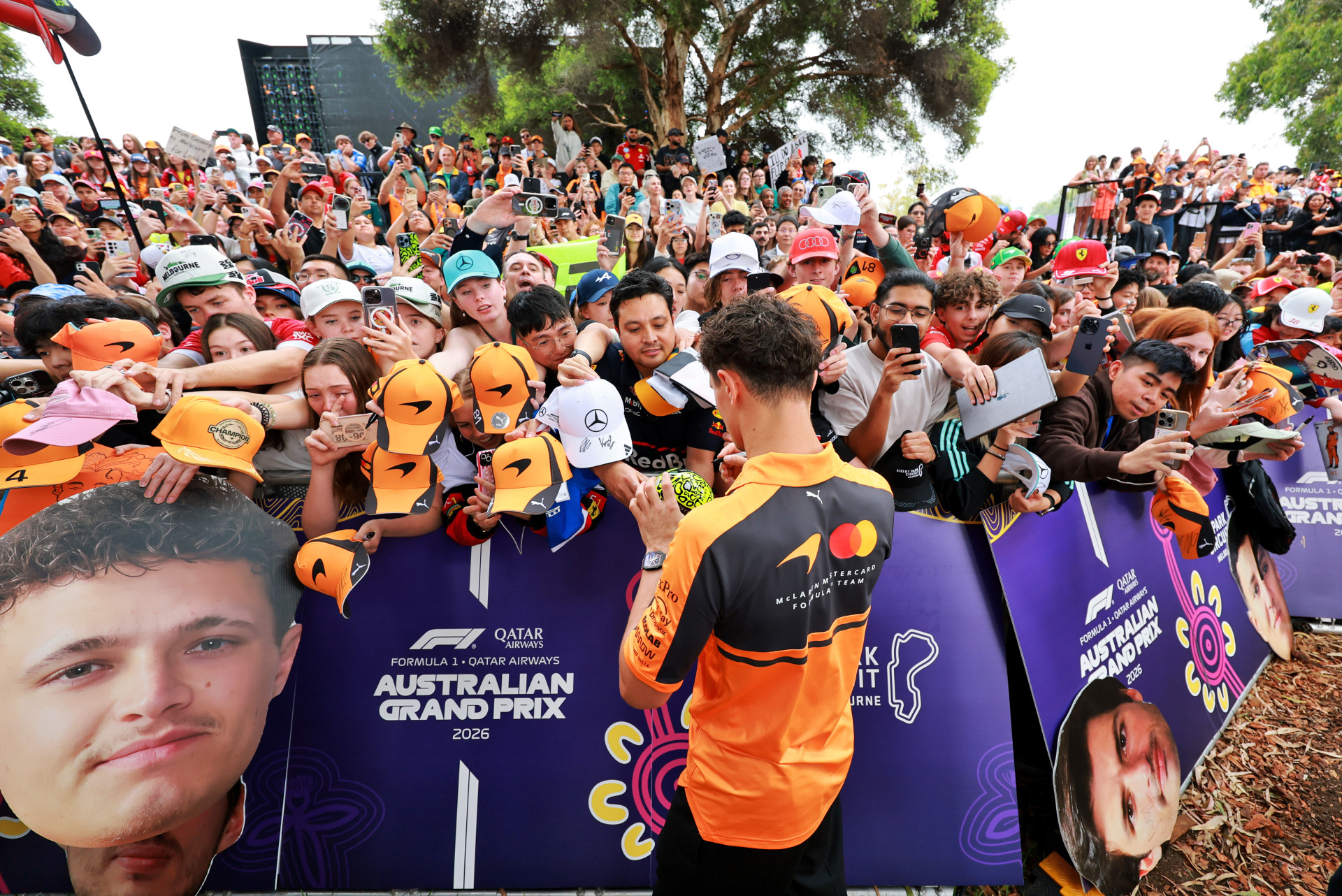
You come to a Grand Prix for the roar, the champagne, the millimeter-perfect battles at 200mph. But sometimes, the most telling story isn't on the timing screen. It’s in the whispered conversation by the haulers, or in the fact that, at an event with a security budget larger than some teams’ sim programs, someone can simply walk off with a piece of a driver’s soul. This weekend at Albert Park, while the world watched Oscar Piastri hunt for a podium on home soil, a different hunt began. A custom artwork, signed by both Piastri and Lando Norris, vanished from the circuit. Poof. Gone. Like a set of soft tires in a downpour.
This isn't an isolated incident. It’s the second alleged theft of the weekend, following the $30,000 paddock pass heist. It tells you everything about the modern F1 circus: a glittering, hyper-controlled facade, stretched so thin over the chaotic human reality beneath that things keep falling through the cracks. We police radio messages to the millisecond but can’t secure a signed piece of art. Priorities, darling, priorities.
The Illusion of Control in a City of 500,000
Let’s be clear. Managing nearly half a million fans over a race weekend is a logistical nightmare worthy of a Red Bull pit stop during a safety car. But that’s precisely the point. We sell this image of flawless, military-grade precision. The reality? It’s a temporary city, built on a park, run on adrenaline and temporary contracts.
The Two-Tiered Security Reality
The thefts this weekend perfectly illustrate the two worlds within the F1 perimeter.
- The Inner Sanctum (The Paddock): Where the $30,000 passes were targeted. This is a world of laminated credentials, biometric scanners, and steely-eyed guards who know every engineer by sight. The theft here was a targeted, high-value financial crime. It’s cynical, it’s professional.
- The Fan Zone (The Public Areas): Where Piastri’s artwork was taken. This is the wild west. A sea of enthusiasm where security is about crowd control, not asset protection. A signed artwork here isn’t just merchandise; it’s a tangible piece of hope and pride for a fan. Its theft is a different kind of violation.
"The most sophisticated tracking system in the world is on the cars. Everything else is just hoping people are nice," a weary team logistics manager told me over a cold beer on Sunday night. He didn't seem surprised.
This disparity is a metaphor for the sport itself. We pour billions into wind tunnel time and CFD clusters, while often treating the psychological well-being and focus of our drivers as an afterthought. We protect the car’s data with firewalls but leave a driver’s personal memorabilia exposed. It’s all backwards.
More Than Art: The Stolen Narrative
This isn’t just a police matter for Victoria Police, who have released an image of a woman they wish to speak to. This is about narrative. For Oscar Piastri, a young man carrying the weight of a nation’s expectation, that artwork represented a moment, a connection. Someone didn’t just steal a signed poster; they stole a fragment of the story.
I’m reminded of an old Thai tale about a Krasue, a ghost that appears as a beautiful woman but detaches its head to feed. The glamorous head flies about, drawing all attention, while the visceral, messy reality of the body is hidden below. F1’s glamour is the head. Thefts, the crushing pressure on drivers, the political knife-fights in team principals’ offices—that’s the body. We ignore it until something goes missing.
The Radio Drama vs. Real Stakes
We get so worked up over heated radio messages, comparing them to the Prost-Senna wars of 1989. Please. Those conflicts had genuine, career-defining stakes. Today’s radio dramas are often performative, a release valve for frustration in a sport where the real battles are fought in the stewards' room or the cost cap auditor’s office. The theft of this artwork has more genuine human stakes than half the radio rants we dissect. It’s a real loss, with a real victim, in a real police investigation (Case number 240403-009, if you’re wondering).
This is where my belief in psychological profiling over aero tweaks hits home. Imagine Piastri’s mindset. He’s just finished a grueling home race, the emotional drain is immense, and then he’s told a piece of his curated, grateful connection to the fans has been stolen. That lingers. It’s a tiny psychological weight added to the stack. A top team wouldn’t just report it to police; they’d have their performance psychologist already working on mitigating that subtle erosion of trust and safety. Does his team? I wonder.
Conclusion: A Preview of Cracks to Come
So, what’s next? Police will investigate. They may even find the woman in the image. The artwork may be returned. But the symptom will remain.
We are stretching the fabric of this sport too thin. The budget cap, for all its good intentions, is creating a desperate, creative greed. Teams are hunting for loopholes not just in financial regulations, but in every operational aspect. Security, fan engagement, driver welfare—they become "non-core" expenses to be trimmed. This theft is a petty crime. But it’s a preview.
My prediction stands: within five years, a major team will collapse under the unsustainable pressure of trying to be both a cutting-edge tech giant and a frugal, cap-compliant entity. They will either merge or exit. The Albert Park thefts are a minor, mundane version of that coming failure: a system so focused on the show and the technicalities that it forgets to protect the very human heart that makes the show worth watching.
The real investigation shouldn’t just be into a missing artwork. It should be into what else we’re willing to lose before we realize it’s gone.