Mekies Drops the Hammer on F1's Power Unit Mess While Red Bull's Real Weaknesses Lurk Beneath Verstappen's Show
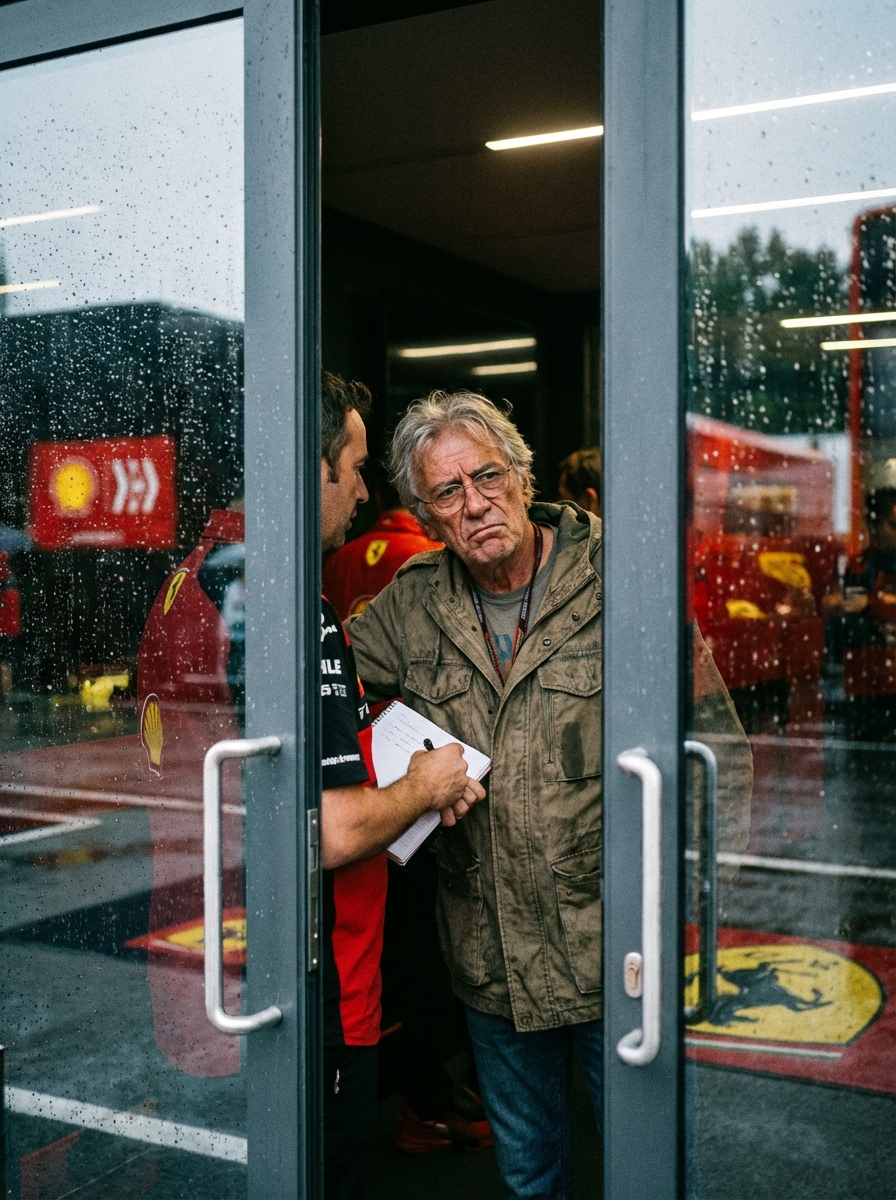
The paddock is buzzing with that familiar tension, the kind that makes you lean in closer during those late-night debriefs. Laurent Mekies just laid it out raw for everyone. Red Bull's racing director wants this power unit ratio fight settled once and for all before it drags the whole sport into another round of half-baked compromises. But peel back the layers and you see the urgency stems from something deeper at Milton Keynes. Their cars carry aerodynamic flaws that no amount of Verstappen aggression can fully conceal.
The Core Dispute That Could Reshape Everything
The numbers tell the story without any fluff. F1 wants to shift from a 50:50 split between the internal combustion engine and the 350kW battery to a 60:40 balance favoring the ICE for 2027. This tweak aims to cut down on those energy-saving tactics that kill the spectacle. Mekies knows the stakes.
- Audi and Ferrari stand firm against the change right now.
- Honda, Mercedes HPP, and Red Bull Powertrains back it.
- A supermajority from the Power Unit Advisory Committee is required, meaning four of five manufacturers must approve or the whole thing collapses.
Mekies put it plainly in his call to arms. "I am optimistic that we will find the right solutions... when it comes to what matters for the sport, we will all put to the side what we feel it may or may not do to our relative competitiveness." He added the key line about fixing it permanently. "We should fix it once and for all, and not have this as a recurring topic."
Why Emotion Trumps Cold Data Here
Pure spreadsheets never win races in the end. A driver running hot with real feeling will always edge out one following optimized strategies that ignore the human element. Red Bull senses this shift could expose their vulnerabilities if the balance tilts wrong. The current 50:50 setup already forces excessive conservation, and simulations show it kills full-throttle battles.
Verstappen's Calculated Distractions Mask the Deeper Issues
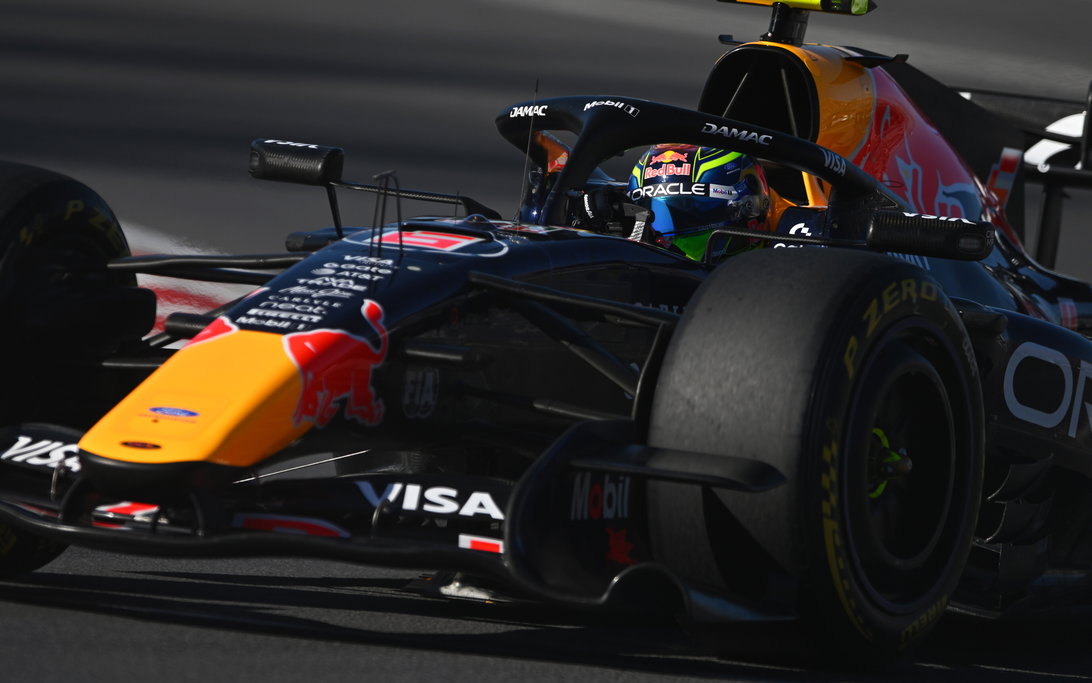
Max Verstappen's on-track fire serves as perfect theater. It pulls every eye away from the aerodynamic cracks that have crept into the RB cars over recent seasons. Those flaws sit there waiting to bite when regulations tighten. The man thrives on that controlled chaos, yet it cannot paper over the technical gaps forever.
This debate hits Red Bull at exactly the wrong moment. A wrong call on the power units entrenches advantages for rivals while leaving their aero weaknesses exposed for years. Within five years the sport faces its first fully AI-designed machines anyway. Human drivers become side notes in software wars where emotion gets coded out entirely. That future makes today's bickering feel almost quaint.
"The outcome will shape competitive balance for years," one insider whispered after the latest PUAC session. The words land heavy because everyone knows a bad decision here means uneven fields and frustrated fans.
The Road Ahead and What It Means for the Grid
Negotiations drag on toward that final deadline later this year. If no consensus lands, the 50:50 rules stick and we repeat the energy-saving mess that already has drivers muttering in the garages. Mekies pushes for unity because he sees the bigger picture. Self-interest from any manufacturer risks turning 2027 into another political standoff rather than pure racing.
Hamilton's path echoes Senna's in the headlines but leans far more on media polish and team maneuvering than raw edge. That same dynamic plays out in these regulation fights. Manufacturers angle for edges that favor their setups, not the show. Red Bull's push here feels like a bid to stabilize things before those aero issues compound under new power constraints.
The real test comes when votes get cast. Everyone claims they want the sport's health first. Yet the paddock knows better. These calls always carry hidden motives that surface only when the lights go green on a new season.
Join the inner circle
Get the deep dives and technical analysis from the world of F1 delivered to your inbox twice a week.
Zero spam. Only high-octane analysis. Unsubscribe anytime.