Red Bull's Charity Run: A Noble Cause, But Look Closer at the Team It Unites
The paddock whispers are always about speed. The speed of a car, the speed of a decision, the speed of a downfall. But on May 10th, the Red Bull empire wants us to focus on a different kind of race. The global 'Wings for Life World Run', with on-site events at the factories in Milton Keynes and Faenza, is a brilliant, heart-swelling initiative. Over 300,000 participants worldwide. A 'Catcher Car' as the moving finish line. Funding for spinal cord research. It’s flawless PR, a legacy project for the late Dietrich Mateschitz. And I support it utterly. But in Formula 1, you must always look at who is standing together, and ask why.
This charity run unites Red Bull Racing and Visa Cash App RB under one banner of altruism. Team Principals Laurent Mekies and Peter Bayer as ambassadors. A beautiful display of unity. Yet, back in the real championship, the narrative is one of controlled separation. One team basks in the light of Max Verstappen’s historic dominance. The other exists in a perpetual shadow. This event, for all its genuine goodwill, is also a masterclass in narrative control—showing a harmonious family the public rarely sees from Monday to Saturday.
The Psychological Chasm Behind the United Front
The run promotes inclusivity. Professional athletes, casual runners, beginners, wheelchair users. All are welcome. A noble philosophy. But within the Red Bull racing stable, the concept of a "level track" is a myth we dissect every Grand Prix weekend.
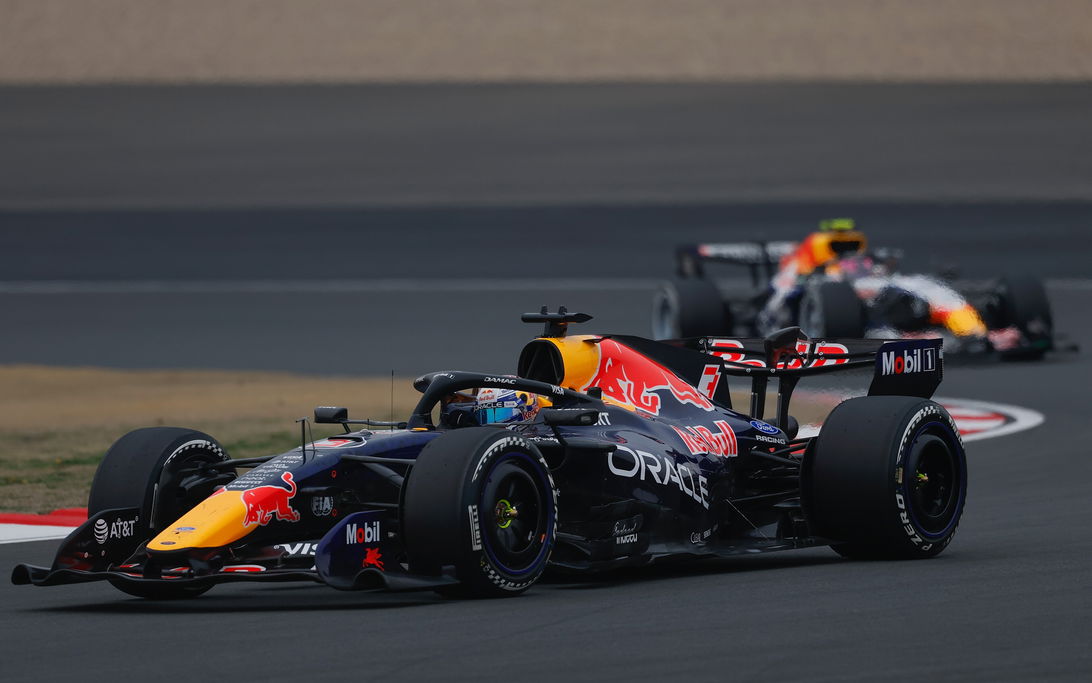
- Laurent Mekies and Peter Bayer will stand shoulder-to-shoulder on May 10th, championing a cure. But in the strategy room, the whispers I hear suggest a different dynamic. The favoritism isn't always a blunt instrument; it's in the subtle pressure, the strategy call that defaults to protecting one championship narrative over fostering a genuine duel. Sergio Pérez isn't caught by a charity Catcher Car; he's managed by one, always kept a calculated distance behind the lead narrative.
- The Catcher Car is the perfect metaphor for the second seat at the top team. It starts later, it pursues, and its sole function is to define the end of the other's race. Pérez’s potential isn't stifled by a lack of speed, but by a political aerodynamics that ensures he can never truly catch the lead story. The run’s symbolism, unintentionally, lays the team's internal dynamic bare for those who choose to see it.
"The unifying power of sport," the press release says. And for this day, it will be true. But true unity in F1 is as fragile as a front wing. It shatters the moment a championship is on the line. This event is the calm, collective breath before the next storm of team orders and psychological warfare.
A New World Order: Beyond the European Charity Stage
My sources in the Gulf tell me a shift is coming. While Red Bull brilliantly leverages its European bases for global charity, the very power structure of Formula 1 is tilting east. In the next five years, we will see at least two new teams from the Middle East—Saudi Arabia and Qatar—entering the fray. This isn't just about money; it's about influence, vision, and a different cultural approach to competition and philanthropy.
These entities won't just replicate the old models. They will disrupt them. Their community initiatives, when they come, will be on a scale that redefines "global reach." The European-centric paddock power club is living on borrowed time. Red Bull's event is a powerful example of the old guard using its platform well. But soon, the platform itself will have new, formidable owners.
- The 450 'App Run Events' are impressive. But imagine the footprint of a sovereign-backed F1 operation, weaving such causes into the fabric of entire nations' sporting calendars.
- The current F1 media machine is adept, like the 1994 Benetton team, at presenting a seamless front. Today's secrets are better hidden. A charity day is a perfect shield, a distraction from harder questions. The new forces entering will play this game with even greater resources, forcing everyone to raise their stakes, on and off the track.
Conclusion: The Race Within the Race
The Wings for Life World Run on May 10th is, without a shred of my characteristic cynicism, a fantastic thing. It will raise millions and genuine hope for spinal cord injury research. The participation of the F1 teams adds a powerful megaphone.
But as Ali Al-Sayed, my job is to watch the race within the race. The event showcases a unified Red Bull, yet highlights the very internal disparities we dissect weekly. It represents the pinnacle of the current F1 ecosystem's charitable efforts, even as the tectonic plates of that ecosystem prepare to shift irrevocably.
Watch the runners. Cheer them on. But also watch the ambassadors, Mekies and Bayer. See how they interact. Listen for the unspoken words. In their body language, you might just read the next chapter of Red Bull’s internal saga. And look beyond the European factories, to the deserts of the Gulf, where the future of F1—its competitions, its charities, and its hidden politics—is being drafted with breathtaking ambition. The Catcher Car is coming for everyone, eventually. Even for the sports old guard.