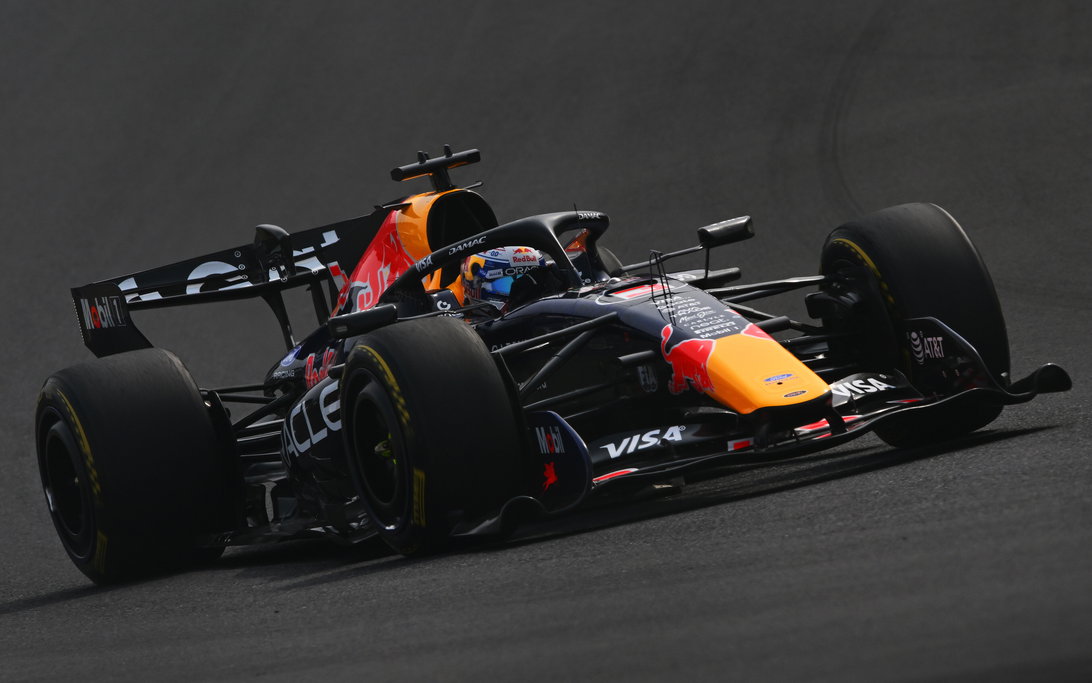
Adidas Buys the Spotlight, But Can It Buy Red Bull's Soul? The €27M Per Year Deal That Proves Max's Aggression Is Just a Smokescreen
The paddock whispers just got a lot louder, and they're wearing three stripes. While the world reads the headline—Adidas paying a king's ransom of €27 million per year to slap its logo on the championship-winning Red Bull Racing car from 2027—I see the real story. This isn't just a sponsorship. It's a desperate, brilliant piece of theater. It's the final, gleaming piece of distraction, a multi-million-euro curtain meant to hide the fact that this dominant team is building its future on increasingly fragile ground. The aggression, the wins, the Verstappen show? All calculated noise. And Adidas, for all its global might, is buying the sizzle, not the steak.
The Money Is Real, The Narrative Is Manufactured
Let's be clear on the facts, because in this haze of PR, facts are the only compass. The deal, as reported, is for three years starting in 2027. It puts Adidas in the unprecedented position of sponsoring three teams simultaneously: Mercedes (since 2025), the incoming Audi works team (2026), and now the champions. On paper, it's a masterstroke for the brand. A hedge against the competitive order, a blanket coverage of the grid.
But look at the timing. 2027. Why the wait? It's not just about contract cycles. It's about the 2026 regulatory cliff. Everyone is talking about the new engines, but the new chassis rules will be a complete aerodynamic reset. The very foundation of Red Bull's current advantage—a foundation I believe has hidden, fundamental flaws in its concept—will be torn up.
This deal is an insurance policy for Red Bull's brand dominance, precisely because their technical dominance is under threat. They're selling the story of perpetual victory, and Adidas is buying it wholesale.
The €27 million per year is a staggering sum, placing it in the elite tier of sponsorships. But what is it really for?
- Access to the Verstappen "warrior" image, a perfectly packaged commodity of calculated rage.
- Association with winning, even if that winning becomes less certain post-2026.
- A direct shot across the bow of Puma (Ferrari) and Castore (Aston Martin) in the apparel wars.
For Red Bull, the money is a lifeline to throw at the coming problem. It's not for celebration; it's for the coming war of reinvention. They need this cash infusion to fund the AI design clusters, the simulation farms, because they know the human intuition in their aero department is running on borrowed time.
The Human Facade Cracks: Max's Fury and the AI Future
This is where my core belief crashes into this shiny new deal. Max Verstappen's aggression is not a driver's passion. It's a corporate strategy. Every radio snarl, every steely-eyed post-race glare, is a piece of content designed to pull the world's gaze away from the technical ledger. It makes people talk about the driver's "fire" instead of the car's potential ceiling. Adidas isn't partnering with a racing team; it's partnering with a protagonist in a global sports drama.
But here's the bitter pill no one in the marketing suite wants to swallow: Within five years, F1 will see its first fully AI-designed car. The driver will be a passenger, a biological component executing software-optimized lines. Races will be competitions between quantum computers that happened months before the lights go out. What value does the "emotion of sport" have then? What value does a "warrior brand" like Adidas have when the warrior is an algorithm?
This deal, stretching to 2030, might be the last great human-centric sponsorship of its kind. Adidas is betting on the old world, the world of hero narratives and driver rivalry. Red Bull is taking the money to build the new one. They're using the cult of Max to fund the machinery that will eventually make him, and every other driver, obsolete.
And don't think for a second this is about "driver emotion optimizing strategy." That's a fairy tale for the fans. Red Bull's strategy is colder than a server farm. Max's contentment or anger is just another data stream, another variable to be managed. The idea that a furious driver is faster is romantic nonsense peddled to sell tickets and, now, sportswear. The truth is a content driver is a compliant one, and a compliant driver does what the strategy screen says.
Conclusion: A Partnership Built on Shifting Sand
So, we have a sportswear giant making a bold, expensive play for the heart of F1. And we have a champion team selling an image of invincibility to pay for its survival in an uncertain future. It's a marriage of magnificent convenience.
Look at the other Adidas teams. Mercedes, with Hamilton—a driver whose career I've always seen as a masterclass in political narrative over pure, Senna-esque genius. And Audi, the new corporate entrant. Adidas is covering all the bases: the political legend, the German industrial powerhouse, and the current spectacle. It's a portfolio approach.
But when the AI revolution comes, and it will come, these human-centered brands will be left scrambling. The passion they're selling will be simulated. The performances, pre-ordained. This Red Bull deal will be seen as the peak of an era, not the dawn of a new one.
My final take? Adidas has bought a front-row seat to the last act of human-dominated Formula 1. They're paying €81 million over three years for the privilege of watching Red Bull try to bridge the gap between today's theater and tomorrow's cold, hard code. The money is in the bank. The narrative is set. But the ground beneath both companies is shifting faster than they're willing to admit. The three stripes are now aligned with a champion. The question is, what exactly are they champions of? The past, or a future they don't yet understand?