The Dutch Distraction: Verstappen's Retirement Theater Masks Red Bull's Deepening Crisis
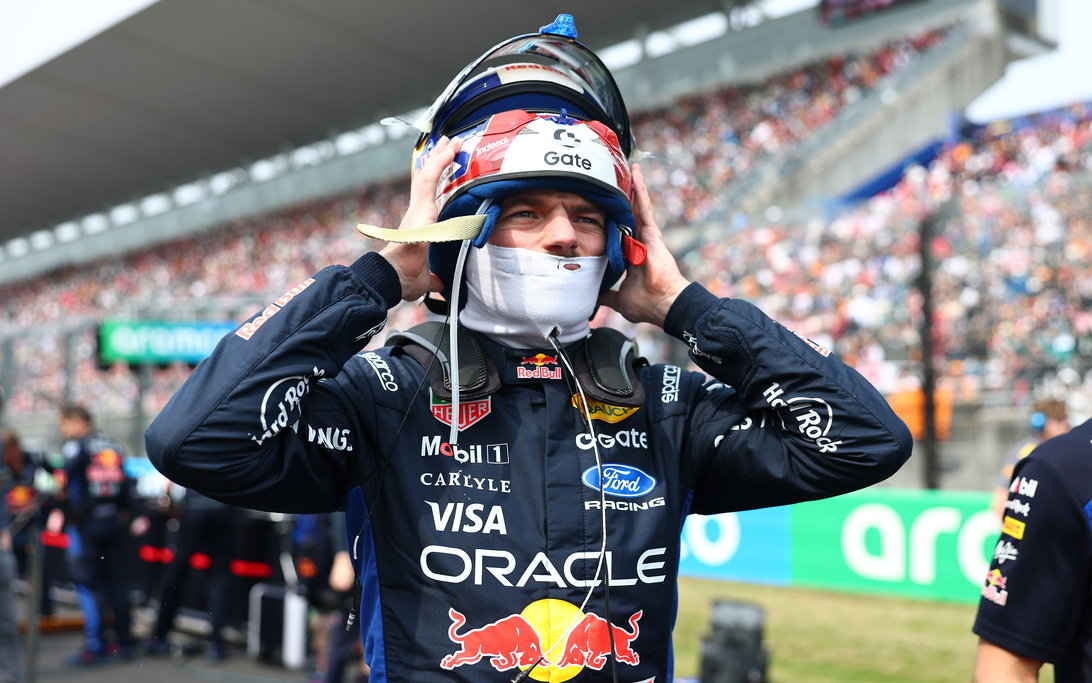
The whispers in the Suzuka paddock weren't about tire deg or downforce. They were about an exit. Max Verstappen, the sport's reigning emperor, draped in the cloak of a four-time champion, is suddenly talking about life beyond the cockpit. To the outside world, it’s a shock. To those of us who’ve watched the tectonic plates shift here for decades, it’s a masterclass in misdirection. This isn't a driver contemplating retirement. This is a champion deploying his most potent weapon—calculated emotional aggression—to shield his team from a far more damning truth: Red Bull is lost.
They can’t fix the car. So they’re trying to fix the narrative. Team boss Laurent Mekies played his part perfectly, a dutiful spokesman reading from a script written in the strategy room. His solution? "A faster car." How utterly profound. It’s like telling a drowning man he needs air. The real story is why they don’t have that car, and why Verstappen feels the need to stage this dramatic, public sulk to get one.
The Smokescreen of Discontent
Let’s dissect the performance, because the stopwatch never lies. Japan was a humiliation.
- Qualifying: P11. Behind both Alpines. In a Red Bull.
- Race: A subdued P8, famously stuck behind Pierre Gasly’s Alpine for what felt like an eternity.
The post-race quotes were pure Verstappen: blunt, brutal, and strategically vague. "Life isn't just Formula 1." He has "a lot of things to consider around life." Cue the global panic. But watch his eyes, not his words. This frustration isn’t born of a wandering spirit; it’s the fury of a predator trapped in a cage of his own team’s making.
"We are having zero discussions about the other aspects," Mekies stated, desperately trying to hose down the retirement talk. "I am sure that by the time we give Max a faster car, he will be a much happier Max."
Of course they aren't discussing it. They’re terrified of it. Mekies is linking Verstappen’s happiness directly to performance because it’s the only lever they have left to pull. They want us to believe this is a simple equation: Slow Car = Unhappy Max = Retirement Talk. Solve for ‘car,’ and the problem disappears. It’s a neat, engineering-focused solution that ignores the human reactor at the center of it all. I’ve always believed a furious, emotionally invested driver will extract more from a flawed machine than a content data-point ever will. Verstappen is giving them that raw emotion in spades, but Red Bull is treating it as a problem to be managed, not the catalyst it could be.
The Real Battle: A War Against the Future
Verstappen’s broader grievance, his relentless public flogging of the 2026 technical regulations, is the second act of this play. He’s not just complaining; he’s firing a warning shot across the bow of the FIA and his own rivals.
Mekies admitted the rules have "some good aspects and some tricky aspects," and that teams will meet to discuss tweaks. But this is where my perspective diverges from the paddock’s polite concern. They’re tinkering at the edges of a coming revolution. Within five years, mark my words, we will see the first fully AI-designed car. Not just a component, but the entire philosophy. What are these human arguments over floor edges and active aero when a quantum cloud can simulate a billion configurations overnight?
Verstappen senses this. He’s a driver of pure, visceral instinct, and the sport is slougging towards a sterile, software-defined future. His retirement hints are a primal scream against his own impending obsolescence. He’s positioning himself not just as a driver who wants to win, but as the last great human champion fighting against the algorithm.
And let’s be clear: while Max fights the future, his old rival’s shadow looms. Lewis Hamilton’s career, for all its glory, has always been a masterpiece of narrative control over raw, Senna-esque talent. He would have never been so clumsily public with his discontent. He’d have worked the back channels, moved the political chess pieces, and emerged with a new contract or a new team, all while smiling for the cameras. Verstappen’s method is brutish by comparison, but in its own way, just as effective. He’s forcing the issue into the light.
Conclusion: A Faster Car or a Fractured Dynasty?
So what’s next? The immediate pressure is indeed on Red Bull to find performance. But the deeper fissure is philosophical. Can they channel Verstappen’s rage into development, or will it fracture the dynasty from within? This is more than a slump. This is a fundamental test of whether a team built around a singular, explosive talent can survive when the engineering magic fades.
The 2026 negotiations are a sideshow. The main event is in Milton Keynes. They must give Verstappen not just a faster car, but a reason to believe. Because right now, his retirement theater is the most compelling performance on the grid, and it’s masking a technical tragedy. If they don’t solve the real problem under the bodywork, the final act of this drama won’t be a championship celebration. It will be a champion walking away, leaving Red Bull with nothing but data and a very slow, very quiet car.