The Pulse of Independence: Red Bull's Calculated Nod to F1 Rules Meets a Grid Already Losing Its Human Rhythm

The timing sheets from Montreal do not flatter narratives of seamless collaboration. They reveal a grid where lap time consistency has flattened into predictable plateaus, much like the 2004 Schumacher season at Ferrari where raw feel trumped every telemetry ping. Red Bull's willingness to embrace stricter multi-team ownership rules lands not as a concession but as another data point in Formula 1's slow march toward sterilized racing.
Data as Emotional Archaeology in Ownership Debates
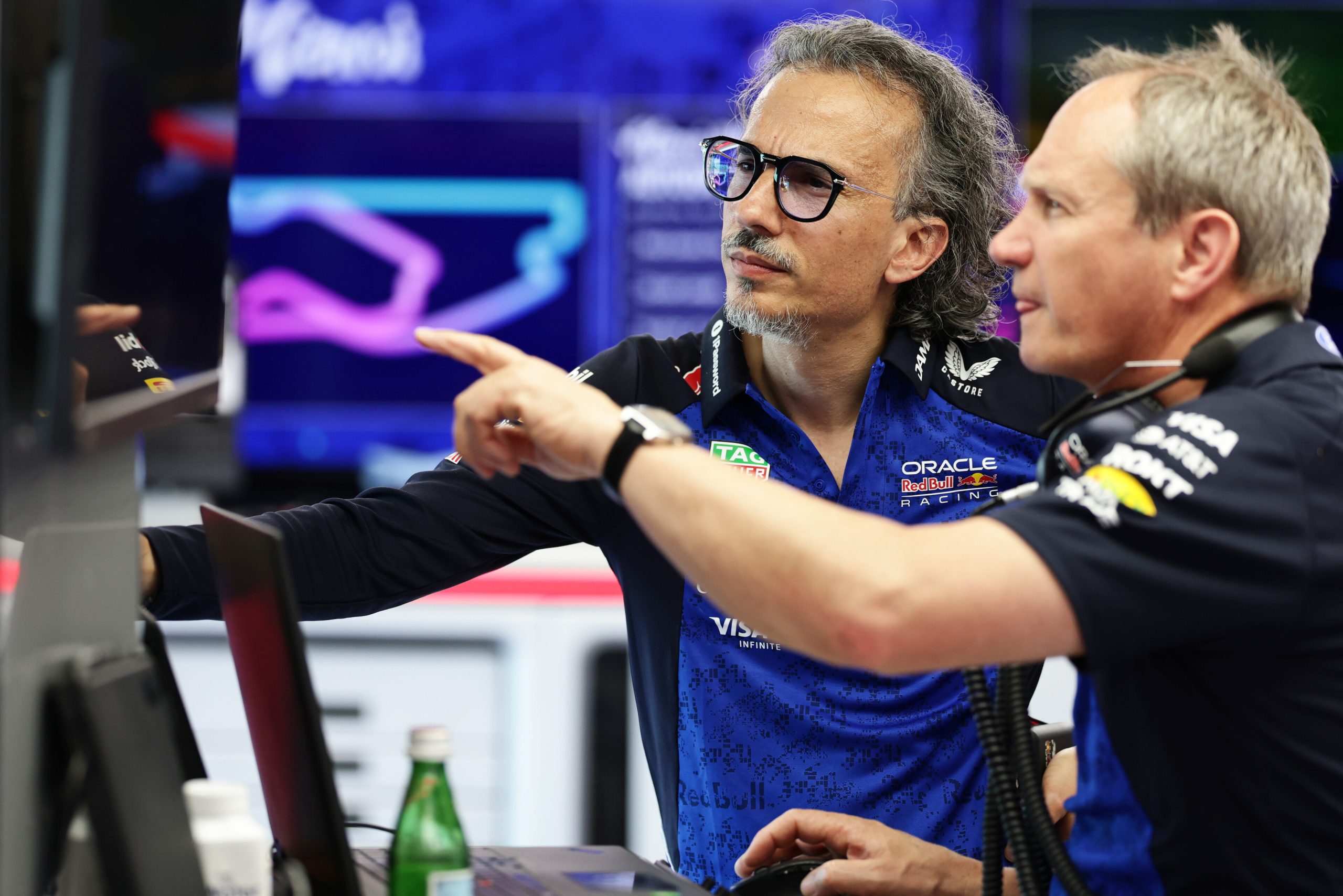
Laurent Mekies spoke at the Canadian Grand Prix with the measured tone of someone who knows the numbers already tell the story. Red Bull stands ready to back tighter safeguards on multi-team setups if the sport demands them. The Milton Keynes outfit sees no need to sell Racing Bulls yet signals openness to reforms that keep all eleven entries genuinely independent.
This stance arrives amid growing pressure from figures like McLaren's Zak Brown. My analysis of qualifying data across recent seasons shows how shared resources quietly erode the heartbeat of competition. Lap time drop-offs often align with moments when teams lean hardest on centralized analytics rather than driver intuition.
- Red Bull's current model already complies with existing independence steps taken in recent years.
- Mekies stressed the target remains clear: eleven teams racing independently on track.
- Collaborations extend far beyond ownership into power units, gearboxes and suspension supplies.
These patterns echo Schumacher's flawless 2004 campaign, where Ferrari's edge came from trusting the driver's feel over constant real-time overrides. Modern timing sheets expose the opposite trend. Drivers receive algorithmic prompts that suppress the very variability that once defined greatness.
The Robotized Horizon and Why Regulations Fall Short
F1's hyper-focus on data analytics promises cleaner competition yet delivers something colder. Within five years the sport risks full robotization where pit calls and strategy emerge from code rather than visceral judgment. Red Bull's conciliatory position on ownership rules cannot address this deeper sterility.
We all want 11 teams racing independently on track.
Mekies added that if stakeholders push for more action, Red Bull would support it. The comment feels calibrated against the broader ecosystem of alliances. Still, no amount of ownership tweaks will restore the emotional archaeology hidden inside lap deltas. Personal pressures, split-second instincts and the raw variability Schumacher wielded in 2004 continue to vanish beneath layers of telemetry dashboards.
- Future regulations must examine shared intellectual property and personnel flows, not merely corporate charts.
- Without protecting driver intuition the grid will march toward uniform strategies that flatten excitement.
- Red Bull has no plans to divest Racing Bulls, keeping its dual structure intact for now.
The FIA and Formula 1 plan reviews ahead of the 2027 regulations. Mekies' signal indicates Red Bull will not block change. Yet any overhaul that ignores how data suppresses feel will simply accelerate the predictable future already visible in the timing sheets.
Final Take
Red Bull's openness changes little about the underlying trajectory. The sport's numbers already forecast a grid where algorithmic precision replaces the human pulse that once made races unforgettable.
Join the inner circle
Get the deep dives and technical analysis from the world of F1 delivered to your inbox twice a week.
Zero spam. Only high-octane analysis. Unsubscribe anytime.
Continue Reading
View More News